Dane zweryfikowane przez Bookimed na November 2026, na podstawie zapytań pacjentów i oficjalnych wycen z 30 klinik na całym świecie. Koszty mediany opierają się na rzeczywistych fakturach (2025–2026) i są aktualizowane co miesiąc. Rzeczywiste ceny mogą się różnić.
Państwa korzyści i gwarancje z Bookimed
Bezpośrednie ceny od klinik i elastyczne raty
Państwo nie płacą za usługi Bookimed. Ceny na terapię komórkami car-t na stronie odpowiadają cennikowi kliniki. Płatność dokonywana jest bezpośrednio w klinice po przyjeździe. Dostępna jest płatność w ratach.
Tylko zweryfikowane kliniki i lekarze
Bookimed dba o Państwa bezpieczeństwo. Współpracujemy tylko z klinikami spełniającymi wysokie międzynarodowe standardy w przeprowadzaniu terapii komórkami CAR-T. Posiadają one wymagane licencje do obsługi pacjentów międzynarodowych na całym świecie.
Bezpłatne wsparcie 24/7
Bookimed oferuje bezpłatną pomoc i wsparcie. Osobisty koordynator medyczny pozostaje w kontakcie przed, w trakcie i po podróży. Nie będą Państwo sami w innym kraju podczas procedury Terapia komórkami CAR-T.
Dlaczego właśnie my?
Wasz osobisty lekarz-koordynator Bookimed
Zapewnia wsparcie na wszystkich etapach
Pomaga wybrać odpowiednią klinikę i lekarza
Zapewnia szybki i wygodny dostęp do informacji
Ekskluzywne oferty w terapii komórkami CAR-T na listopad 2026 roku
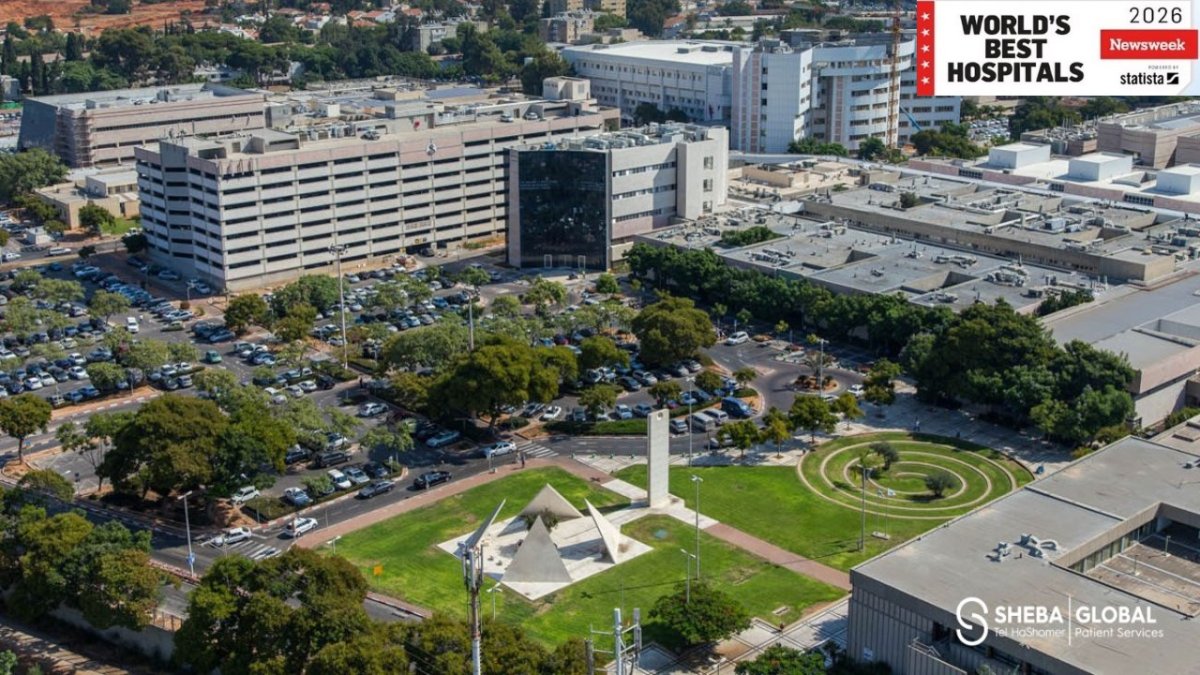
Własny zakład Sheba spełniający standardy GMP produkuje komórki CAR T, a czas od pobrania komórek do ich podania wynosi 10–11 dni. Etap chemioterapii i hospitalizacji może kosztować około 56 500 USD, w tym infuzja, monitorowanie i do 21 dni pobytu w szpitalu. W ramach programu leczono ponad 500 pacjentów komórkami CAR T. Prof. Arnon Nagler, prezes Centrum Hemato-Onkologii, kieruje jego programem badawczym. Sheba posiada akredytację JCI i zajęła 7. miejsce na świecie w rankingu szpitali Newsweeka na 2026 rok.
Profesor Omur Gokmen Sevindik, który ukończył specjalizację z hematologii w Mayo Clinic, kieruje tym procesem leczenia. Koszt pakietu wynosi około 200 000 $. Cena obejmuje pełny 28-dniowy cykl pobytu w szpitalu, wyżywienie oraz zakwaterowanie dla jednego opiekuna w posiadającym akredytację JCI Szpitalu Florence Nightingale w Stambule. Ten certyfikowany przez TÜV Hessen „inteligentny” szpital zapewnia dedykowaną opiekę pielęgniarską i wsparcie wielojęzyczne. Po wypisaniu ze szpitala pacjenci powinni zaplanować pobyt w Stambule przez co najmniej dwa miesiące w celu monitorowania stanu zdrowia.
Pakiet ten zapewnia spersonalizowane dawkowanie komórek CAR-T, dostosowane do stopnia zaawansowania choroby pacjenta. Całym procesem leczenia w szpitalu Medical Park Bahcelievler kieruje profesor Ceyhun Bozkurt, ekspert w dziedzinie dziecięcych chorób krwi oraz członek organizacji SIOP/EBMT. Przybliżony koszt w wysokości 300 000 $ obejmuje 28-dniowy pobyt w szpitalu w salach z kontrolą zakażeń i całodobowym monitorowaniem. Komórki CAR-T są wytwarzane w laboratorium Acıbadem Labcell z certyfikatem GMP, co gwarantuje bezpieczeństwo terapii. Opcja terapii pomostowej (bridge therapy) pozwala na stały nadzór medyczny przed rozpoczęciem infuzji, jeśli jest to wymagane.
Dowiedźcie się o najlepszych klinikach wykonujących terapię komórkami CAR-T: 17 zweryfikowanych klinik i ceny
Ranking klinik Bookimed opiera się na algorytmach data science. Jego podstawą są takie kryteria: liczba zapytań od pacjentów, opinie (pozytywne i negatywne), aktualność cen i opcji leczenia, szybkość odpowiedzi kliniki oraz posiadanie certyfikatów.
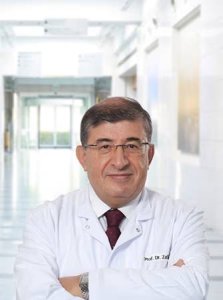
Dr Zafer Gulbas założył i kieruje największym w Turcji Centrum Przeszczepiania Szpiku Kostnego w Anadolu Medical Center. Jest hematologiem-onkologiem specjalizującym się w złożonych nowotworach krwi i zaburzeniach krzepnięcia. Dr Gulbas szkolił się w czołowych światowych instytucjach, w tym w MD Anderson i Fred Hutchinson w USA. Wykonuje przeszczepy autologiczne i allogeniczne w przypadku białaczki, chłoniaka i niedokrwistości aplastycznej.
Osiągnął 81% wskaźnik sukcesu w przypadku autologicznych przeszczepów szpiku kostnego.
Nadzorował ponad 3000 udanych zabiegów przeszczepiania od 2010 roku.
Autor ponad 260 publikacji naukowych z ponad 5000 cytowań w dziedzinie hematologii.
Członek Europejskiego Towarzystwa Hematologicznego i Amerykańskiego Towarzystwa Hematologicznego.
Dr Arnon Nagler jest hematologiem w Centrum Medycznym Sheba w Izraelu. Jest profesorem na Uniwersytecie w Tel Awiwie i uznanym ekspertem w dziedzinie przeszczepów. Dr Nagler założył pierwszy w Izraelu publiczny bank krwi pępowinowej. Przeprowadził również pierwsze w kraju przeszczepy krwi pępowinowej. Ukończył staż podoktorski na Uniwersytecie Stanforda i posiada certyfikat specjalisty w dziedzinie hematologii.
Pionier protokołów przeszczepów allogenicznych o zmniejszonej intensywności w nowotworach krwi.
Pełnił funkcję przewodniczącego grupy roboczej ds. ostrej białaczki w EBMT.
Opublikował ponad 400 artykułów w wiodących czasopismach, takich jak Blood i Leukemia.
Pracuje w Centrum Medycznym Sheba, które w 2026 roku zajęło 7. miejsce na świecie według Newsweeka.
Dr Omur Gokmen Sevindik jest hematologiem w szpitalu Istanbul Florence Nightingale. Odbył staż w Mayo Clinic, czołowym centrum medycznym w USA. Dr Sevindik specjalizuje się w leczeniu nowotworów krwi, takich jak białaczka i chłoniak. Pracuje w placówce akredytowanej przez JCI, która rocznie przyjmuje 300 000 pacjentów.
Wykonuje przeszczepy komórek macierzystych allogeniczne i haploidentyczne.
Autor 18 artykułów w międzynarodowych czasopismach recenzowanych.
Prezentował wyniki badań na ponad 25 międzynarodowych konferencjach naukowych.
Leczy złożone schorzenia, w tym szpiczaka, niedokrwistość aplastyczną i małopłytkowość.
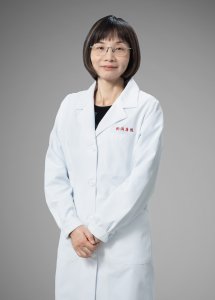
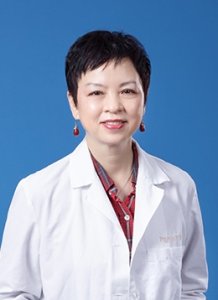
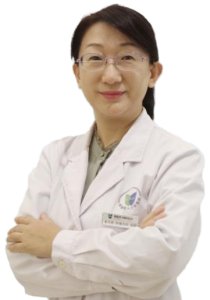
Dr Luan Tianyan, MD, jest ordynatorem oddziału onkologii. Został zrekrutowany do prowincji Hajnan jako wysokiej klasy specjalista. Jest wizytującym naukowcem w Dana-Farber Cancer Institute (USA). Pełni również funkcję dyrektora Biura Badań Klinicznych w Bozheng Hengda International Hospital. Jest członkiem stałych komitetów Komitetu Zarządzania Badaniami Klinicznymi (Southern Oncology Clinical Research Association), Komitetu ds. Immunoterapii (Hainan Provincial Anti-Cancer Association) oraz Komitetu ds. Badań nad Lekami prowincji Hajnan.
Posiada ponad 20-letnie doświadczenie w praktyce onkologicznej. Zapewnia zindywidualizowaną, kompleksową opiekę w przypadku nowotworów przewodu pokarmowego, raka płuc i raka piersi. Koncentruje się na leczeniu bólu, opiece paliatywnej i wsparciu psychologicznym w zaawansowanych stadiach nowotworów. Zajmuje się również klinicznym zastosowaniem i badaniem immunoterapii nowotworów, w tym spersonalizowanych szczepionek mRNA i terapii CAR-T. Opracowuje i stosuje autorskie leki oraz powiązane technologie.
Opinie o Bookimed: poznać prawdziwe doświadczenia pacjentów
Certyfikowany autor tekstów medycznych z ponad 10-letnim doświadczeniem, odpowiada za wiarygodność treści Bookimed. Posiada tytuł magistra filologii, przeprowadzała wywiady z ekspertami światowymi.
Lekarz ogólny, laureat 4 konkursów prac naukowych młodych naukowców. Pracował na Bliskim Wschodzie. Były kierownik zespołu anglojęzycznych i arabskojęzycznych lekarzy-koordynatorów. Obecnie zajmuje się analizą danych i jest redaktorem medycznym strony.
Na tej stronie mogą być prezentowane informacje dotyczące różnych chorób, metod leczenia oraz usług medycznych dostępnych w różnych krajach. Proszę zauważyć, że treści mają charakter wyłącznie informacyjny i nie powinny być traktowane jako porada medyczna ani wytyczne. Proszę skonsultować się z lekarzem lub wykwalifikowanym pracownikiem medycznym przed rozpoczęciem lub zmianą leczenia.
Wszystko, co trzeba wiedzieć o Terapia komórkami CAR-T
What Is CAR T-cell Therapy?
CAR T-cell therapy, or chimeric antigen receptor T-cell therapy, is an immunotherapy that uses genetically altered T cells to target and destroy cancer cells. This treatment is FDA-approved to treat several types of blood cancer, including acute lymphoblastic leukemia and diffuse large B-cell lymphoma.
CAR T-cell infusion combines three types of therapy:
Cell therapy;
Immunotherapy;
Gene therapy.
The leukapheresis process, where white blood cells are harvested, is a critical step in therapy preparation.
The studies show 60% of patients with B-cell lymphoma go into remission for at least 5 years. That’s why CAR T cell therapy is a “living drug” that has a long-term effect on destroying cancer cells.
The process begins with the collection of the patient’s T cells, a type of white blood cell that plays a crucial role in the immune response. Once the T cells are modified, they are expanded in number and reinfused into the patient’s bloodstream.
The CAR allows these engineered T cells to identify and attach to cancer cells, marking them for destruction. This targeted approach ensures that the immune system can effectively attack cancer cells while minimizing damage to healthy cells.
CAR T cell therapies work by:
Identifying and targeting specific cancer cells;
Activating the immune system to attack cancer cells;
Enhancing the body’s natural ability to fight cancer;
Providing a personalized treatment approach.
Who Is a Candidate for CAR T-cell Therapy?
CAR T-cell therapy is not a one-size-fits-all treatment. It's typically considered for patients with specific types of cancer, including:
Relapsed or refractory Acute Lymphoblastic Leukemia (ALL). The patients whose leukemia has returned after initial treatment or hasn't responded to existing therapies.
Relapsed or refractory Diffuse Large B-cell Lymphoma (DLBCL). The patients with a specific type of aggressive lymphoma that has recurred or failed to respond to other treatments.
Multiple Myeloma. CAR T-cell therapy for multiple myeloma shows great results in destroying damaged bone marrow cells.
Follicular Lymphoma. The patients with affected lymph nodes develop small, round nodules called follicles.
Refractory mantle cell lymphoma. The patients with a subtype of B-cell non-Hodgkin lymphoma who suffer from lymph node enlargement and don't respond to traditional chemotherapy.
Other types of blood cancers. Research is ongoing to explore CAR T-cell therapy's effectiveness in treating other blood cancers and potentially some solid tumors.
What Factors Have an Impact on Patient's Potential?
Here's the list of standpoints that make a patient more or less suitable for undergoing CAR T-cell treatment:
Age and overall health. Younger patients with a more robust immune system are better candidates.
Specific cancer type. T-cell therapy is most effective for certain cancer types (leukemia and lymphoma).
Prior treatments. Patients who haven't responded well to other treatments may be suitable candidates.
What Are the Safety Concerns Associated with CAR T-cell Treatment?
While CAR T-cell therapy offers promising results, there are potential safety concerns, including:
Cytokine Release Syndrome (CRS) is a common side effect (42-100% of patients), which includes fever, chills, fatigue, and difficulty breathing. It usually occurs within a few days of receiving the CAR T-cells and can be managed with medication (antipyretics or corticosteroids for advanced cases).
Immune Effector Cell-Associated Neurotoxicity Syndrome (ICANS) is a less common (3-64% occurrence rate) but more serious side effect affecting the nervous system. It may cause confusion, tremors, headaches, and difficulty speaking.
Tumor lysis syndrome (TLS) occurs when large numbers of cancer cells are rapidly destroyed, leading to electrolyte imbalances and kidney problems.
Risk of infection. Due to the suppression of the immune system during treatment, patients are more susceptible to infections.
What Are the Differences Between CAR-T Cell Therapies and Other Immunotherapy Treatments?
There are several key differences between CAR T-cell therapy and other immunotherapy approaches (such as targeted therapy and monoclonal antibodies):
Feature
CAR T-cell Therapy
Other Immunotherapies
Mechanism of Action
Genetically modified T-cells target specific antigens on cancer cells.
Stimulates the body's immune system to recognize and attack cancer broadly.
Specificity
Highly targeted towards particular cancer cells.
It can have a broader effect on the immune system.
Customization
Personalized treatment using the patient's T-cells.
Not personalized.
Administration
Requires complex procedures for T-cell extraction, modification, and reinfusion.
It can be administered through injections or infusions.
The other table shows precise differences between CAR T-cell therapy and the most common cancer treatments.
Feature
CAR T-cell Therapy
Chemotherapy
Stem Cell Transplant
Target cells
ONLY tumor cells.
ALL the cells that are rapidly dividing (including healthy tissues).
Not defined.
Type of cells
Patient’s OWN immune cells.
Not defined.
Donor’s cells.
What Are the CAR T-Cell Therapy Side Effects?
CAR T therapy is a one-time treatment. Once the CAR T cells are back in the body, they can fight cancer immediately.
Despite the safety concerns mentioned earlier, CAR T-cell therapy can cause other side effects, including:
Fatigue;
Nausea and vomiting;
Low blood counts;
Fever;
Hair loss;
Mouth sores.
These side effects are usually temporary and manageable.
What to Expect Before, During, and After Treatment?
Before receiving CAR T-cell therapy, patients may undergo a conditioning regimen of lymphodepleting chemotherapy (which reduces the number of damaged lymphocytes). This preparatory step aims to reduce the presence of existing immune cells, thereby minimizing the risk of the body rejecting the infused CAR T cells.
The administration of CAR T cells involves a relatively straightforward procedure. The engineered cells are infused intravenously, similar to receiving blood, and the process typically takes between 5 and 30 minutes.
Following CAR T-cell therapy, patients often require hospitalization for 7 to 10 days to allow for close monitoring and management.
Do Patients Still Need Stem Cell Transplants After CAR T-Cell Therapy?
Allogenic stem cell transplant (allo-HCT) is a standard treatment for B-cell lymphomas, but it often doesn't work for long. Patients may have relapses even after the transplant. As a type of immune cell therapy, CAR T-cell treatment for cancer can be combined with allo-HCT to speed up the remission.
The studies show that patients with CAR T-cell therapy alone lived for an average of 10.5 months. On the contrary, those who had transplantation after the T-cell treatment had an average survival of 70.2 months. This is an excellent example of how combining cancer treatments improves patient outcomes.
Stem cell transplantation is also an option for the following cases:
When lymphoma/multiple myeloma doesn't respond to CAR T-cell therapy;
When the initial disease relapses multiple times;
After the previous stem cell transplantation.
What Are the Top Hospitals Offering CAR T-Cell Therapy?
Bookimed has selected the top CAR T-cell centers using our Smart Ranking System. This system considers various factors, such as:
Doctor's experience;
Success rates;
Technological advancements;
Patient satisfaction.
By leveraging this data-driven approach, we ensure our patients can access the most effective and cutting-edge treatments available. The choice is always yours, and we highly recommend consulting with our medical coordinators before signing up for the treatment.
Here's the list of the best hospitals where is car t-cell therapy available:
The Hematology Institute is a leading CAR T-cell therapy clinic in Israel. Their experts have much experience treating patients with CAR T-cells and managing any side effects. The center has a 90% success rate in oncology clinical trials and treatments.
Dr. Ron Ram is one of the best hematology/oncology department specialists. He has performed numerous stem cell transplants and contributed to chimeric cancer treatment.
The Ichilov was also the first CAR T hospital in Israel to get government approval.
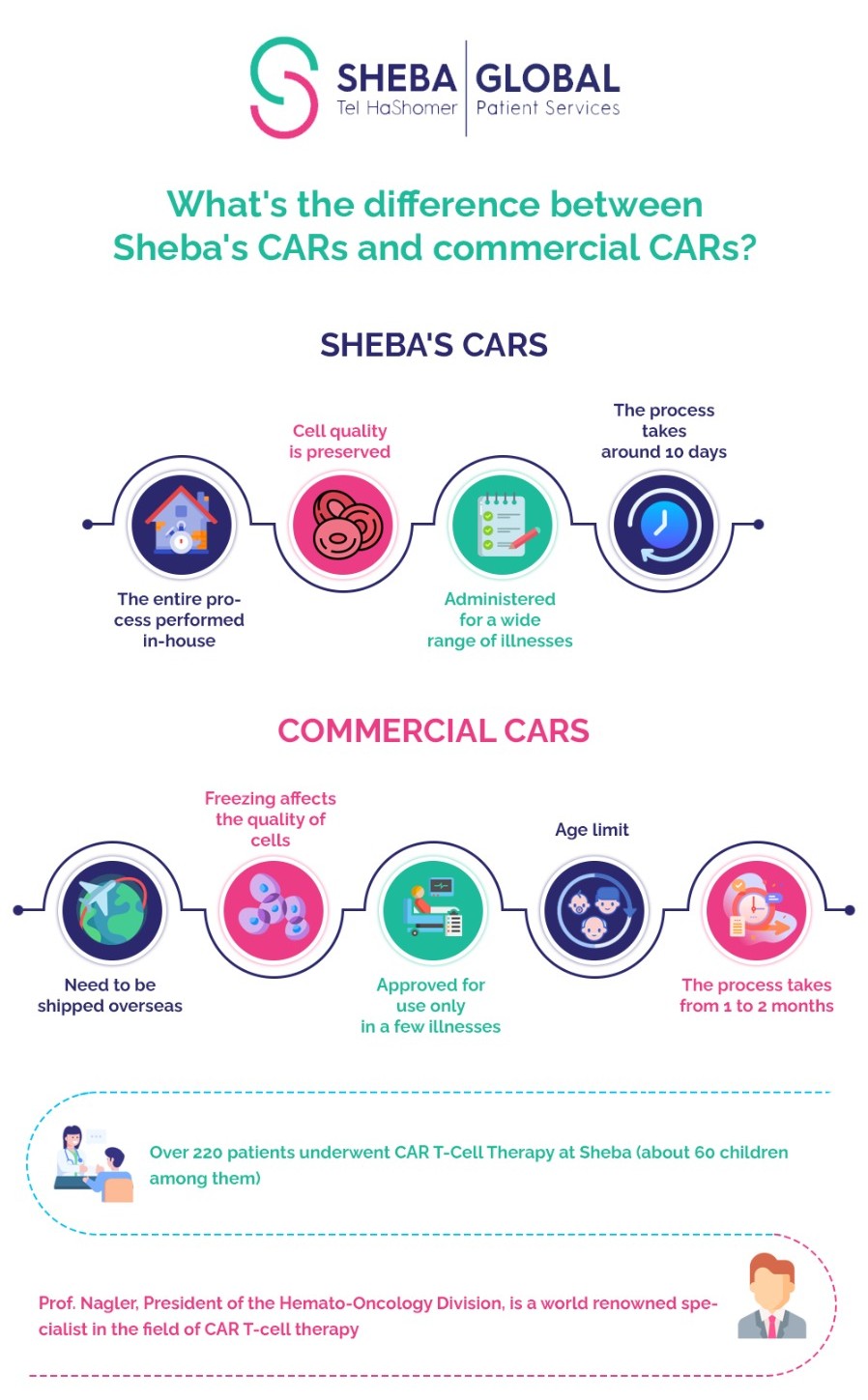
Sheba Medical Center is an example of how large academic hospitals are developing CAR T-cell therapy through integrated clinical and laboratory programs. The hospital has performed 450+ CAR-T procedures for patients with leukemia, lymphoma, multiple myeloma, and other relapsed or refractory blood cancers.
A key feature of Sheba’s program is in-house CAR-T manufacturing. The hospital produces CAR-T cells onsite through its GMP-certified Advanced Biotherapy Center (ABC), rather than relying only on external commercial production. This model can shorten the “vein-to-vein” timeline — from T-cell collection to reinfusion — to approximately 10 days.
Sheba’s cellular therapy program is also connected with bone marrow transplantation, pediatric hemato-oncology, precision oncology, bispecific antibody therapy, and TIL therapy for metastatic melanoma. The center is also involved in research on CAR-T approaches for severe autoimmune diseases, including lupus, rheumatoid arthritis, Sjögren’s syndrome, vasculitis, and scleroderma.
The head of the oncology department, Dr. Guo Li Gai, has studied thousands of CAR T-cell therapy for non-Hodgkin lymphoma cases to administer effective CAR T-cell therapy for his patients.
The hospital's oncology department works closely with the Mayo Clinic. The doctors use a system called MICM to make accurate cancer diagnoses. Here's what they evaluate:
Shape of cells (morphology);
Specific substances (immunology);
Chromosomes (cytogenetics);
DNA of cells (molecular science).
Besides collecting stem cells, the local laboratory also separates and cryopreserves their components for later use. This can benefit urgent cases for patients in the last stages of cancer.
Sant Joan de Déu is known for its technological advances and discoveries. The specialists here were the first in Spain to develop a vaccine against tumors of the brain and medulla, as well as a nanofiber tissue for local cancer treatment.
The cell therapy center accepts children and young adults up to 21 years old. It has the best conditions for both bone marrow transplantation and CAR T-cell therapy. The cancer center has 4 boxes with HEPA filters and positive pressure for transplant-eligible patients.
Is CAR T-Cell Therapy Suitable for Solid Tumors?
While CAR T-cell therapies have shown significant success in treating blood cancers, their application in solid tumors (such as sarcomas, carcinomas, and lymphomas) presents unique challenges.
Solid tumors have a complex microenvironment that can hinder CAR T cells from effectively reaching and attacking the tumor site. This has made it difficult to achieve the same level of success seen in blood cancers.
However, researchers are actively exploring new strategies to overcome these obstacles, including:
Developing CAR T cells that can target specific proteins on solid tumor cells;
Using CAR T-cell therapies in combination with other treatment methods to enhance their effectiveness;
Investigating the use of CAR T cells in combination with other treatments, such as checkpoint inhibitors or chemotherapy.
CAR T-cell therapy has the potential to help many patients with solid tumors. More research is needed to learn how it works and find new ways to use it.
How Can Bookimed Help You Find the Best Hospital for CAR T-Cell Therapy?
Finding the right center for CAR T-cell therapy can be challenging. Bookimed coordinators will be happy to assist you with:
Applying to reputable hospitals. Our medical partners have well-trained staff and expertise in CAR T-cell therapy programs.
Transparent cost estimates. We will calculate all the potential costs associated with treatment abroad.
Travel arrangements. We will arrange flights, accommodation, and local transportation.
Language assistance. Our coordinators will provide translation services to ease your treatment journey.
References
CAR-T after Stem Cell Transplantation in B-Cell Lymphoproliferative Disorders: Are They Really Autologous or Allogenic Cell Therapies?. PubMed Central (PMC). URL: https://www.ncbi.nlm.nih.gov/pmc/articles/PMC8470158/ (date of access: 23.09.2024).
CART Cell Therapy Toxicity - StatPearls - NCBI Bookshelf. National Center for Biotechnology Information. URL: https://www.ncbi.nlm.nih.gov/books/NBK592426/ (date of access: 23.09.2024).