Na stronę główną
Oświadczenie reklamodawcy

Discover the Best Clinics and Costs for Ubytek przegrody międzykomorowej treatment in 2026

Najlepsze kraje do leczenia Ubytek przegrody międzykomorowej na świecie to Turcja, Niemcy i Hiszpania — na podstawie 156 zapytań pacjentów i 64 zweryfikowanych klinik w ponad 50 krajach. Te kierunki oferują najlepszy balans jakości leczenia, doświadczenia specjalistów i przystępności cenowej, z cenami nawet do 92% niższymi niż w USA.

Oszczędź do

92%

w porównaniu do średnich cen w Wielkiej Brytanii lub USA

Dane z 64 zweryfikowanych klinik w 30 krajach
Kierownik działu marketingu treści

Jak to działa

Zmieniliśmy proces wyszukiwania kliniki, czyniąc go prostym, szybkim i spersonalizowanym.
Proszę odpowiedzieć na kilka pytańProszę wypełnić krótki formularz, aby opowiedzieć nam o swoim stanie zdrowia i potrzebach medycznych.
Proszę otrzymać spersonalizowane oferty3 kliniki, wybrane na podstawie Państwa odpowiedzi, przedstawią spersonalizowane programy i ceny.
Proszę wybrać najlepszą opcjęProszę porównać oferty i wybrać klinikę, która najbardziej Państwu odpowiada.
Mogą Państwo również przejrzeć wszystkie 64 kliniki poniżej.

Jaka jest cena procedur diagnostycznych i leczenia ubytku przegrody międzykomorowej? Proszę dowiedzieć się teraz

Średnia cena diagnostyki i leczenia ubytku przegrody międzykomorowej wynosi $31,036, minimalna — $16,410, maksymalna — $58,118.
Dane zweryfikowane przez Bookimed na May 2026, na podstawie zapytań pacjentów i oficjalnych wycen z 64 klinik na całym świecie. Koszty mediany opierają się na rzeczywistych fakturach (2025–2026) i są aktualizowane co miesiąc. Rzeczywiste ceny mogą się różnić.

Turcja: Najlepszy kraj do leczenia Ubytek przegrody międzykomorowej na świecie – od $8,000

Turkey leads in ventricular septal defect care by combining high-volume surgical expertise with elite infrastructure. Top centers report success rates between 95% and 98% for VSD closures. Patients access specialized pediatric cardiac teams that handle thousands of congenital heart procedures using the latest minimally invasive techniques.

  • Surgical expertise: Prof. Emin Tireli has performed 6,320+ congenital cardiac surgeries in Turkish hospitals.
  • Safety standards: Turkey maintains the second-highest global concentration of JCI-accredited medical facilities.
  • Rapid access: Families benefit from short wait times, often securing surgery within weeks.
  • Specialized infrastructure: Centers like Istanbul Florence Nightingale feature smart hospital designs and air ambulances.

Bookimed Expert Insight: Turkish cardiology centers offer a significant advantage through integrated pediatric infrastructure. Large groups like Medical Park operate 17+ buildings with 6,600+ beds, ensuring specialized pediatric ICUs are never overcrowded. This scale allows surgeons to prioritize minimally invasive transcatheter closures, which typically require only a 2-day hospital stay.

What patients say: Families describe the experience as receiving care from people who feel like family. They note the hospitals are remarkably clean and modern compared to expectations. Parents often mention how smoothly everything goes, including the support from English-speaking staff throughout the recovery.

Florence Nightingale Hospital

Niemcy: Najlepszy kraj do leczenia Ubytek przegrody międzykomorowej – od $45,000

Germany serves as a primary hub for ventricular septal defect treatment. Top specialized centers like Deutsches Herzzentrum Berlin perform 5,700+ cardiac operations annually. Board-certified surgeons manage complex congenital heart repairs using refined surgical and hybrid catheter techniques. This clinical volume supports high success rates for pediatric and adult patients.

  • Specialized expertise: Dr. Felix Berger brings 30+ years of experience in pediatric cardiology and congenital heart disease.
  • Hospital scale: Major facilities like Charité - Universitätsmedizin Berlin treat over 840,000 patients every year.
  • Recognized quality: Focus magazine and Newsweek consistently rank German heart centers among the world's best.
  • Surgical precision: Interventricular septal defect surgery in Germany costs from Cena na zapytanie to $95,000 at leading clinics.

Bookimed Expert Insight: German heart centers often group pediatric and adult congenital care in one facility. This allows for lifelong follow-up without changing doctors or hospitals as patients mature. Specialized clinics in Berlin and Hamburg concentrate the highest density of certified cardiac surgeons.

What patients say: Parents note that VSD closures here feel like a standard procedure rather than a crisis. They describe kids playing within a week and admire the calm, high-tech hospital environment. Many mention that nurses explain every step clearly, which provides immense emotional relief during recovery.

Hiszpania: Najlepszy kraj do leczenia Ubytek przegrody międzykomorowej – od $30,000

Spain is a top destination for ventricular septal defect treatment. Specialized centers in Madrid and Barcelona report survival rates of 98.8% for pediatric heart care. Patients benefit from a 95% efficacy rate for septal defect repairs. Expert surgeons perform complex neonatal interventions using minimally invasive techniques.

  • Surgical success: Pediatric units in Barcelona maintain survival rates of 98.8% for congenital heart defect repairs.
  • Specialist expertise: Surgeons like Dr. Fernando Villagrá have 40+ years experience with international training at Mayo Clinic.
  • High-volume centers: SJD Barcelona Children's Hospital serves 450,000+ patients annually as a top European pediatric center.
  • Accredited quality: Leading facilities like Centro Médico Teknon hold JCI accreditation for meeting global safety standards.

Bookimed Expert Insight: Spain's top heart centers, such as Hospital Ruber Internacional and HM Madrid, operate with massive patient volumes. These private facilities often bypass long public waiting lists. Patients can typically schedule cardiac surgery within weeks rather than months by choosing these established private routes.

What patients say: Parents note that Spanish cardiac teams have strong international reputations for handling complex pediatric cases. Families mention that while pre-surgery explanations are brief, the post-operative monitoring and long-term echocardiogram follow-ups are highly reliable. Patients emphasize that choosing private hospitals in Madrid or Barcelona ensures much faster access to surgery.

Polska: Najlepszy kraj do leczenia Ubytek przegrody międzykomorowej – od $18,000

Poland excels in Ventricular Septal Defect (VSD) treatment, with top institutions like the American Heart of Poland Hospitals and University Hospital in Krakow. The American Heart of Poland Hospitals, certified by the International Organization for Standardization and holding the Hospital Without Pain Certificate, achieve a 99.7% success rate in cardiovascular surgeries. This network treats 60,000 patients annually with over 500 doctors trained in Western Europe and the USA.

The University Hospital in Krakow offers advanced VSD treatments like transcatheter closure, hybrid techniques, minimally invasive, and robotic-assisted surgery. These methods improve outcomes, supported by Centrum Monitorowania Jakości w Ochronie Zdrowia. Poland's high VSD survival rates benefit from precise diagnostics and personalized care. For a comparative study on transcatheter versus surgical closure, see this study.

Izrael: Najlepszy kraj do leczenia Ubytek przegrody międzykomorowej – od $15,000

Israel excels in Ventricular Septal Defect (VSD) treatment, with Sourasky Medical Center (Ichilov), Rambam Medical Center, and Sheba Medical Center offering advanced procedures. Sourasky Medical Center is accredited by the Joint Commission International. The survival rate for VSD patients is high due to advanced technologies and innovative treatments.

VSD treatment in Israel includes transcatheter device closure, minimally invasive cardiac surgery, hybrid procedures, and robotic-assisted heart surgery. These techniques contribute to high success rates, with the survival rate reaching impressive levels. Sourasky Medical Center treats 400,000 patients annually, Rambam Medical Center offers state-of-the-art equipment, and Sheba Medical Center provides care to 1,500,000 patients each year.

Sourasky Medical Center (Ichilov)

Wybór kraju do leczenia Ubytek przegrody międzykomorowej za granicą nie powinien być zgadywaniem. Pomogliśmy ponad 900 pacjentom, więc wiemy, które miejsca łączą najlepszych specjalistów, najbezpieczniejsze szpitale i przystępne ceny. Jesteśmy tu, by pomóc Ci znaleźć właściwy.

Dlaczego właśnie my?

Wasz osobisty lekarz-koordynator Bookimed

  • Zapewnia wsparcie na wszystkich etapach
  • Pomaga wybrać odpowiednią klinikę i lekarza
  • Zapewnia szybki i wygodny dostęp do informacji
Autor
Anna Leonova
Anna Leonova
Kierownik działu marketingu treści
Certyfikowany autor tekstów medycznych z ponad 10-letnim doświadczeniem, odpowiada za wiarygodność treści Bookimed. Posiada tytuł magistra filologii, przeprowadzała wywiady z ekspertami światowymi.
Fahad Mawlood
Redaktor medyczny, Data Scientist
Lekarz ogólny, laureat 4 konkursów prac naukowych młodych naukowców. Pracował na Bliskim Wschodzie. Były kierownik zespołu anglojęzycznych i arabskojęzycznych lekarzy-koordynatorów. Obecnie zajmuje się analizą danych i jest redaktorem medycznym strony.
Fahad Mawlood Linkedin

Wszystko, co trzeba wiedzieć o Ubytek przegrody międzykomorowej

Where to treat a ventricular septal defect: at home or abroad?

42% of cardiological diagnoses made in the CIS countries are not confirmed in clinics in Germany and Israel.

For diagnosis in foreign clinics, modern ultrasound devices and magnetic resonance imaging (MRI) are used. The contrast agent is selected individually, taking into account the characteristics of the patient's health. This increases the accuracy of the procedure and reduces the risk of allergy to the drug.

Surgical treatment of a ventricular septal defect abroad is carried out in specially equipped operating rooms. There are artificial blood circulation and artificial lung ventilation systems, special systems for urgent resuscitation of children.

One of the main complications after open heart surgery is heart failure, which occurs due to the heart-lung machine. After such an operation in Russia, 80 out of 100 patients survive.

To avoid such risks, cardiac surgeons in clinics in Israel, Germany, Turkey and Spain perform surgical interventions on a beating heart. They do not require the connection of artificial systems. The success rate of heart surgeries abroad is 98%.

What to consider when choosing a clinic for the treatment of ventricular septal defect?

When choosing a clinic for the treatment of ventricular septal defect in children and adults, it is necessary to consider:

  • qualification of cardiac surgeons

In clinics abroad, patients are treated by the world's leading cardiac surgeons. Each of them has more than 500 successful operations for heart defects. They are the authors of unique methods of catheter procedures and open surgical interventions.

  • Equipment of the clinic

Successful treatment of a ventricular septal defect requires accurate diagnostic equipment (high-resolution MRI and CT), cardiac catheterization devices, and ultrasound. In operating rooms, resuscitation systems for children and adults, heart-lung machines, and systems for visual monitoring of the operation should be installed.

  • Accreditation of a clinic for the treatment of children

Some foreign clinics accept only children or only adult patients for treatment. The Bookimed medical coordinator will help you choose the right medical facility.

Diagnosis of ventricular septal defect abroad

In clinics abroad, a ventricular septal defect in a child can be detected even before birth. Pathology shows the ultrasound of the mother during pregnancy. To clarify the diagnosis, the doctor may prescribe transvaginal echocardiography.

After birth, an examination is carried out:

  • a chest x-ray to get an accurate picture of the structures of the heart and the defect itself
  • MRI or CT of the heart to assess the condition of its vessels and tissues;
  • ECG and EchoCG for the study of heart rate;
  • phonocardiography to detect systolic murmur.

Cardiac catheterization in children is performed only in difficult diagnostic cases. It allows you to determine the type of congenital defect and its size, measure the pressure in the cavities and vessels of the heart, evaluate the work of the heart chambers.

Treatment of ventricular septal defect abroad

A small ventricular septal defect does not require special treatment. Children with this defect grow and develop normally. To prevent any infections that can harm the heart, the doctor prescribes a course of antibiotic therapy.

Children with moderate or large defects should have regular cardiac examinations. So the doctor will immediately notice any abnormalities in the work of the heart and prescribe the appropriate treatment.

Medical treatment of ventricular septal defects

The doctor prescribes drugs that help the heart cope with the additional load:

  • diuretics, which remove excess fluid from the body;
  • an ACE inhibitor (angiotensin-converting enzyme) to improve the condition of the myocardium during increased stress;
  • cardiac glycosides, which improve myocardial function.

Medical treatment of a ventricular septal defect allows you to postpone surgery for several years. In children at 3-4 years old, the defect can close on its own. If this does not happen, doctors perform surgery, which is more effective at this age.

Surgical treatment of ventricular septal defect

In the surgical treatment of a ventricular septal defect, cardiac surgeons use the following methods:

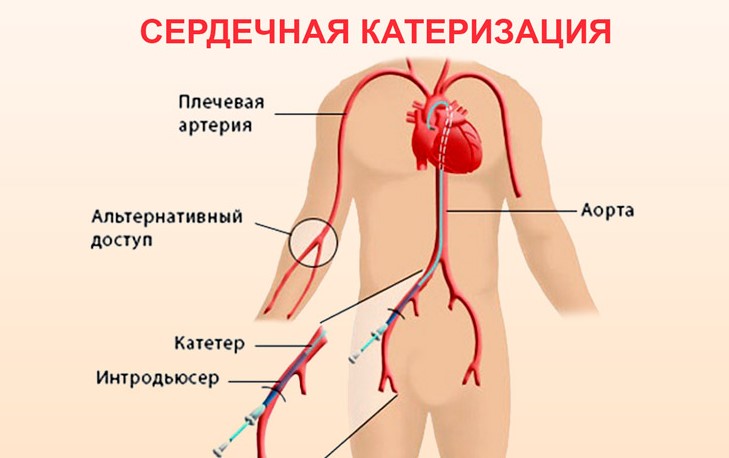
  • low-traumatic surgery with cardiac catheterization - the doctor closes the defect through a catheter that is inserted into the radial or femoral artery;
  • open heart surgery. It is carried out with large defects under general anesthesia and with the connection of a cardiopulmonary bypass system.
faq image

In case of especially severe or multiple defects abroad, a heart transplant or a heart-lung complex is performed.

How is a ventricular septal defect treated at different ages?

The method of treatment depends on the size of the defect and the age of the patient. In some cases, foreign cardiac surgeons prescribe drug therapy and regular cardiac examinations to patients. Surgery is most often performed on children over the age of 3 years.

Treatment of a ventricular septal defect in a fetus

A ventricular septal defect in a fetus is diagnosed during a routine ultrasound of a pregnant woman. To clarify the diagnosis, foreign cardiologists perform a transvaginal ECG.

At this stage, no special treatment is prescribed, because the defect can close on its own before delivery. Doctors recommend expectant mothers to remain calm and adhere to a healthy lifestyle.

With complex defects that threaten the life of a child, foreign cardiac surgeons perform intrauterine heart surgery.

Treatment of VSD in a newborn

In a newborn child, a ventricular septal defect is detected even before birth or during the first 3-5 months of life.

For small and medium-sized defects, drug treatment and regular cardiological monitoring are indicated.

During this period, the cardiac surgeon will perform surgical treatment only in case of a large defect or heart failure.

Treatment of ventricular septal defect in children

For the treatment of ventricular septal defect in children from 3 years of age, drug therapy and surgical treatment are used.

For small defects, the doctor performs a cardiac catheterization. During this procedure, he closes the hole in the septum between the ventricles with a special mesh. Over time, the mesh overgrows with muscle tissue, and the defect closes.

Treatment of ventricular septal defect in adults

A ventricular septal defect is a congenital heart defect. It is detected at an early age, so the disease is quite rare in adults.

In adults, small ventricular septal defects appear, so surgical treatment is not performed. Doctors recommend regular check-ups. According to its results, drugs may be prescribed periodically to maintain the work of the heart.

How to go abroad for treatment of a ventricular septal defect?

To go abroad for treatment of a ventricular septal defect, leave a request on the Bookimed website. You will be contacted by a coordinating doctor who will help you choose the best clinic.

Prices for VSD treatment are listed on the Bookimed website. To receive an individual treatment program, you must provide medical records and test results of the patient. The doctor-coordinator will transfer them to the selected clinic. Foreign cardiac surgeons will review all documents and offer the possibility of therapy or surgery with an accurate cost.

Before traveling abroad, you should consult with your treating cardiologist. He will advise which mode of transport is safer for your child.

During treatment and after returning home, Bookimed stays in touch with you.

Bookimed is an independent medical platform. We do not represent the interests of any of the clinics. Our services are paid by partner hospitals, not by patients.

Wszystko, co trzeba wiedzieć o Ubytek przegrody międzykomorowej

Where to treat a ventricular septal defect: at home or abroad?

42% of cardiological diagnoses made in the CIS countries are not confirmed in clinics in Germany and Israel.

For diagnosis in foreign clinics, modern ultrasound devices and magnetic resonance imaging (MRI) are used. The contrast agent is selected individually, taking into account the characteristics of the patient's health. This increases the accuracy of the procedure and reduces the risk of allergy to the drug.

Surgical treatment of a ventricular septal defect abroad is carried out in specially equipped operating rooms. There are artificial blood circulation and artificial lung ventilation systems, special systems for urgent resuscitation of children.

One of the main complications after open heart surgery is heart failure, which occurs due to the heart-lung machine. After such an operation in Russia, 80 out of 100 patients survive.

To avoid such risks, cardiac surgeons in clinics in Israel, Germany, Turkey and Spain perform surgical interventions on a beating heart. They do not require the connection of artificial systems. The success rate of heart surgeries abroad is 98%.

What to consider when choosing a clinic for the treatment of ventricular septal defect?

When choosing a clinic for the treatment of ventricular septal defect in children and adults, it is necessary to consider:

  • qualification of cardiac surgeons

In clinics abroad, patients are treated by the world's leading cardiac surgeons. Each of them has more than 500 successful operations for heart defects. They are the authors of unique methods of catheter procedures and open surgical interventions.

  • Equipment of the clinic

Successful treatment of a ventricular septal defect requires accurate diagnostic equipment (high-resolution MRI and CT), cardiac catheterization devices, and ultrasound. In operating rooms, resuscitation systems for children and adults, heart-lung machines, and systems for visual monitoring of the operation should be installed.

  • Accreditation of a clinic for the treatment of children

Some foreign clinics accept only children or only adult patients for treatment. The Bookimed medical coordinator will help you choose the right medical facility.

Diagnosis of ventricular septal defect abroad

In clinics abroad, a ventricular septal defect in a child can be detected even before birth. Pathology shows the ultrasound of the mother during pregnancy. To clarify the diagnosis, the doctor may prescribe transvaginal echocardiography.

After birth, an examination is carried out:

  • a chest x-ray to get an accurate picture of the structures of the heart and the defect itself
  • MRI or CT of the heart to assess the condition of its vessels and tissues;
  • ECG and EchoCG for the study of heart rate;
  • phonocardiography to detect systolic murmur.

Cardiac catheterization in children is performed only in difficult diagnostic cases. It allows you to determine the type of congenital defect and its size, measure the pressure in the cavities and vessels of the heart, evaluate the work of the heart chambers.

Treatment of ventricular septal defect abroad

A small ventricular septal defect does not require special treatment. Children with this defect grow and develop normally. To prevent any infections that can harm the heart, the doctor prescribes a course of antibiotic therapy.

Children with moderate or large defects should have regular cardiac examinations. So the doctor will immediately notice any abnormalities in the work of the heart and prescribe the appropriate treatment.

Medical treatment of ventricular septal defects

The doctor prescribes drugs that help the heart cope with the additional load:

  • diuretics, which remove excess fluid from the body;
  • an ACE inhibitor (angiotensin-converting enzyme) to improve the condition of the myocardium during increased stress;
  • cardiac glycosides, which improve myocardial function.

Medical treatment of a ventricular septal defect allows you to postpone surgery for several years. In children at 3-4 years old, the defect can close on its own. If this does not happen, doctors perform surgery, which is more effective at this age.

Surgical treatment of ventricular septal defect

In the surgical treatment of a ventricular septal defect, cardiac surgeons use the following methods:

  • low-traumatic surgery with cardiac catheterization - the doctor closes the defect through a catheter that is inserted into the radial or femoral artery;
  • open heart surgery. It is carried out with large defects under general anesthesia and with the connection of a cardiopulmonary bypass system.

faq image

In case of especially severe or multiple defects abroad, a heart transplant or a heart-lung complex is performed.

How is a ventricular septal defect treated at different ages?

The method of treatment depends on the size of the defect and the age of the patient. In some cases, foreign cardiac surgeons prescribe drug therapy and regular cardiac examinations to patients. Surgery is most often performed on children over the age of 3 years.

Treatment of a ventricular septal defect in a fetus

A ventricular septal defect in a fetus is diagnosed during a routine ultrasound of a pregnant woman. To clarify the diagnosis, foreign cardiologists perform a transvaginal ECG.

At this stage, no special treatment is prescribed, because the defect can close on its own before delivery. Doctors recommend expectant mothers to remain calm and adhere to a healthy lifestyle.

With complex defects that threaten the life of a child, foreign cardiac surgeons perform intrauterine heart surgery.

Treatment of VSD in a newborn

In a newborn child, a ventricular septal defect is detected even before birth or during the first 3-5 months of life.

For small and medium-sized defects, drug treatment and regular cardiological monitoring are indicated.

During this period, the cardiac surgeon will perform surgical treatment only in case of a large defect or heart failure.

Treatment of ventricular septal defect in children

For the treatment of ventricular septal defect in children from 3 years of age, drug therapy and surgical treatment are used.

For small defects, the doctor performs a cardiac catheterization. During this procedure, he closes the hole in the septum between the ventricles with a special mesh. Over time, the mesh overgrows with muscle tissue, and the defect closes.

Treatment of ventricular septal defect in adults

A ventricular septal defect is a congenital heart defect. It is detected at an early age, so the disease is quite rare in adults.

In adults, small ventricular septal defects appear, so surgical treatment is not performed. Doctors recommend regular check-ups. According to its results, drugs may be prescribed periodically to maintain the work of the heart.

How to go abroad for treatment of a ventricular septal defect?

To go abroad for treatment of a ventricular septal defect, leave a request on the Bookimed website. You will be contacted by a coordinating doctor who will help you choose the best clinic.

Prices for VSD treatment are listed on the Bookimed website. To receive an individual treatment program, you must provide medical records and test results of the patient. The doctor-coordinator will transfer them to the selected clinic. Foreign cardiac surgeons will review all documents and offer the possibility of therapy or surgery with an accurate cost.

Before traveling abroad, you should consult with your treating cardiologist. He will advise which mode of transport is safer for your child.

During treatment and after returning home, Bookimed stays in touch with you.

Bookimed is an independent medical platform. We do not represent the interests of any of the clinics. Our services are paid by partner hospitals, not by patients.

Uzyskać bezpłatną konsultację

Proszę wybrać wygodny sposób komunikacji