Na stronę główną
820К+ pacjentów otrzymało pomoc od 2014 roku
50 kraje
1,500 kliniki
6K+ opinie
3K+ wykwalifikowani lekarze

Jaka jest cena ultrasonograficznej rhinoplastyki w Meksyku? Proszę dowiedzieć się teraz

Ceny korekty nosa metodą ultradźwiękową w Meksyku wynoszą zazwyczaj od $3,200 do $5,100. Ostateczny koszt zależy od doświadczenia chirurga, akredytacji kliniki oraz wybranego miasta. W Polsce podobne zabiegi kosztują średnio około $5,300. Pacjenci oszczędzają około 40% w porównaniu z cenami w Polsce. Standardowy pakiet zazwyczaj obejmuje honorarium chirurga, znieczulenie ogólne oraz przedoperacyjne badania krwi.

  • Technika: Wykorzystanie technologii Piezotome zazwyczaj podnosi cenę o 20-30% ze względu na specjalistyczny sprzęt.
  • Lokalizacja: Pakiety w mieście Meksyk są zazwyczaj o 30% do 45% droższe niż w Mexicali.
  • Operacje poprawkowe: Korekta po poprzednim zabiegu jest znacznie droższa niż pierwotna operacja ultradźwiękowa.
  • Poziom kliniki: Placówki z akredytacją CSG lub JCI zazwyczaj oferują wyższe ceny.

Opinia ekspercka Bookimed: Guadalajara oferuje wyjątkowo korzystne warunki dla precyzyjnych zabiegów chirurgicznych. Klinika Marroquín & Sandoval Plastic Surgery przeprowadza rocznie 300 zabiegów u pacjentów zagranicznych. Ceny ich pakietów zaczynają się od około 3 100 €, a zespół tworzą certyfikowani specjaliści z ISAPS i ASPS. Standard jakości odpowiada najlepszym polskim klinikom przy znacznie niższych kosztach. Wiele elitarnych placówek w Meksyku posiada również certyfikaty FILACP i AMCPER, co zapewnia większe bezpieczeństwo.

Dane zweryfikowane przez Bookimed na May 2026, na podstawie zapytań pacjentów i oficjalnych wycen z 28 klinik na całym świecie. Koszty mediany opierają się na rzeczywistych fakturach (2025–2026) i są aktualizowane co miesiąc. Rzeczywiste ceny mogą się różnić.

Państwa korzyści i gwarancje z Bookimed

Bezpośrednie ceny od klinik i elastyczne raty

Państwo nie płacą za usługi Bookimed. Ceny na ultrasonograficzną rhinoplastykę na stronie odpowiadają cennikowi kliniki. Płatność dokonywana jest bezpośrednio w klinice po przyjeździe. Dostępna jest płatność w ratach.

Tylko zweryfikowane kliniki i lekarze

Bookimed dba o Państwa bezpieczeństwo. Współpracujemy tylko z klinikami spełniającymi wysokie międzynarodowe standardy w przeprowadzaniu ultrasonograficznej rhinoplastyki. Posiadają one wymagane licencje do obsługi pacjentów międzynarodowych na całym świecie.

Bezpłatne wsparcie 24/7

Bookimed oferuje bezpłatną pomoc i wsparcie. Osobisty koordynator medyczny pozostaje w kontakcie przed, w trakcie i po podróży. Nie będą Państwo sami w innym kraju podczas procedury Ultrasonograficzna rhinoplastyka.

Dlaczego właśnie my?

Wasz osobisty lekarz-koordynator Bookimed

  • Zapewnia wsparcie na wszystkich etapach
  • Pomaga wybrać odpowiednią klinikę i lekarza
  • Zapewnia szybki i wygodny dostęp do informacji

Ekskluzywne oferty w ultrasonograficznej rhinoplastyce w Meksyku na maj 2026 roku

Typ procedury
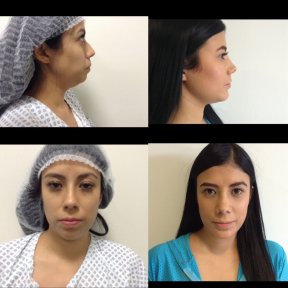
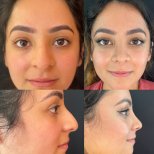
Efekty przed i po ultradźwiękowej rynoplastyce w klinice Marroquín & Sandoval
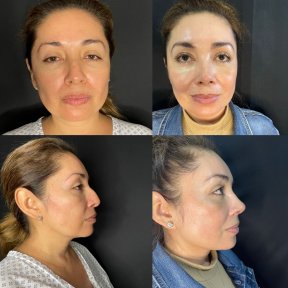
Efekty przed i po ultradźwiękowej korekcji nosa w klinice Marroquín & Sandoval
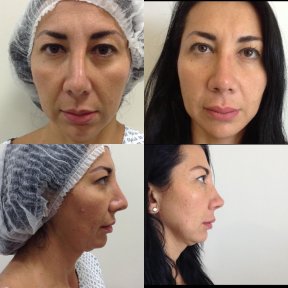
Efekty przed i po ultradźwiękowej rynoplastyce w klinice Marroquín & Sandoval
5.0
(16 opinie)
18 lat doświadczenia
Certyfikowany przez izbę lekarską

Rinoplastyka ultradźwiękowa z technologią Piezotome — minimalny obrzęk i szybki powrót do zdrowia

Rynoplastyka ultradźwiękowa z wykorzystaniem technologii piezotomowej pozwala na niezwykle precyzyjne modelowanie kości, co ogranicza obrzęk i przyspiesza rekonwalescencję. Dr Marco Tulio Marroquin Batres jest certyfikowanym chirurgiem plastycznym odznaczonym uniwersyteckim Medalem Zasługi. Wykonuje on zabieg tą strukturalną metodą otwartą w klinice chirurgii plastycznej Marroquín & Sandoval. Zabieg kosztuje około 3 600 $ i obejmuje operację, znieczulenie ogólne oraz konsultacje. Badania krwi są dostępne za dodatkową opłatą w wysokości 75 $. Pacjenci zazwyczaj wypisywani są tego samego dnia, a pobyt przed powrotem do domu trwa 7 dni.

Dowiedzieć się o najlepszych klinikach w ultrasonograficznej rhinoplastyce w Meksyku: 3 sprawdzone kliniki i ceny

Ranking klinik Bookimed opiera się na algorytmach data science. Jego podstawą są takie kryteria: liczba zapytań od pacjentów, opinie (pozytywne i negatywne), aktualność cen i opcji leczenia, szybkość odpowiedzi kliniki oraz posiadanie certyfikatów.
Hospital de la Familia
Chirurgia Plastyczna Dr Alexandro Aguilera

Przegląd procedury Ultrasonograficzna rhinoplastyka w Meksyku

Główne dane
Podobne procedury i ceny
Jak to działa
Zalety
Opcje płatności
pacjenci rekomendowane -
85%
Przetworzonych zapytań - 110449
Koszt usług Bookimed - $0

Proszę uzyskać konsultację medyczną dotyczącą ultrasonograficznej rhinoplastyce w Meksyku: Proszę wybierać spośród najlepszych specjalistów w tej dziedzinie

Wszyscy lekarze
zweryfikowany

Alexandro Aguilera

18 lat doświadczenia • 3000+ procedury na koncie

Specialist in General Surgery at Hospital General de México. Subspecialist in Plastic and Reconstructive Surgery at Hospital General Dr. Manuel Gea González. Medical degree from Universidad Anáhuac del Norte. Advanced training in Hand Surgery at Hospital Ángeles del Pedregal. Additional training in Peripheral Nerve and Facial Paralysis at Hospital General Dr. Manuel Gea González.

Attending Plastic and Reconstructive Surgeon at the National Institute of Pediatrics. Head of the Continuing Medical Education Committee at AMCPER (2016–present). Associate Professor in the UNAM‑coordinated Experimental Microsurgery Training Course. Congress coordinator and lecturer.

Honors include the 2016 International Travel Grant from the American Society for Reconstructive Microsurgery. First place in the FILACP International Residents Competition (2014). Winner of the Gea Puis Research Contest (Jan 2014). First place in the 42nd National Residents Competition Dr. Fernando Ortiz Monasterio (2013).

zweryfikowany

Israel Villalobos Blasquez

16 lat doświadczenia

Specjalizuje się w rynoplastyce ultradźwiękowej, odbył zaawansowane szkolenie w zakresie chirurgii plastycznej twarzy pod kierunkiem dr. Lazaro Cardenasa Camareny w Hospital Innovare.

  • Ukończony staż specjalizacyjny (Fellowship) w zakresie konturowania ciała i zaawansowanej chirurgii plastycznej twarzy
  • Certyfikowany specjalista chirurgii plastycznej i rekonstrukcyjnej
  • Członek Międzynarodowego Towarzystwa Estetycznej Chirurgii Plastycznej (ISAPS)
  • Rezydentura w Szpitalu Uniwersyteckim „Dr. Jose Eleuterio González”

Wideo historie pacjentów Bookimed

Elissa
To zdecydowanie długi proces, ale nie mogę się doczekać, aż zobaczę efekty!
Procedura: Rynoplastyka (plastyka nosa)

Ultrasonograficzna rhinoplastyka: Zdjęcia przed i po

Wyświetlić wszystkie

Udostępnić tę treść

Zaktualizowano: 01/14/2026
Autor
Anna Leonova
Anna Leonova
Kierownik działu marketingu treści
Certyfikowany autor tekstów medycznych z ponad 10-letnim doświadczeniem, odpowiada za wiarygodność treści Bookimed. Posiada tytuł magistra filologii, przeprowadzała wywiady z ekspertami światowymi.
Fahad Mawlood
Redaktor medyczny, Data Scientist
Lekarz ogólny, laureat 4 konkursów prac naukowych młodych naukowców. Pracował na Bliskim Wschodzie. Były kierownik zespołu anglojęzycznych i arabskojęzycznych lekarzy-koordynatorów. Obecnie zajmuje się analizą danych i jest redaktorem medycznym strony.
Fahad Mawlood Linkedin
Na tej stronie mogą być prezentowane informacje dotyczące różnych chorób, metod leczenia oraz usług medycznych dostępnych w różnych krajach. Proszę zauważyć, że treści mają charakter wyłącznie informacyjny i nie powinny być traktowane jako porada medyczna ani wytyczne. Proszę skonsultować się z lekarzem lub wykwalifikowanym pracownikiem medycznym przed rozpoczęciem lub zmianą leczenia.

Kluczowe fakty o ultrasonograficznej rhinoplastyce

Ultrasonic Rhinoplasty

Utilizes ultrasonic technology to reshape the nose with precision and minimal trauma.

Pros: Less bruising and swelling than traditional methods. Precise bone sculpting reduces tissue damage by 30%.
Cons: Limited availability of experienced surgeons. May not address complex nasal deformities effectively.
Effectiveness: 85% success rate in achieving desired nasal structure.
Duration: 1-3 hours
Recovery: 7-10 days
Best for: Enhancing nasal symmetry and contour with minimal invasiveness.
Prices: Koszt ultrasonograficznej rhinoplastyki w Meksyku od $3,240

FAQ dotyczące ultrasonograficznej rhinoplastyce w Meksyku

To pytania od prawdziwych pacjentów poszukujących pomocy medycznej przez Bookimed. Odpowiedzi udzielają doświadczeni lekarze-koordynatorzy oraz oficjalni przedstawiciele klinik.

Is it safe to get an ultrasonic nose job in Mexico?

Ultrasonic rhinoplasty is safe in Mexico when performed by board-certified plastic surgeons in accredited facilities. This advanced technique uses sound vibrations to reshape nasal bones with microscopic precision. It significantly reduces tissue trauma and eliminates the need for manual hammers or chisels.

  • Surgeon certification: Surgeons must hold Mexican Council of Plastic Surgery (CMCPER) certification for safety.
  • Technology benefits: Piezotome tools preserve soft tissue, reducing bruising by up to 30%.
  • Facility standards: Verified clinics maintain COFEPRIS or JCI accreditation to ensure sterile surgical environments.
  • Recovery timeline: Patients should plan a 7-to-10-day stay for proper splint removal and monitoring.

Bookimed Expert Insight: The true safety advantage in Mexico lies in regional specialization. Tijuana and Guadalajara clinics often perform higher volumes of ultrasonic cases than some US centers. This repetition creates a precision loop where surgeons manage complex bone reshaping with minimal swelling. Always confirm the clinic uses a genuine Piezotome device rather than standard power tools.

Patient Consensus: Many patients highlight the absence of typical raccoon eyes and heavy facial bruising. They often feel ready for public outings much sooner than those undergoing traditional surgery.

Does ultrasonic rhinoplasty require an open or closed surgical approach?

Ultrasonic rhinoplasty is performed using both open and closed approaches, though the open method is most common. This technique utilizes piezoelectric tools for precise bone sculpting. The choice depends on surgical complexity, required visibility, and the surgeon's training with specialized Piezotome technology.

  • Open approach: Provides wide visualization for complex reshaping and major asymmetry correction.
  • Closed approach: Less common method hiding all incisions inside the nostrils for minor adjustments.
  • Piezotome technology: Specialized ultrasonic tools used to shape bone with minimal soft tissue trauma.
  • Approach decision: Determined by nasal anatomy and structural needs rather than the equipment itself.

Bookimed Expert Insight: Mexican clinics like Marroquín & Sandoval often pair ultrasonic tools with hybrid techniques. While the open approach is standard for Piezotome visibility, these specialists serve 300+ international patients annually. They use this precision to ensure the minimal swelling promised in their $3,600 packages.

Patient Consensus: Patients emphasize that ultrasonic tools don't guarantee a scarless result. The technology impacts bone healing, but the skin incision depends entirely on your specific correction needs.

How long do I need to stay in Mexico after the surgery?

Most patients undergo ultrasonic rhinoplasty in Mexico stay for 7 to 10 days before returning home. This timeframe allows surgeons to monitor initial healing, manage nasal congestion, and remove the external splint safely. Major structural changes or revision cases may require up to 14 days post-operatively.

  • Splint removal: Surgeons typically remove the protective nasal splint between day 5 and day 7.
  • Healing technology: Piezotome technology reduces bruising and swelling, often allowing for a faster travel clearance.
  • Flight safety: Patients must wait at least 7 days to avoid pressure-related bleeding or swelling.
  • Surgeon credentials: Top Mexican specialists maintain certifications from AMCPER and the International Society of Aesthetic Plastic Surgery.

Bookimed Expert Insight: While many clinics offer a 7-day estimate, clinics in Guadalajara and Mexico City often recommend 10 days for international patients. This extra buffer ensures you attend the final follow-up where doctors check internal nasal valves. Choosing a JCI-accredited facility like Marroquín & Sandoval ensures higher safety standards during this critical window.

Patient Consensus: Patients suggest booking flexible flight tickets because swelling or minor bleeding can sometimes delay travel clearance. The most common advice is to avoid heavy lifting or long airport walks during the return journey.

How can I verify a plastic surgeon's credentials in Mexico?

Verifying a plastic surgeon in Mexico involves checking for two mandatory government professional licenses known as Cedulas Profesionales. You must also confirm active board certification through the Mexican Council of Plastic, Aesthetic and Reconstructive Surgery (CMCPER) which legally recognizes specialists every 5 years.

  • License check: Search the National Registry of Professionals using the surgeon full name.
  • Board status: Ensure the doctor appears in the official CMCPER certified specialist directory.
  • Specialty confirmation: Verify a specific specialist license for Cirugia Plastica beyond general medicine.
  • Association membership: Look for active listings in AMCPER or international bodies like ISAPS.

Bookimed Expert Insight: High-volume clinics often list multiple certifications, but individual surgeon numbers matter most. Dr. Alexandro Aguilera at his Mexico City clinic has performed over 3,000 procedures and maintains FILACP and ASPS credentials. Always verify the Piezotome specialist training separately if you are seeking ultrasonic rhinoplasty specifically.

Patient Consensus: Patients emphasize finding surgeons with clear hospital privileges rather than just boutique offices. They suggest cross-referencing names with official medical board staff pages to avoid surgeons who only hold cosmetic certificates.

Am I a good candidate for ultrasonic rhinoplasty?

You are a prime candidate for ultrasonic rhinoplasty in Mexico if you require precise bony reshaping, such as smoothing a dorsal hump or narrowing a wide nasal bridge. This technique uses a Piezotome device to selectively target bone while preserving delicate soft tissues and blood vessels.

  • Anatomy focus: Ideal for correcting bony humps, crooked bridges, or wide nasal bones.
  • Soft tissue: Not suitable for tip refinement alone as ultrasound cannot reshape soft cartilage.
  • Age requirement: Candidates must have completed facial growth, typically between 16 and 18 years.
  • Health status: Best for non-smokers in good health seeking minimal bruising and faster recovery.

Bookimed Expert Insight: While many choose Mexico for savings reaching 74%, the real value lies in surgical volume. Specialized clinics like Marroquín & Sandoval serve over 300 international patients annually. Data shows these high-volume centers often combine Piezotome technology with rib grafts. This hybrid approach ensures both cosmetic refinement and structural support for long-term breathing health.

Patient Consensus: Patients emphasize that while the ultrasonic tool reduces trauma, surgeon skill remains the most critical factor. Many suggest verifying a surgeon's specific experience with thick skin or functional breathing issues before booking.

What does the recovery timeline look like?

Recovery from ultrasonic rhinoplasty in Mexico typically allows patients to return to social activities within 7 to 14 days. Using Piezotome technology reduces bone trauma and bruising compared to traditional methods. Most patients travel home after 7 days once the nasal splint is removed.

  • First 3 days: Peak swelling and nasal congestion often lead to temporary sleep disturbances.
  • Day 7 milestone: Surgeons usually remove the external splint and internal dressings at this stage.
  • 14-day mark: Bruising typically fades enough for patients to return to work comfortably.
  • Long-term healing: Nasal tip definition evolves over 12 months as residual swelling fully resolves.

Bookimed Expert Insight: While ultrasonic tools minimize bruising, patient data shows surgeons like Dr. Alexandro Aguilera manage over 3,000 cases to refine results. Many Guadalajara clinics suggest a 7-day hotel stay. This allows proper monitoring before you encounter airplane cabin pressure during your flight home.

Patient Consensus: Expect emotional ups and downs during the first month. Early swelling often hides fine details, but significant nasal definition typically emerges between 3 and 6 months.

Can ultrasonic tools reshape the tip of the nose?

Ultrasonic tools cannot directly reshape the nasal tip because they only affect dense bone and hard cartilage. Surgeons use high-frequency vibrations from piezotome technology to sculpt the nasal bridge and dorsal hump while completely sparing the soft, flexible cartilage that forms the tip.

  • Energy selectivity: Ultrasonic vibrations precisely cut bone without damaging surrounding soft tissue or membranes.
  • Tip techniques: Surgeons use traditional suturing and trimming to narrow or lift the nasal tip.
  • Structural support: Cartilage grafts are often manually carved to provide better definition and structural lift.
  • Recovery focus: Piezotome reduces trauma to the bridge, though tip swelling persists for several months.

Bookimed Expert Insight: Many patients believe ultrasonic technology creates a more refined tip, but our data from Guadalajara and Mexico City clinics shows this is an indirect effect. By lowering a bony hump or narrowing the bridge with a piezotome, surgeons create a balanced foundation. This allows for more effective manual tip refinement, often using rib or septal grafts for long-term stability.

Patient Consensus: Patients report significantly less bruising and a faster return to daily activities compared to traditional methods. However, many emphasize that while the bridge heals quickly, the tip remains firm and swollen longer than expected.

Does it require an open or closed surgical approach?

Ultrasonic rhinoplasty in Mexico can be performed using either an open or closed approach depending on your surgical plan. While the Piezotome tool reshapes bone with high precision, the incision style is a separate clinical decision based on your specific nasal anatomy and goals.

  • Open approach: Surgeons utilize a columellar incision for maximum visibility during complex structural remodeling.
  • Closed approach: All incisions stay inside nostrils, preventing visible scarring for simpler dorsal bone reshaping.
  • Bone technology: Piezotome ultrasonic waves precisely target bone while preserving surrounding soft tissue and vessels.
  • Clinical choice: The technique depends on whether you require tip refinement or major hump reduction.

Bookimed Expert Insight: While patients often search for closed ultrasonic surgery, data from top clinics like Marroquín & Sandoval shows that the most durable results often require an open approach. Dr. Marco Tulio Marroquin Batres specializes in structured rhinoplasty, where an open incision provides the necessary access to utilize Piezotome technology effectively across the entire nasal bridge.

Patient Consensus: Patients emphasize that ultrasonic refers to the bone-cutting tool rather than the incision style. Many warn that the term can be misleading and suggest asking your surgeon for a specific written plan on whether your procedure will be open or closed.

How long do I need to stay in Mexico after surgery?

For ultrasonic rhinoplasty in Mexico, patients should plan to stay between 7 and 10 days post-surgery. This timeframe allows for essential surgical follow-ups, initial splint removal, and ensuring nasal swelling stabilizes enough for safe air travel without increasing the risk of pressure-related complications.

  • Travel timeframe: Most clinics recommend waiting 7 days before boarding any return flight home.
  • Surgical follow-up: The 10-day mark is ideal for final checkups and nasal splint removal.
  • Technology impact: Piezotome technology reduces bruising but still requires professional monitoring for internal healing.
  • Safety requirement: Surgeons must issue a fit-to-fly letter to ensure safe travel through customs.

Bookimed Expert Insight: While ultrasonic techniques like those used at Marroquín & Sandoval Plastic Surgery Clinic reduce recovery time, don't rush your departure. Data shows that 10 days is the safest window for patients traveling from the USA or Canada. Staying the full 10 days ensures your surgeon can handle any immediate adjustments before you leave their direct care.

Patient Consensus: Many patients find 10 days to be the sweet spot for recovery. They emphasize that while ultrasonic surgery feels gentler, flying too early often causes uncomfortable swelling or pressure.

Uzyskać bezpłatną konsultację

Proszę wybrać wygodny sposób komunikacji