Standard Mole and Nevus Removal
specjalna cena ważna do 28 grudnia 2026
Co obejmuje ta oferta pakietowa
Procedury medyczne
- Usunięcie pieprzyka
- Konsultacja z chirurgiem plastycznym
Czas trwania
- 7 dni w hotelu
Rezerwacja zakwaterowania
Zakwaterowanie nie jest wliczone
Transport
Transfer nie jest wliczony w cenę
Implant
Nie jest wymagana instalacja implantu
Dodatkowe informacje
Expert Nevus Removal Mole and Birthmark Excision by Prof. Dr. Adham Farouk
Nevus removal encompasses the surgical excision of moles birthmarks and skin lesions. Prof. Dr. Adham Farouk brings over 30 years of surgical expertise to deliver precise and aesthetic results with minimal scarring.
Wsparcie Bookimed 24/7
- Osobisty lekarz-koordynator
- Organizacja podróży — rezerwacja biletów i hotelu po obniżonej cenie od naszych partnerów
- Ochrona interesów pacjenta przez cały czas podróży do kliniki
Koszt programu
specjalna cena ważna do 28 grudnia 2026
Co NIE jest wliczone w tę ofertę pakietową
Lekarz
Jak Państwo oceniają naszą usługę?

O klinice
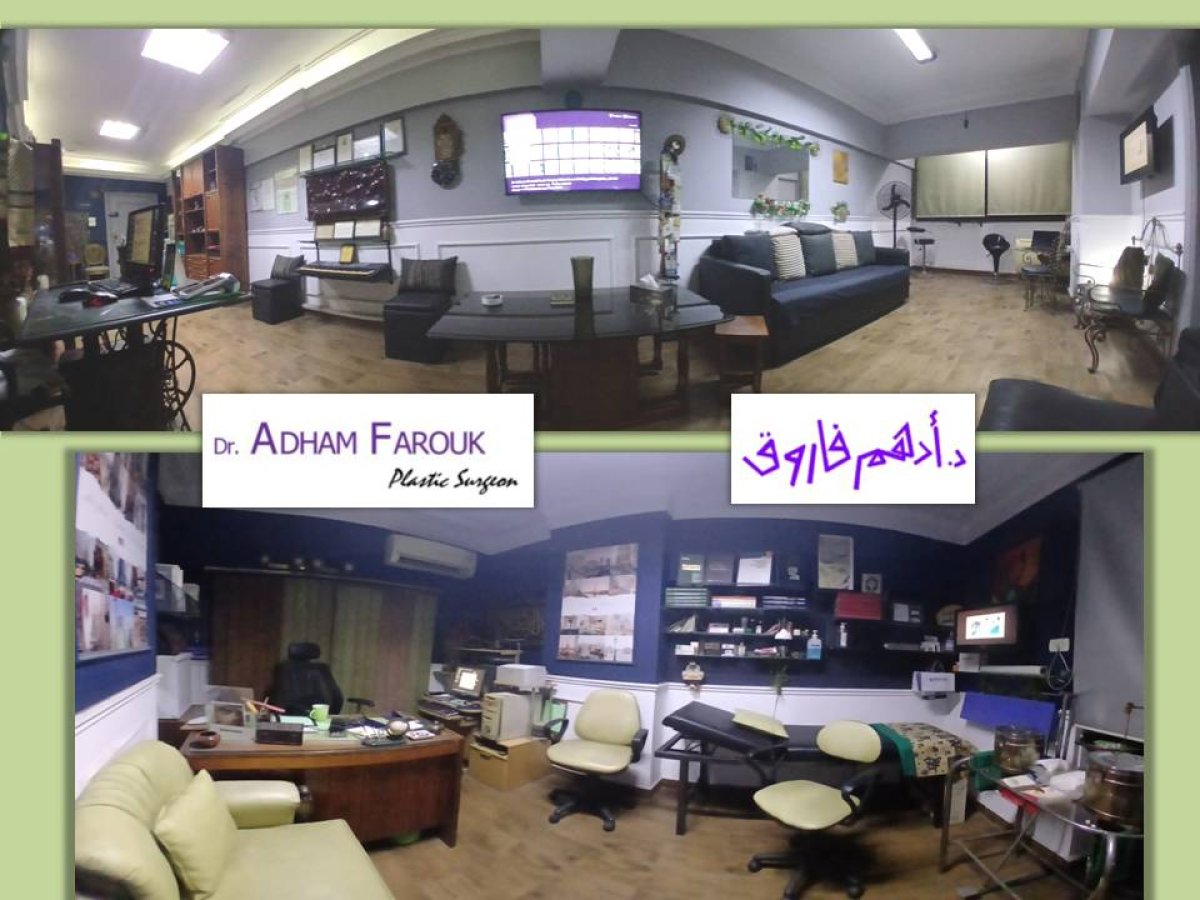
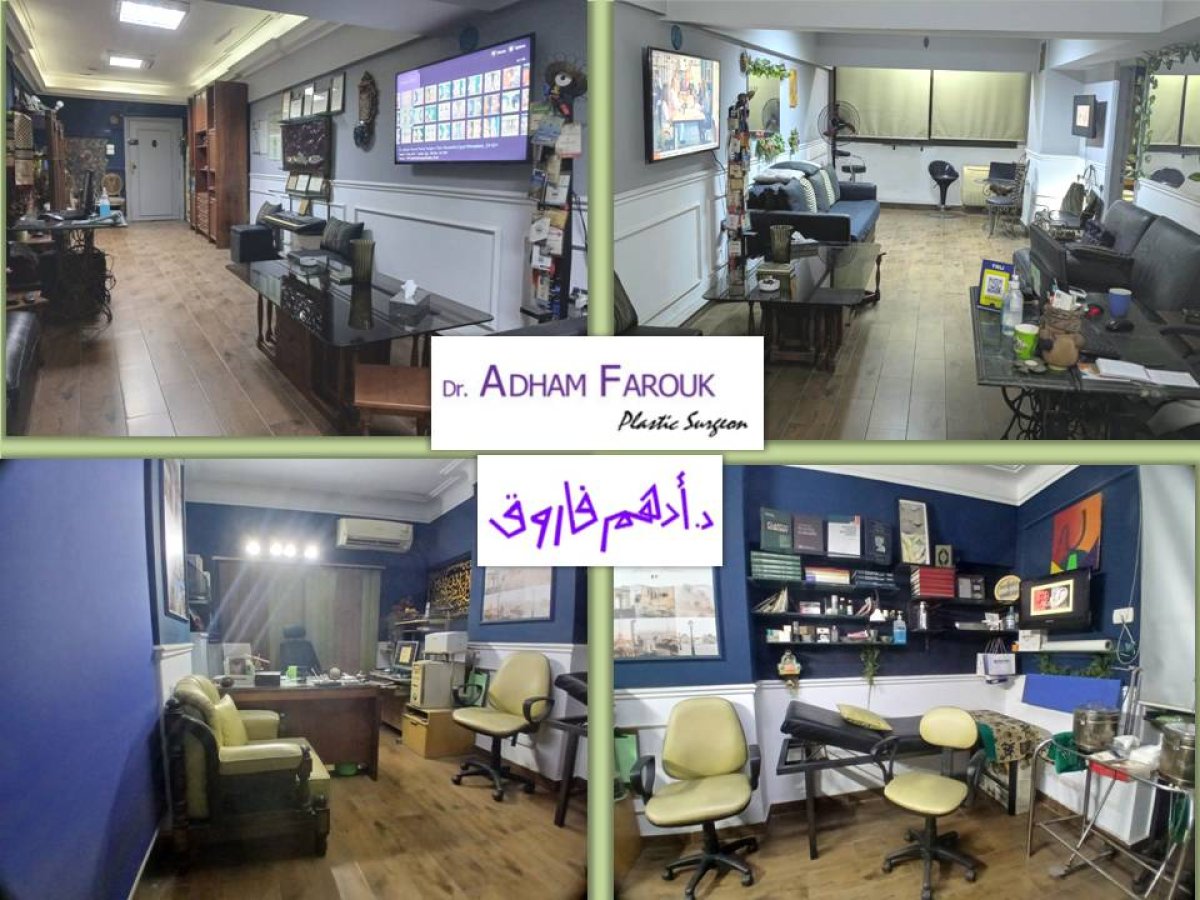
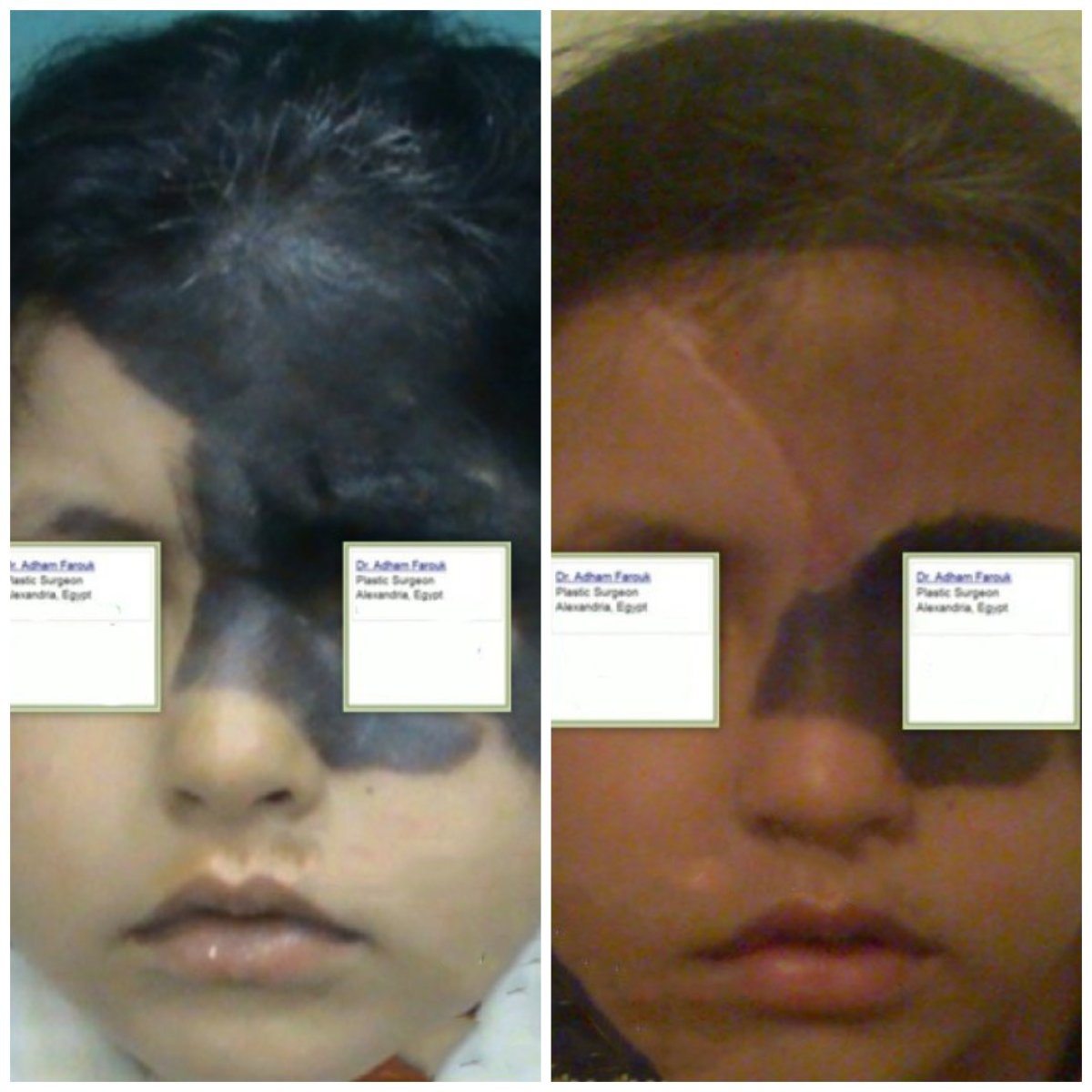
Usuwanie znamion w gabinecie prof. dr. Adhama Farouka w Aleksandrii w Egipcie obejmuje chirurgiczne wycięcie oraz laserowe leczenie znamion wrodzonych. Prof. dr Farouk jest profesorem chirurgii plastycznej z ponad 30-letnim doświadczeniem.
Wycięcie, leczenie laserowe i biopsja
Chirurgiczne wycięcie może być stosowane w leczeniu znamion, włókniaków, znamion wrodzonych i innych łagodnych zmian skórnych. Znamiona wrodzone można również leczyć laserowo. W zależności od przypadku można zastosować znieczulenie miejscowe lub ogólne.
Ocena stanu skóry i analiza wywiadu medycznego pomagają w opracowaniu planu leczenia. W uzasadnionych przypadkach może być zalecana biopsja zmian barwnikowych. Nacięcia wykonuje się wzdłuż naturalnych linii skóry, a blizny mogą z czasem blednąć.
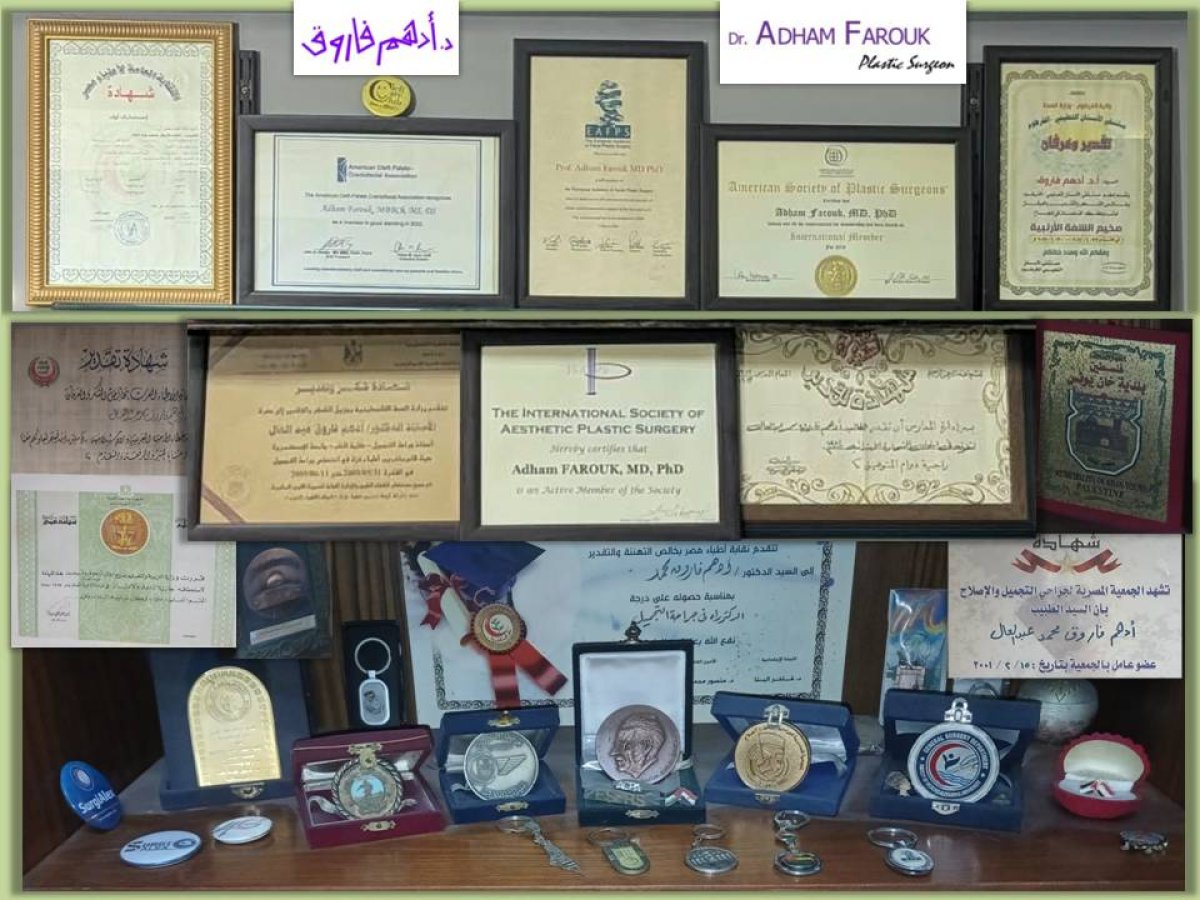
W razie potrzeby można rozważyć przeszczepy skóry, płaty skórne lub ekspansję tkanek. Prof. dr Farouk jest członkiem ASPS, ISAPS, EAFPS, ESPRS i ICOPLAST.
Rekonwalescencja i opieka po zabiegu
Większość pacjentów wraca do normalnej aktywności w ciągu kilku dni. Szwy są zwykle usuwane po 7–14 dniach, w zależności od leczonego obszaru.
Po zabiegu pacjenci powinni utrzymywać ranę w czystości i suchości, zmieniać opatrunki oraz stosować przepisane maści. Unikanie ekspozycji na słońce i zgłaszanie oznak zakażenia również należą do zaleceń po zabiegu.
Przed zabiegiem pacjenci powinni poinformować o alergiach skórnych i omówić z zespołem opiekującym się pacjentem przyjmowanie leków rozrzedzających krew. Usunięcie zmiany ze względów medycznych, gdy istnieje podejrzenie nowotworu, może być częściowo refundowane przez ubezpieczenie, natomiast usunięcie ze względów kosmetycznych zazwyczaj nie jest objęte ubezpieczeniem.
Aby omówić, czy usunięcie zmiany lub biopsja mogą być odpowiednie w Twojej sytuacji, poproś o konsultację za pośrednictwem Bookimed.
Płatność i nagrody
Państwo nie płacą za nasze usługi
Płatność jest dokonywana bezpośrednio w klinice lub na jej oficjalne konto bankowe.
Niektóre kliniki mogą wymagać wpłaty depozytu zgodnie ze swoją polityką.
Proszę płacić w ratach.
Proszę zapraszać znajomych do Bookimed i otrzymywać nagrody.
Dlaczego nas lubią
FAQ
What is a mole?
A mole (birthmark or nevus) is an accumulation of the skin pigment — a congenital disability or a benign tumor acquired through living. A mole can occur anywhere in the body, including the mucous membranes.
What are the types of moles?
There are different types of birthmarks, and not all of them are safe and comfortable for their owners. Moles can be flat and convex, yellow and black, covered with hair.
Mole sizes range from a few millimeters to tens of centimeters in diameter. In some cases, nevuses become cancerous. You should be wary if you have moles after long exposure to the sun, or if they appear and disappear spontaneously and visit a doctor urgently.
What are the indications of the mole removal?
Unfortunately, a mole is not only an aesthetic issue. It also may cause difficulties and severe diseases like skin cancer. Specialists recommend getting rid of a nevus if it:
- changes shape or surface structure
- causes discomfort
- becomes damaged and bleeds.
It is necessary to consult with a dermatologist and examine the mole with a dermatoscope to determine the possibility and surgical method. Unreasonable resection of all moles does not benefit health and can remain scars on the body.
What are contraindications to the procedure?
Contraindications to the removal of nevus are:
- exacerbations of chronic diseases
- an unhealthy skin area around the mole
- cardiovascular diseases.
What are the main methods of mole removal?
There are such techniques of the mole treatment as:
- electrocoagulation or electrosurgery — moles removal is performed using a special surgical coagulator that affects the nevus with high-frequency current and simultaneously solders the tissue.
- cryodestruction or cryosurgery — resection of the moles that are located only in the upper epidermis layers with liquid nitrogen.
- laser mole treatment — a powerful light beam destroys cells of a birthmark and evaporates them from the skin.
- radiofrequency mole removal — a method to get rid of nevuses using high-frequency radio waves.
- surgical excision of a mole — the most reliable method, suitable for treatment of large formations excised with a scalpel and removed with a small area of surrounding healthy skin.
How long is restoration after the mole removal?
The healing process depends on the amount of the tissue removed — the larger the mole, the longer the healing. Doctors recommend not touching or tearing off the scab, and it must fall off by itself. The pink spot remains instead and must be protected from exposure to the sun. Using skincare with 50+ SPF eliminates the risk of new formations.
The healing skin area must be equal to the rest of the skin in color and structure; only then the recovery period finishes.
Surgical mole removal requires particularly careful follow-up care, as it is the most traumatic. If the operated area is damaged or bleeding, you should immediately consult a doctor.
What are the risks of the mole resection?
The risks after the surgery vary according to the patient's features and the removal method — for example, bleeding, allergic reactions to anesthesia, and very rarely, nerve damage.
The most common complication is scar after the operation. Ask your doctor how to avoid or minimize an injury in the consultation.
What is preparation for the surgery?
- The surgeon cleans the operated area with alcohol or other suitable fluid.
- The local anesthesia is administered.
- 10 minutes later (the period when anesthesia starts to take effect), the doctor removes the mole.
What method of nevus removal is the most common?
Laser resection is the most popular method of mole surgeries. The laser treatment is available to apply for all body parts. This operation type is low traumatic, no scars remain. The local anesthesia is used.