Mali Wiroskoolchai
- 5 Doskonałe • 1 opinie
- 31 lat doświadczenia
- Tajlandia, Bangkok, Szpital interdyscyplinarny Mali
Wizyta u lekarza
Cena na zapytanie
Dr Mustafa Serkan Alemdar jest onkologiem klinicznym w kompleksie szpitalnym Medical Park Antalya. Specjalizuje się w leczeniu złożonych guzów litych oraz nowotworów krwi. Dr Alemdar ukończył studia medyczne oraz specjalizację z onkologii na Uniwersytecie Akdeniz. Jest aktywnym członkiem Tureckiego Towarzystwa Onkologii Medycznej.
Dr Halil Gulluoglu jest neurologiem w Medicalpoint International Hospital w Izmirze. Leczy złożone schorzenia neurologiczne, w tym padaczkę, otępienie typu alzheimerowskiego oraz choroby naczyniowe mózgu. Dr Gulluoglu był wcześniej adiunktem na Uniwersytecie Çanakkale 18 Mart.
Profesor Yan Zhi Ping kieruje oddziałem radiologii w szpitalu Xiamen Humanity Hospital. Specjalizuje się w diagnostyce guzów mózgu oraz funkcjonalnym obrazowaniu mózgu.
Dr Mehmet Hakan Şahin jest neurochirurgiem w Szpitalu Uniwersyteckim Atlas (stan na 2026 r.). Specjalizuje się w neurochirurgii onkologicznej i naczyniowej. Przeprowadza również operacje podstawy czaszki, złożone zabiegi czaszkowe oraz operacje kręgosłupa. W latach 2019–2024 był adiunktem na Uniwersytecie Atatürka. W latach 2024–2025 pracował w UW Health.
Jest autorem 29 międzynarodowych recenzowanych artykułów naukowych oraz 11 artykułów krajowych. Napisał 5 rozdziałów do podręczników. Wygłosił 7 prezentacji ustnych, w tym podczas AANS 2025 oraz panelu w 2024 roku poświęconego supracałkowitej resekcji glejaków. Do jego wyróżnień należą: Nagroda Motywacyjna dla Młodego Neurochirurga przyznana przez Tureckie Towarzystwo Neurochirurgiczne w 2024 r. (II miejsce) oraz I nagroda w 1. Akademii Mikrochirurgii Neurologicznej im. Yaşargila. Posiada Turecki Certyfikat Kwalifikacji Neurochirurgicznej (2023). Od 2017 roku jest członkiem Tureckiego Towarzystwa Neurochirurgicznego (nr 1620).
Dr Muhammed Mustafa Atci jest profesorem nadzwyczajnym onkologii klinicznej w szpitalu Liv Hospital Topkapı. Specjalizuje się w leczeniu raka jelita grubego, piersi, żołądka i płuc. Wcześniej pełnił funkcję koordynatora ds. edukacji w Szpitalu Miejskim im. prof. dr. Cemila Taşcıoğlu. Dr Atci jest członkiem Amerykańskiego Towarzystwa Onkologii Klinicznej (ASCO).
Lekarz jest wybitnym neurologiem i głównym badaczem w 100 badaniach klinicznych, specjalizującym się w stwardnieniu rozsianym, chorobie Parkinsona, chorobie Alzheimera i stwardnieniu zanikowym bocznym. Specjalista stosuje zaawansowane interwencje terapeutyczne, w tym plazmaferezę i technologie neurorehabilitacyjne, takie jak egzoszkielet.
Z karierą obejmującą role kierownicze jako ordynator neurologii w dużych szpitalach uniwersyteckich, lekarz posiada akredytację profesora nauk medycznych. Jako doświadczony badacz, specjalista jest autorem ponad 400 prac naukowych, w tym 139 artykułów międzynarodowych cytowanych ponad 4500 razy, i kierował licznymi projektami badawczymi finansowanymi przez Instytut Zdrowia Carlosa III.
Dr Fatma Gulhan Sahbaz jest neurologiem w Medicalpoint International Hospital w Izmirze. Jest byłą ordynator kliniki w Szpitalu Państwowym w Afyonkarahisar. Dr Sahbaz specjalizuje się w zaburzeniach ruchowych, interwencjach udarowych i epilepsji. Leczy złożone choroby neurodegeneracyjne, takie jak choroba Alzheimera i stwardnienie zanikowe boczne (ALS).
Dr Evren Sandal jest neurochirurgiem w Medicalpoint International Hospital w Izmirze. Specjalizuje się w chirurgii podstawy czaszki, neurochirurgii naczyniowej oraz chirurgii połączenia czaszkowo-szyjnego. Dr Sandal ukończył specjalistyczne badania w zakresie operacji pomostowania mózgowego na University of Wisconsin w USA. Leczy złożone schorzenia, w tym guzy mózgu, stenozy kanału kręgowego oraz torbiele mózgu.
Dr Lee Sanggu, lekarz medycyny, doktor nauk medycznych, jest neurochirurgiem. Pełni funkcję honorowego dyrektora medycznego oraz dyrektora Centrum Kręgosłupa. Jest również profesorem neurochirurgii w Gachon University Gil Medical Center.
Zainteresowania kliniczne obejmują guzy kręgosłupa, schorzenia kręgosłupa, małoinwazyjną chirurgię kręgosłupa oraz schorzenia odcinka szyjnego. Zabiegi obejmują PEN, PNP, selektywną blokadę nerwów, dyscektomię mikroskopową lub endoskopową, sztuczną wymianę dysku, małoinwazyjną stabilizację kręgosłupa oraz wertebroplastykę.
Uzyskał stopień doktora nauk medycznych na Uniwersytecie Hanyang. Pełnił funkcję ordynatora neurochirurgii w Veterans Health Service Medical Center. Jest członkiem zarządu wykonawczego KNS, KNTS i KSNS. Pełnił funkcję wiceprezesa i prezesa KSCS. Jest byłym prezesem KOMISS, KAME i KSPNS. Jest członkiem komitetu AOSpine Asia Pacific oraz pełnoprawnym członkiem NASS. W 2010 roku został wpisany do publikacji Marquis Who’s Who.
Dr Han Yeongmin jest neurochirurgiem (MD, PhD). Jest dyrektorem medycznym i dyrektorem Centrum Neurochirurgii w Szpitalu św. Marii w Inczon. Leczy choroby naczyń mózgowych i zaburzenia nerwów obwodowych. Specjalizuje się również w guzach mózgu i chirurgii podstawy czaszki. Schorzenia obejmują udar, krwotok mózgowy, zawał mózgu i chorobę moyamoya. Wykonuje zabiegi PEN, PNP i SNB. Oferuje również mikroskopową i endoskopową dyskektomię, wymianę sztucznego dysku, MIS-TLIF/małoinwazyjną fuzję kręgosłupa oraz wertebroplastykę.
Uzyskał tytuł MD i PhD na Katolickim Uniwersytecie Korei. Był profesorem wizytującym w zakresie chirurgii naczyń mózgowych i podstawy czaszki w Barrow Neurological Institute (Phoenix, Arizona, USA). Pracował również w Harborview Medical Center, University of Washington (Seattle, USA).
Jego publikacje obejmują współautorstwo rozdziału 52 Podręcznika koreańskiej chirurgii naczyń mózgowych. Jest również współautorem Acoustic Neuroma Oncology. Jest pełnoprawnym członkiem KNS, KSCVS, KSBS, KBTS, KNTS, KSNS i KSPNS.
Dr Ali Osman Mucuoglu jest neurochirurgiem w Szpitalu Uniwersyteckim Atlas w Stambule. Specjalizuje się w usuwaniu guzów mózgu oraz małoinwazyjnych operacjach krwotoków wewnątrzczaszkowych. Dr Mucuoglu wykorzystał technologię druku 3D do wspomaganej hipofizektomii przezskórnej. Jest członkiem Europejskiego Stowarzyszenia Towarzystw Neurochirurgicznych.
Dr Jesus Romero Imbroda jest neurologiem w Quirónsalud Marbella. Jest członkiem Europejskiej Rady Neurologii (Fellow of the European Board of Neurology). Dr Romero Imbroda jest członkiem Królewskiej Akademii Medycznej. Koncentruje się na badaniach nad stwardnieniem rozsianym i złożonymi zaburzeniami nerwowo-mięśniowymi. Lekarz wykłada również na Uniwersytecie w Grenadzie.
Dr Tuncay Kaner jest neurochirurgiem kręgosłupa w szpitalu Medical Park Bahcelievler. Ukończył staż w UCLA Santa Monica Comprehensive Spine Center. Dr Kaner jest aktywnym członkiem Scoliosis Research Society (SRS). Jest również członkiem AO Spine International. Pracuje w akredytowanym przez JCI szpitalu uniwersyteckim w Stambule.
Dr Halil Can jest profesorem neurochirurgii w szpitalu İstinye University Liv Hospital Topkapı. Specjalizuje się w endoskopowej i mikrochirurgicznej operacji kręgosłupa w przypadku nowotworów i chorób zwyrodnieniowych. Dr Can jest autorem 21 międzynarodowych publikacji recenzowanych. Wykonuje złożone zabiegi, w tym endoskopowe operacje podstawy czaszki i przysadki mózgowej.
Dr Tara Rak-areekul jest neurologiem w PYONG Rehabilitation Group w Bangkoku. Zajęła pierwsze miejsce w tajskim krajowym egzaminie neurologicznym dla rezydentów i stypendystów. Dr Rak-areekul koncentruje się na neurologii poznawczej i chorobach neurodegeneracyjnych, takich jak choroba Alzheimera i Parkinsona. Posiada certyfikaty NIHSS oraz w zakresie leczenia ostrego udaru mózgu.
Dr Naphat Sirinimnualkul jest psychiatrą i instruktorem klinicznym w King Chulalongkorn Memorial Hospital. Specjalizuje się w powiązaniach między zaburzeniami snu a schorzeniami psychiatrycznymi. Dr Sirinimnualkul koncentruje się na medycynie snu, neuropsychiatrii i psychofarmakologii. Przyjmuje pacjentów w grupie rehabilitacyjnej PYONG w Bangkoku.
Dr Somjet Tosamran jest neurologiem w PYONG Rehabilitation Group w Bangkoku. Uzyskał dyplom lekarza z wyróżnieniem pierwszej klasy na Uniwersytecie Chulalongkorn. Obecnie dr Tosamran odbywa staż specjalizacyjny z zakresu epileptologii w King Chulalongkorn Memorial Hospital. Koncentruje się na złożonych zaburzeniach napadowych i chorobach neurodegeneracyjnych.
Dr Shady Mohammed El-sebai jest kierownikiem oddziału radiologii interwencyjnej w Narodowym Instytucie Onkologii Uniwersytetu w Kairze. Specjalizuje się w obrazowaniu onkologicznym i zabiegach małoinwazyjnych. Dr El-sebai leczy guzy wątroby, nerek i tkanek miękkich za pomocą technik chemoembolizacji i ablacji. Pracuje w szpitalu onkologicznym Shef Al Orman, ośrodku akredytowanym przez ESMO.
Zhang Jinshan, male, China’s First M.D. in the Radiation Medicine, CCI (Chinese College of Interventionalists) Master Interventionalist, Director of the Department of Former Radiological Diagnosis at Chinese PLA General Hospital(No.3 in China) Ph.D. of Medicine, Nagasaki University, Japan.
1980–1985: Completed doctoral studies at Nagasaki University, Japan
1968–present: Department of Radiology, Chinese PLA General Hospital
1988: Third Prize of the Military Science and Technology Progress Award
1989–present: Member of Radiological Society of North America(RSNA)
1990–2009: Standing Committee Member of the Radiology and Therapeutic Radiology Committee of the PLA
1991: Second Prize of the Military Science and Technology Progress Award
1992–2008: Group Leader of the Group of Intervention of Chinese Journal of Radiology
1992–2015: Standing Editorial Board Member and Editorial Board Member of Journal of Interventional Radiology
1993: Granted the Lifetime Special Government Allowance of the State Council
1993–2012: Deputy Chief Editor of Chinese Journal of Medical Image Technology
1994: Third Prize of the Military Science and Technology Progress Award
1997: Second Prize of the Military Science and Technology Progress Award
1997–2009: Standing Member of Chinese Society of Radiology
1999: Third Prize of the Military Science and Technology Progress Award
1999–2010: Deputy Director Member of Chinese Society of Interventional Oncology
2002: Second Prize of the Military Science and Technology Progress Award
2005: Third Prize of the Military Science and Technology Progress Award
Member of Radiological Society of North America(RSNA)
Standing Member of Chinese Society of Radiology
Group Leader of the Group of Intervention of Chinese Journal of Radiology
Deputy Director Member of Chinese Society of Interventional Oncology
Director Member of Beijing Medical Association Society of Interventional Radiology
Deputy Chief Editor of Chinese Journal of Medical Image Technology
Standing Member of Professional Committee of Radiological Medicine of the Chinese People’s Liberation Army
Standing Editorial Board Member and Editorial Board Member of Journal of Interventional Radiology
Awarded the Special Government Allowance of the State Council
Awarded three Second Prizes and four Third Prizes for Military Science and Technology Progress.
Awarded the honorary title of “Chinese College of Interventionalists(CCI) Master Interventionalist”
Led multiple national and provincial/ministerial scientific research projects, including two projects funded by the National Natural Science Foundation of China and two projects funded by the Department of Science and Technology of Sichuan Province.
In the pioneering development of interventional medicine in China, Zhang Jinshan has been an indispensable founder and leading figure. As China’s first overseas-trained doctoral graduate in radiological medicine, he returned to China in the 1980s after completing his studies abroad and introduced cutting-edge international interventional technologies to the country. Over more than four decades of dedicated practice and research, he has helped propel Chinese interventional medicine from its infancy to a position at the forefront of the global field through his exceptional clinical expertise and profound academic accomplishments.
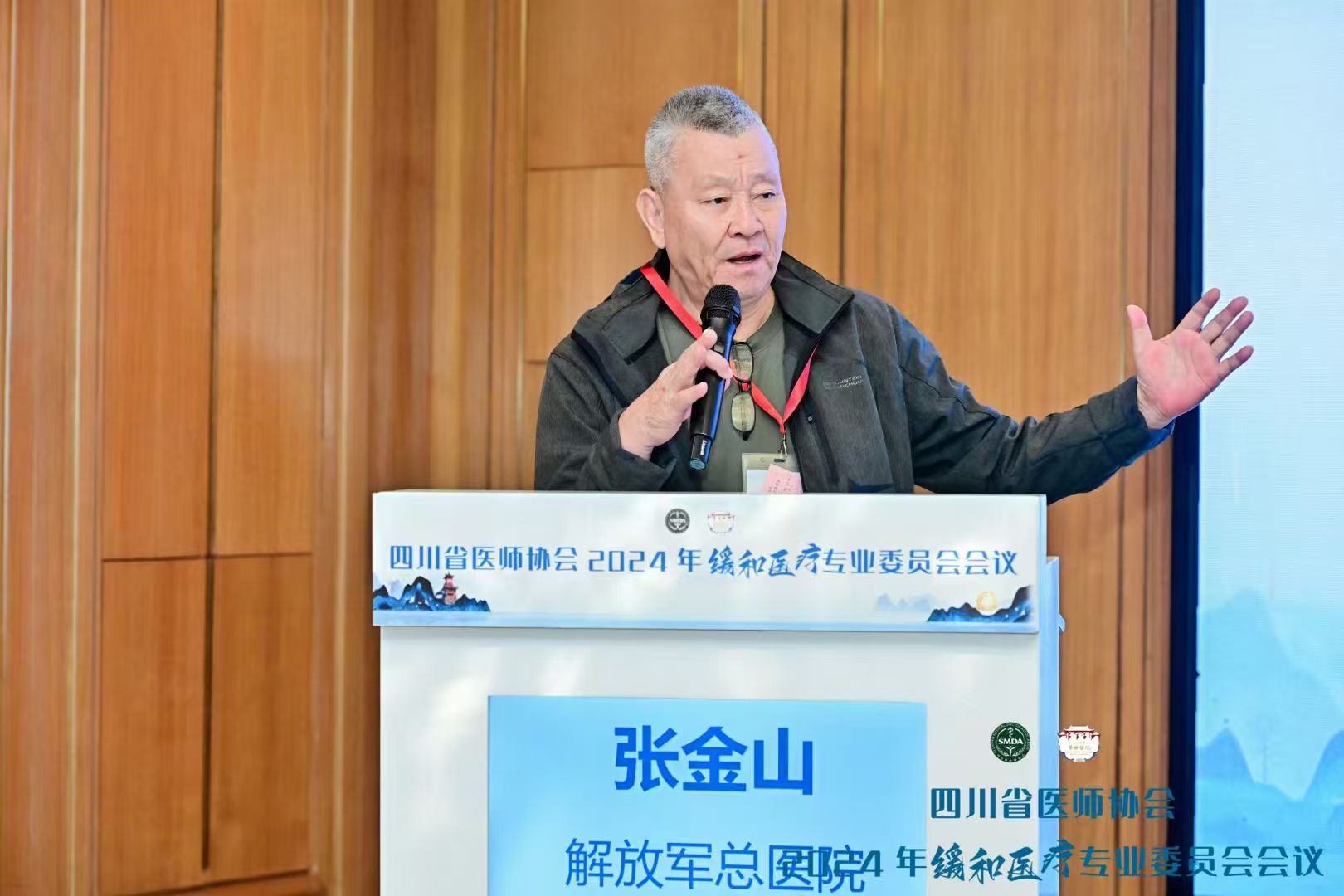
Professor Zhang Jinshan has long been dedicated to the field of medical imaging and has developed distinctive expertise in selective and superselective interventional diagnosis and treatment for solid tumors such as liver cancer, demonstrating exceptional technical proficiency and profound academic accomplishment. Beginning in the 1990s, he led his team in pioneering the clinical application and research of TIPSS and B-ORTO in China, filling major gaps in the domestic field and opening new paths for the interventional management of gastrointestinal bleeding caused by portal hypertension secondary to liver cirrhosis. In addition, he has made groundbreaking contributions to the interventional diagnosis and treatment of peripheral vascular diseases, as well as to preoperative embolization for spinal tumors.
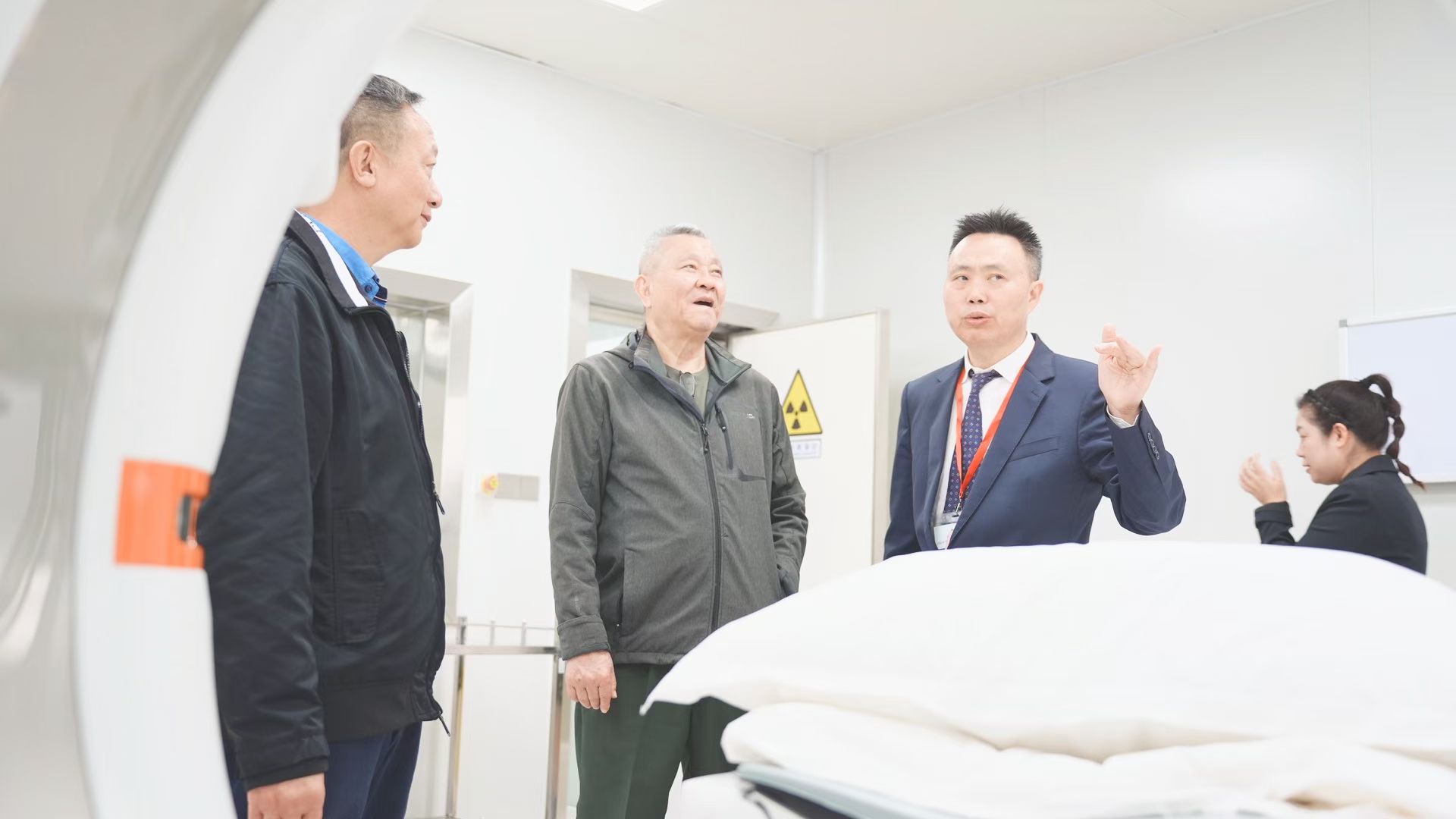
In the field of liver cancer treatment, Professor Zhang Jinshan not only led the development of standardized treatment protocols for liver cancer but also pioneered Transcatheter Arterial Chemoembolization with temporary Hepatic Vein Thrombosis (TACE-THVO) for primary liver cancer, bringing the efficacy of interventional therapy to a new level. In recognition of his outstanding clinical and scientific contributions, he was awarded the honorary title of “Chinese Master of Interventional Radiology” at the 2019 annual conference of the Chinese College of Interventionalists.
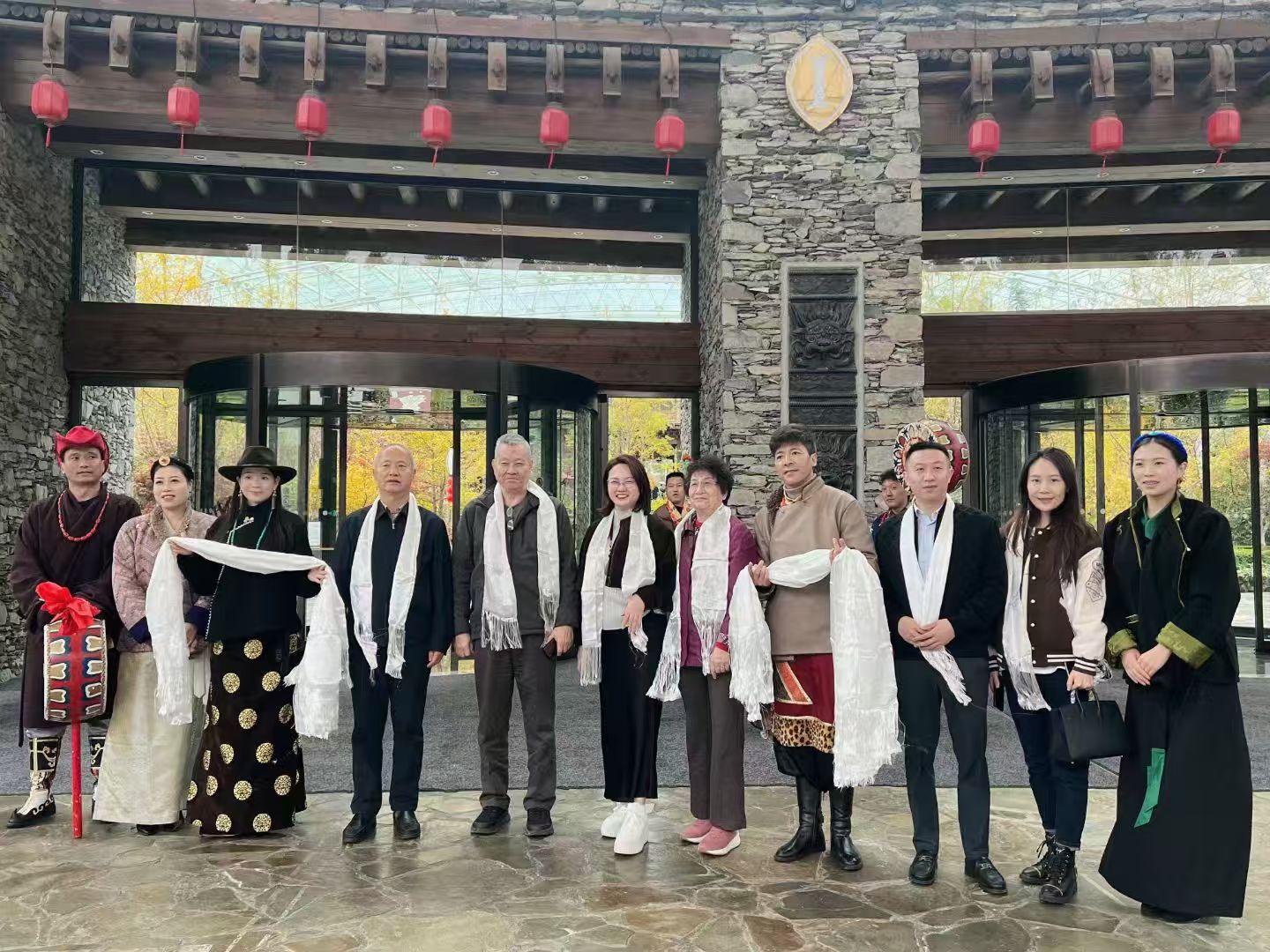
Professor Zhang Jinshan is not only a master clinician but also a driving force in the development of the discipline and a dedicated mentor in talent cultivation. He led his team in establishing one of China’s premier interventional therapy centers. As a doctoral supervisor, he has trained a large number of outstanding specialists and future leaders in interventional medicine, with many of his students and protégés now serving across the country. Academically, he has led multiple key national and military research projects, published more than 300 academic papers, and served as chief editor of three monographs, making remarkable contributions to the establishment of China’s academic framework for interventional medicine and the nationwide dissemination of its technologies.
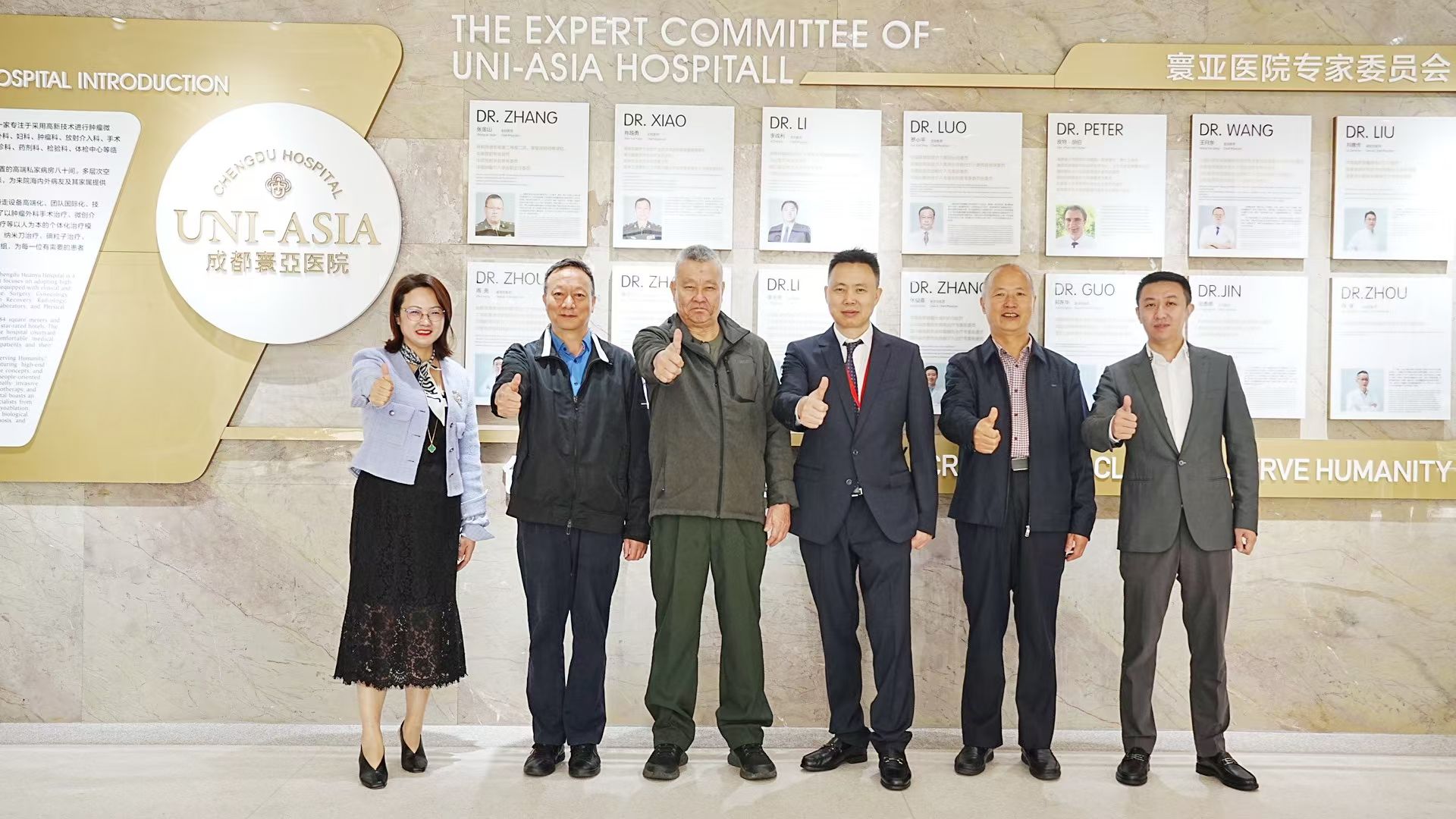
From the laboratory to the operating room, and from academic podiums to grassroots hospitals, Professor Zhang Jinshan has consistently upheld the principles of “pioneering, innovation, pragmatism, and compassion". He has devoted his life to fulfilling the mission of a physician—relieving patients’ suffering through minimally invasive techniques and advancing the discipline through academic excellence—thereby establishing himself as a truly towering figure and one of the foremost authorities in the field of interventional medicine in China.
Professor Zhang Jinshan has achieved prolific academic accomplishments, having published over 300 academic papers covering areas such as interventional therapy for liver cancer, minimally invasive treatment of portal hypertension, interventional treatment of vascular diseases, and tumor ablation.
1. Zhang Jinshan, Wang Maoqiang. Experiments and Clinical Studies of transjugular intrahepatic portosystemic stent shunt (TIPSS). Chinese Journal of Radiology, 1993,27(6):361-365.
Professor Zhang Jinshan is the first author. This is one of the early research papers in China that systematically elaborates on the TIPSS technique. Through animal experiments and clinical case analysis, it confirmed that TIPSS is a safe and effective minimally invasive method for treating portal hypertension and its complications, laying an important foundation for the promotion and application of this technique in China.
2.Zhang Jinshan, Li Huai. Clinical study on transcatheter arterial embolization with temporary hepatic vein occlusion for the treatment of primary liver cancer.Chinese Journal of Radiology, 1996,30(8):521-524.
Professor Zhang Jinshan is the first author. He innovatively proposed the technique of "transcatheter arterial embolization with temporary hepatic vein occlusion." Clinical results demonstrated that this method can significantly increase the drug concentration within liver cancer lesions, reduce damage to normal liver tissue, and effectively improve the therapeutic outcomes for intermediate and advanced liver cancer, providing a novel strategy for the interventional treatment of liver cancer.
3. Zhang Jinshan, Wang Maoqiang, Li Huai. Interventional treatment of Budd-Chiari syndrome. Chinese Journal of Medical Imaging Technology, 1998,14(3):189-191.
Professor Zhang Jinshan is the first author. This paper systematically summarizes the early experience in interventional treatment of Budd-Chiari syndrome in China, elaborating in detail on the key operational points and therapeutic efficacy of techniques such as percutaneous transluminal angioplasty and stent placement. It confirms that interventional therapy is the preferred minimally invasive method for Budd-Chiari syndrome, promoting the standardized development of treatment for this disease.
4.Zhang Jinshan, Li Huai, Wang Maoqiang. Clinical value of superselective hepatic arterial chemoembolization in the treatment of hypovascular liver cancer. Chinese Journal of Radiology, 2000,34(5):335-337.
Professor Zhang Jinshan is the first author. Addressing the challenges in interventional treatment of hypovascular liver cancer, this paper explores the clinical efficacy of superselective hepatic arterial chemoembolization. The results indicate that this technique can precisely target the lesions and improve the treatment response rate, providing an important clinical basis for the interventional treatment of hypovascular liver cancer.
5. Zhang Jinshan, Li Huai, Wang Maoqiang. Interventional treatment of peripheral vascular stenosis and occlusion.Chinese Journal of Radiology, 2002,36(7):612-614.
Professor Zhang Jinshan is the first author. This paper summarizes the interventional treatment experience of over 400 patients with peripheral vascular stenosis and occlusion, analyzing the indications and efficacy of techniques such as balloon angioplasty and stent placement. It confirms that interventional therapy is a safe and effective approach for peripheral vascular diseases, providing practical support for its clinical promotion.
6.Zhang Jinshan, Li Huai, Wang Maoqiang. Clinical application of CT-guided percutaneous puncture ablation in the treatment of abdominal tumors. Chinese Journal of Medical Imaging Technology, 2004,20(9):1395-1397.
Professor Zhang Jinshan is the first author. This paper explores the application value of CT-guided percutaneous puncture techniques such as radiofrequency ablation and chemical ablation in the treatment of abdominal tumors. The clinical results show that this method is minimally invasive with reliable efficacy, offering a minimally invasive treatment option for patients with inoperable abdominal tumors.
7.Zhang Jinshan, Wang Maoqiang, Li Huai. Advances in the application of interventional therapy for benign prostatic hyperplasia. Chinese Journal of Radiology, 2006,40(8):876-878.
Professor Zhang Jinshan is the corresponding author. This paper systematically reviews the cutting-edge advances in interventional therapy for benign prostatic hyperplasia, including the principles, procedures, and efficacy of techniques such as prostatic artery embolization and stent placement, providing new insights for the minimally invasive treatment of benign prostatic hyperplasia.
8.Zhang Jinshan, Li Huai, Wang Maoqiang. Discussion on the standardization of interventional therapy for liver cancer. Chinese Journal of Practical Surgery, 2008,28(10):856-858.
Professor Zhang Jinshan is the corresponding author. Drawing on years of clinical experience and research findings, he led the discussion on standardized protocols for interventional therapy of liver cancer, covering key aspects such as preoperative assessment, treatment modality selection, and postoperative management, providing important references for the formulation of clinical guidelines for interventional therapy of liver cancer in China.
1. Interventional Radiology (People's Military Medical Press, 1995): The first monograph in China to systematically discuss the theories and techniques of interventional radiology. It comprehensively elaborates on the interventional diagnosis and treatment system for tumors, vascular diseases, and non-vascular diseases, becoming a classic essential textbook for interventional physicians in China.
2.Interventional Therapy for Liver Cancer (People's Health Press, 2001): Focusing on minimally invasive interventions for liver cancer, this book systematically summarizes techniques such as TACE, ablation, and vascular intervention, refines operational standards and the prevention and management of complications, and promotes the standardization of interventional therapy for liver cancer.
3.Interventional Treatment of Portal Hypertension (Science Press, 2005): This book systematically elaborates on minimally invasive techniques for portal hypertension, such as TIPSS and B-ORTO, covering experimental research, clinical procedures, long-term follow-up, and efficacy evaluation, filling the gap in monographs on interventional treatment of portal hypertension in China.
1.The National "Eighth Five-Year Plan" Scientific and Technological Key Project—Clinical and Basic Research on Comprehensive Interventional Therapy for Liver Cancer (Project Leader): This project systematically explored multimodal interventional strategies for liver cancer, established the core regimen of superselective TACE combined with local ablation, and significantly improved the therapeutic outcomes for intermediate and advanced liver cancer.
2.The Military "Ninth Five-Year Plan" Key Medical Scientific Research Project—Standardized Research on TIPSS for the Treatment of Portal Hypertension (Project Leader): This project formulated China's first operational standards and postoperative management guidelines for TIPSS, reduced the incidence of complications, and promoted the popularization of this technique throughout the military and across the country.
3.National Natural Science Foundation of China Project — Research on the Mechanism of Targeted Therapy for Liver Cancer Using Hepatic Vein Occlusion Combined with Chemoembolization (Project Leader): This project revealed the synergistic enhancement mechanisms of the innovative technique at the levels of hemodynamics, drug metabolism, and the tumor microenvironment, providing theoretical support for precision interventional therapy of liver cancer.
4.Military Clinical High-Tech Major Project-Establishment and Clinical Application of the Interventional Treatment Technology System for Complex Vascular Diseases (Project Leader): This project overcame interventional challenges in complex lesions such as Budd-Chiari syndrome, peripheral vascular occlusion, and vascular malformations, forming a complete technical system that has been promoted and applied widely.