Specjalistyczny Szpital Ortopedyczny KDMS
Specjalistyczny Szpital Ortopedyczny KDMS
Tajlandia, Bangkok
Jirachai Pisutbenya
19 lat doświadczenia
Akredytacje :
Operacje kręgosłupa w Tajlandii kosztują zazwyczaj od $10,700 / 363,800฿ do $24,100 / 819,400฿. Ostateczne ceny zależą od złożoności zabiegu, lokalizacji szpitala oraz wykorzystania specjalistycznej technologii, takiej jak wsparcie robotyczne czy techniki małoinwazyjne. Pacjenci mogą liczyć na oszczędności rzędu 30-80% w porównaniu do Stanów Zjednoczonych.
Typowe koszty operacji kręgosłupa w Tajlandii
Większość pacjentów zagranicznych wybiera placówki z akredytacją JCI w Bangkoku lub Phuket. Podczas gdy Bangkok pozostaje głównym ośrodkiem skomplikowanej neurochirurgii, placówki w Phuket oferują przystępne opcje planowej opieki nad kręgosłupem. Skonsultuj się ze specjalistą, aby uzyskać dokładną wycenę dla swojego konkretnego przypadku.
| Tajlandia | Turcja | Austria | |
| Wertebroplastyka | ≈ $2,600 / 88,400฿ | od $4,000 / 136,000฿ | ≈ $4,500 / 153,000฿ |
| Usunięcie przepukliny międzykręgowej wraz z diagnostyką przedoperacyjną. | od $13,500 / 459,000฿ | od $5,000 / 170,000฿ | ≈ $9,500 / 323,000฿ |
| Usunięcie przepukliny międzykręgowej | od $12,500 / 425,000฿ | od $5,000 / 170,000฿ | ≈ $9,500 / 323,000฿ |
| Przednia discektomia szyjna z zespoleniem | od $7,000 / 238,000฿ | od $9,800 / 333,200฿ | ≈ $13,500 / 459,000฿ |
| Otwarta środkowa dekompresja kręgosłupa z rekonstrukcją więzadeł | ≈ $9,500 / 323,000฿ | ≈ $5,500 / 187,000฿ | ≈ $11,500 / 391,000฿ |
Państwo nie płacą za usługi Bookimed. Ceny leczenia chirurgii kręgosłupa na stronie odpowiadają cennikowi kliniki. Płatność dokonywana jest bezpośrednio w klinice po przyjeździe. Dostępna jest płatność w ratach.
Bookimed dba o Państwa bezpieczeństwo. Współpracujemy tylko z klinikami spełniającymi wysokie międzynarodowe standardy w przeprowadzaniu chirurgii kręgosłupa. Posiadają one wymagane licencje do obsługi pacjentów międzynarodowych na całym świecie.
Bookimed oferuje bezpłatną pomoc i wsparcie. Osobisty koordynator medyczny pozostaje w kontakcie przed, w trakcie i po podróży. Przy przechodzeniu procedur w chirurgii kręgosłupa zawsze można liczyć na nasze wsparcie.
Dr Thanaphat Pomyukon jest chirurgiem przewodu pokarmowego i chirurgiem ogólnym w Mali Interdisciplinary Hospital w Bangkoku. Ukończył prestiżowy Uniwersytet Chulalongkorn. Dr Pomyukon posiada dyplom Tajskiej Rady Chirurgii Ogólnej uzyskany w szpitalu Roi Et. Leczy choroby układu pokarmowego, guzki piersi oraz kamicę żółciową.
Dr Natthaphon Srithurawanit jest specjalistą medycyny regeneracyjnej w Mali Interdisciplinary Hospital w Bangkoku. Łączy medycynę konwencjonalną z medycyną precyzyjną w leczeniu przewlekłych chorób niezakaźnych. Dr Srithurawanit koncentruje się na skracaniu czasu gojenia poprzez techniki regeneracyjne w placówce akredytowanej przez GHA.
Dr Koravee Wirojskoolchai jest certyfikowanym chirurgiem ogólnym w szpitalu PMG w Bangkoku. Ukończył studia medyczne na Uniwersytecie Rangsit. Jego główna certyfikacja pochodzi ze szpitala Somdech Phra Pinklao, Wydziału Medycznego Królewskiej Marynarki Wojennej Tajlandii. Dr Wirojskoolchai posiada również certyfikat w dziedzinie medycyny przeciwstarzeniowej i żywieniowej.
Dr Yosawat Tangtrongchit jest chirurgiem ortopedą. Posiada specjalistyczną wiedzę z zakresu chirurgii kręgosłupa.
Uzyskał tytuł lekarza na Wydziale Lekarskim Szpitala Siriraj Uniwersytetu Mahidol (2002–2008). Posiada dyplom Tajskiej Rady Chirurgii Ortopedycznej ze szpitala Phramongkutklao (2011–2015). Ukończył staż kliniczny z zakresu chirurgii kręgosłupa w Szpitalu Pamięci Króla Chulalongkorna (2024–2025).
Zaprojektowane przez Freepik
Chirurgia kręgosłupa to specjalistyczna dziedzina skupiająca się na leczeniu schorzeń kręgosłupa, w tym przepuklin krążka międzykręgowego, stenozy kanału kręgowego, skoliozy, złamań oraz nowotworów kręgosłupa.
Głównym celem jest odciążenie nerwów, przywrócenie stabilności oraz redukcja przewlekłego bólu pleców lub szyi, gdy leczenie zachowawcze przestaje przynosić efekty.
👉 Mówiąc prościej, kręgosłup działa jak wysoka, elastyczna wieża z kości, chroniąca „autostradę nerwową” organizmu — rdzeń kręgowy. Gdy jedno „piętro” tej wieży zapada się lub uciska nerw, operacja przywraca jej kształt i równowagę, dzięki czemu system może znów sprawnie funkcjonować.
W ciągu ostatnich 20 lat chirurgia kręgosłupa ewoluowała od otwartych zabiegów z dużymi nacięciami do technik małoinwazyjnych i wspomaganych robotycznie, co pozwala chirurgom docierać do problematycznych obszarów przez małe otwory przy minimalnym uszkodzeniu tkanek.
Przed zaleceniem operacji kręgosłupa tajscy lekarze przeprowadzają szczegółowe badania neurologiczne i obrazowe, aby upewnić się, że zabieg będzie bezpieczny i korzystny.
❗Operacja jest zazwyczaj ostatecznością, gdy leki, fizjoterapia lub zastrzyki nie przynoszą już ulgi w bólu ani nie przywracają sprawności ruchowej.
Osoby, które zazwyczaj odnoszą korzyści z operacji kręgosłupa w Tajlandii, to pacjenci, którzy:
Odczuwają przewlekły ból pleców lub szyi, który utrzymuje się ponad 3–6 miesięcy mimo leczenia nieoperacyjnego.
Doświadczają objawów ucisku na nerwy, takich jak drętwienie, mrowienie lub osłabienie rąk lub nóg.
Mają schorzenia zwyrodnieniowe (przepukliny krążka międzykręgowego, stenoza kanału kręgowego, kręgozmyk) potwierdzone badaniem MRI lub TK.
Cierpią na deformacje kręgosłupa, takie jak skolioza lub kifoza, które wpływają na postawę lub oddychanie.
Doznali złamań kręgosłupa lub niestabilności po urazie.
Są ogólnie w stanie zdrowia pozwalającym na znieczulenie i rehabilitację.
Operacja kręgosłupa może nie być odpowiednia dla pacjentów, którzy:
Odczuwają łagodny ból, który można kontrolować za pomocą fizjoterapii lub leków.
Wykazują rozległe zmiany zwyrodnieniowe lub osteoporozę, które mogłyby utrudnić gojenie się kości.
Mają aktywne infekcje, ciężką otyłość lub niekontrolowaną cukrzycę, co zwiększa ryzyko operacyjne.
Prezentują ciężkie choroby układu krążenia lub oddechowego, co czyni znieczulenie niebezpiecznym.
Oczekują nierealistycznych rezultatów lub nie mogą zaangażować się w wymagany program rehabilitacji.
✅ Najlepsi specjaliści od chirurgii kręgosłupa w Tajlandii przeprowadzają pełną diagnostykę — w tym MRI, RTG, badania krwi, a czasem elektromiografię — przed potwierdzeniem kwalifikacji. Zapewnia to, że każdy pacjent otrzymuje najbardziej odpowiednią i możliwie małoinwazyjną opcję leczenia.
Zaprojektowane przez Freepik
Tajlandia stała się jednym z najbardziej zaufanych kierunków w Azji w zakresie chirurgii kręgosłupa, przyciągając pacjentów z Australii, Bliskiego Wschodu i Europy, którzy poszukują opieki światowej klasy w rozsądnej cenie. Pacjenci poszukujący najlepszego szpitala chirurgii kręgosłupa w Tajlandii znajdą tam wiele międzynarodowo akredytowanych ośrodków specjalizujących się w zaawansowanej opiece nad kręgosłupem.
💡 Sektor turystyki medycznej w tym kraju przekroczył kilkaset milionów USD w 2024 roku i stale rośnie w kierunku 2030 roku, wspierany przez silne inwestycje rządowe i nowoczesną infrastrukturę szpitalną.
Tajlandia przoduje w Azji z ponad 60 szpitalami akredytowanymi przez Joint Commission International (JCI), co gwarantuje globalne standardy bezpieczeństwa pacjenta, higieny i jakości chirurgicznej.
✅ Prywatne szpitale w Bangkoku i Phuket przestrzegają tych samych protokołów operacyjnych, co w USA i Europie, oferując całodobowe oddziały intensywnej terapii i zaawansowaną diagnostykę obrazową.
Tajscy chirurdzy ortopedzi i neurochirurdzy kręgosłupa posiadają licencje Medical Council of Thailand i często szkolili się w światowych ośrodkach w Wielkiej Brytanii, Japonii lub USA.
Wielu z nich jest członkami Asia Pacific Spine Society (APSS), American Academy of Orthopaedic Surgeons (AAOS) lub AO Spine International (AOSpine), co zapewnia ciągłe kształcenie i doświadczenie w złożonych przypadkach, takich jak korekcja skoliozy czy rewizyjne operacje kręgosłupa.
Szpitale chirurgii kręgosłupa w Tajlandii wykorzystują systemy robotyczne i nawigacyjne (MAZOR, ROSA), śródoperacyjne tomografy komputerowe oraz neuromonitoring w czasie rzeczywistym, aby chronić nerwy i poprawiać precyzję.
Wysokiej jakości implanty od Zimmer Biomet, Medtronic oraz Stryker są powszechnie dostępne, co pozwala na indywidualne rozwiązania dla każdego pacjenta.
W przeciwieństwie do wielu systemów zachodnich, gdzie pacjenci czekają tygodniami lub miesiącami na operację, w Tajlandii zabiegi można zaplanować w ciągu 7–14 dni od oceny przedoperacyjnej.
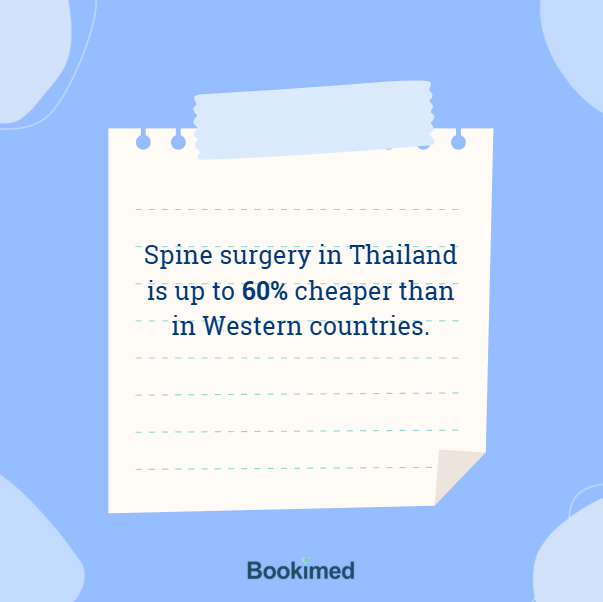
Koszt operacji kręgosłupa w Tajlandii zazwyczaj waha się od 8 000 do 18 000 USD, w zależności od procedury i użytej technologii, co jest do 60% taniej niż w USA czy Australii.
💚 Pakiety zazwyczaj obejmują konsultacje, operację, pobyt w szpitalu oraz wizyty kontrolne.
Pacjenci wracają do zdrowia w komfortowych, hotelowych warunkach szpitalnych lub pobliskich kurortach. Centra rehabilitacji w Phuket, Chiang Mai i Bangkoku zapewniają spersonalizowane programy fizjoterapii, aby przyspieszyć powrót do zdrowia i zredukować ból w spokojnym, tropikalnym otoczeniu.
💚 Za pośrednictwem Bookimed pacjenci mogą porównać zweryfikowane szpitale chirurgii kręgosłupa, przeczytać prawdziwe opinie i uzyskać dostęp do ekskluzywnych zniżek na pakiety — często niższych niż bezpośrednie ceny w klinikach.
Pakiety operacji kręgosłupa w Tajlandii są skonstruowane tak, aby uczynić leczenie bezproblemowym dla pacjentów międzynarodowych — od diagnozy po rekonwalescencję.
💡 Chociaż większość dużych szpitali obejmuje usługi podstawowe, niektóre dodatki, takie jak wsparcie robotyczne czy przedłużona rehabilitacja, mogą się różnić.
| Najprawdopodobniej w cenie | Wymaga potwierdzenia |
| Diagnostyka przedoperacyjna — MRI, TK, RTG, badania krwi, EKG. | Dostępność nawigacji 3D TK lub śródoperacyjnego neuromonitoringu. |
| Konsultacja z chirurgiem kręgosłupa i anestezjologiem. | Dodatkowe opinie specjalistów (neurolog, kardiolog). |
| Operacja w znieczuleniu ogólnym (małoinwazyjna lub otwarta). | Dopłata za technikę robotyczną lub laserową. |
| Pobyt w szpitalu (zazwyczaj 3–7 dni, w tym posiłki i opieka pielęgniarska). | Usługi OIT, podwyższenie standardu pokoju lub przedłużona hospitalizacja. |
| Użycie standardowego implantu kręgosłupa lub systemu stabilizacji. | Konkretna marka implantu — Zimmer Biomet, Medtronic lub Stryker. |
| Leki i leczenie przeciwbólowe podczas pobytu w szpitalu. | Leki do domu lub długoterminowe recepty. |
| Dwie wizyty kontrolne po operacji przed wypisem. | Zdalna lub tele-kontrola po powrocie do domu. |
| Podstawowa fizjoterapia i nauka poruszania się. | Rozszerzona rehabilitacja lub sesje hydroterapii. |
| Transfery lotnisko–szpital. | Zakwaterowanie w hotelu, transfery miejskie i pomoc w rekonwalescencji. |
| Anglojęzyczny koordynator międzynarodowy. | Tłumacze innych języków (dostępni przez Bookimed). |
💚 Rezerwacja przez Bookimed daje dostęp do zweryfikowanych szpitali partnerskich oferujących zniżkowe pakiety operacji kręgosłupa, przejrzyste wyceny i osobistą koordynację podczas całego wyjazdu medycznego.
Kraj oferuje pełen zakres procedur kręgosłupowych — od małoinwazyjnej dekompresji po zaawansowaną korekcję i leczenie nowotworów.
💡 Nowoczesne szpitale w Bangkoku, Phuket i Chiang Mai wykorzystują systemy nawigacyjne i robotyczne (MAZOR, ROSA) w celu poprawy precyzji i bezpieczeństwa, a certyfikowani chirurdzy kręgosłupa łączą wiedzę neurochirurgiczną i ortopedyczną.
Szpitale takie jak te w Bangkoku i Phuket są uznawane za jedne z najlepszych szpitali chirurgii kręgosłupa w Tajlandii, wyposażone do laserowych operacji kręgosłupa i innych opcji małoinwazyjnych.
Badania kliniczne potwierdzają, że wyniki w Tajlandii odpowiadają światowym standardom. Obszerna analiza małoinwazyjnej chirurgii kręgosłupa (MISS) wykazała skuteczność fuzji u ponad 80–98% pacjentów, przy szybszym powrocie do zdrowia i krótszym pobycie w szpitalu — zazwyczaj o 2–4 dni krótszym niż w przypadku metod otwartych.
Inne badania pokazują, że dekompresja kręgosłupa w przypadku stenozy lędźwiowej zapewnia 70–80% ulgi w bólu w ciągu pierwszego miesiąca, podczas gdy operacja korekcji skoliozy osiąga około 78% korekcji krzywizny, która pozostaje stabilna przez lata.
| Typ procedury | Cel / Opis | Typowa rekonwalescencja |
| Małoinwazyjna chirurgia kręgosłupa (MISS) | Wykonywana przez małe nacięcia przy użyciu retraktorów rurowych w celu zmniejszenia urazu tkanek i utraty krwi. Powszechna przy przepuklinach i stenozie. | 1–3 dni w szpitalu; powrót do lekkiej aktywności w 2–4 tygodnie. |
| Operacja dekompresji kręgosłupa | Uwalnia ucisk na nerwy poprzez usunięcie fragmentów kości lub dysku (laminektomia lub mikrodiscektomia). | 2–5 dni w szpitalu; powrót do sprawności w 3–6 tygodni. |
| Chirurgiczne leczenie skoliozy | Koryguje nieprawidłowe skrzywienie kręgosłupa za pomocą prętów, śrub i przeszczepów kostnych dla poprawy postawy. | 5–7 dni w szpitalu; pełny powrót do zdrowia w 6–12 miesięcy. |
| Chirurgiczne leczenie radikulopatii | Usuwa źródło ucisku korzenia nerwowego, łagodząc ból, drętwienie lub osłabienie kończyn. | 2–4 dni w szpitalu; ulga w objawach często w ciągu kilku dni. |
| Wertebroplastyka / Kifoplastyka | Stabilizuje złamania kręgów spowodowane osteoporozą lub nowotworami poprzez wstrzyknięcie cementu kostnego. | Zazwyczaj ambulatoryjnie lub 1-dniowy pobyt; ulga w bólu w ciągu 24h. |
| Operacja jamistości rdzenia | Dekompresuje lub drenuje wypełnione płynem torbiele (syrinx) w rdzeniu kręgowym, aby zapobiec pogorszeniu neurologicznemu. | 4–7 dni w szpitalu; kontrolne MRI po 3 miesiącach. |
| Embolizacja / Resekcja guza kręgosłupa | Zmniejsza dopływ krwi do guza przed usunięciem lub bezpośrednio usuwa guzy kręgosłupa, aby złagodzić ucisk i ból. | 5–10 dni w szpitalu, w zależności od typu i rozmiaru guza. |
| Fuzja kręgosłupa lub wymiana dysku | Stabilizuje lub wymienia uszkodzone kręgi/dyski za pomocą przeszczepów kostnych lub sztucznych implantów. Powszechne przy schorzeniach zwyrodnieniowych. | 4–6 dni w szpitalu; powrót do zdrowia w 2–3 miesiące. |
💡 W Tajlandii operacje kręgosłupa są wykonywane zgodnie z surowymi międzynarodowymi standardami bezpieczeństwa, a pooperacyjna fizjoterapia jest wliczona w większość programów rehabilitacyjnych, aby pomóc pacjentom szybciej odzyskać stabilność i mobilność.
Operacja kręgosłupa w Tajlandii odbywa się w międzynarodowo akredytowanych szpitalach, które łączą zaawansowaną technologię z multidyscyplinarną opieką nad kręgosłupem.
| Etap | Co się dzieje |
| 1. Ocena przedoperacyjna | MRI, TK i badania krwi pomagają zidentyfikować schorzenia kręgosłupa, takie jak stenoza, skolioza czy guzy. Chirurdzy opracowują indywidualny plan przywrócenia stabilności kręgosłupa i złagodzenia bólu. |
| 2. Znieczulenie i ułożenie | Podawane jest znieczulenie ogólne. Pacjent jest starannie układany, aby zapewnić pełny dostęp do operowanego segmentu kręgosłupa przy minimalnym ucisku tkanek — co jest kluczowe w procedurach małoinwazyjnych i endoskopowych. |
| 3. Dostęp chirurgiczny | Wykonuje się małe nacięcia w przypadku endoskopowej operacji kręgosłupa lub fuzji lędźwiowej. Standardowe podejścia stosuje się przy korekcji deformacji lub usuwaniu guzów. |
| 4. Główne leczenie |
|
| 5. Umieszczenie implantu | Wysokiej jakości implanty od Zimmer Biomet, Medtronic i Stryker są używane do wzmocnienia kręgosłupa i przywrócenia równowagi. |
| 6. Zamknięcie i monitorowanie | Nacięcie zamyka się szwami wchłanialnymi. Pacjenci są monitorowani na wyspecjalizowanych oddziałach pooperacyjnych lub intensywnej terapii w celu kontroli bólu i funkcji neurologicznych. |
Większość operacji kręgosłupa w Tajlandii trwa 2–5 godzin, w zależności od złożoności.
💚 Za pośrednictwem Bookimed pacjenci międzynarodowi mogą porównać zweryfikowane kliniki, uzyskać dostęp do przejrzystych pakietów kosztów operacji kręgosłupa w Tajlandii oraz otrzymać wsparcie podczas całego leczenia i rekonwalescencji.
Rekonwalescencja ma na celu pomóc pacjentom w szybkim i bezpiecznym odzyskaniu sprawności. Multidyscyplinarne zespoły chirurgów kręgosłupa, fizjoterapeutów i specjalistów od bólu prowadzą każdy etap gojenia, koncentrując się na redukcji bólu i przywracaniu funkcji.
Rehabilitacja zazwyczaj rozpoczyna się w ciągu 24–48 godzin. W przypadku małoinwazyjnej chirurgii kręgosłupa pobyt w szpitalu jest krótszy, a mobilność wraca szybciej w porównaniu z tradycyjnymi metodami otwartymi.
| Etap rekonwalescencji | Typowy postęp |
| Dzień 1–2 | Rozpoczęcie delikatnego ruchu i chodzenia z pomocą. Ból kontrolowany lekami. |
| Dni 3–5 | Wypis z indywidualnym planem fizjoterapii i zaleceniami dotyczącymi ruchu. |
| Tydzień 1–2 | Zmniejszenie obrzęku i sztywności; zalecane codzienne rozciąganie i spacery. |
| Tydzień 4–6 | Większość pacjentów wraca do normalnych zajęć i lekkiej pracy. |
| Miesiąc 3–6 | Osiągnięcie pełnej sprawności; kontrola (online lub osobista) potwierdza stabilność kręgosłupa. |
Wiele szpitali zapewnia również hydroterapię, sesje wzmacniające mięśnie i korekcję postawy, aby wspierać długoterminowe zdrowie kręgosłupa.
💚 Pacjenci rezerwujący przez Bookimed mogą uzyskać dostęp do ustrukturyzowanych pakietów rehabilitacyjnych, w tym fizjoterapii i opieki pooperacyjnej, w zweryfikowanych szpitalach oferujących leczenie kręgosłupa o międzynarodowym standardzie.
Procedury kręgosłupowe w Tajlandii są wykonywane zgodnie z surowymi protokołami chirurgicznymi i higienicznymi porównywalnymi z tymi w krajach zachodnich. Sale operacyjne wykorzystują obrazowanie w czasie rzeczywistym, neuromonitoring i systemy filtracji powietrza, aby utrzymać precyzję i sterylność podczas całej operacji.
Dane kliniczne z długoterminowych obserwacji w tajskich szpitalach wykazują 95–98% skuteczności w przypadku operacji fuzji i dekompresji kręgosłupa, przy czym większość pacjentów zgłasza znaczną redukcję bólu i przywrócenie mobilności.
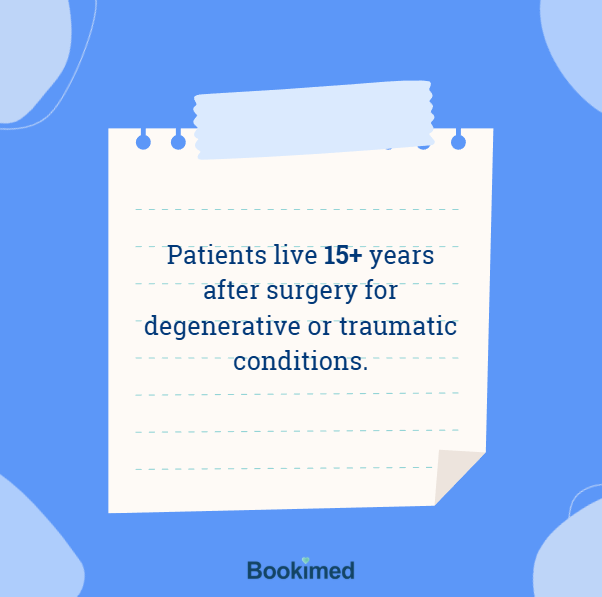
👉 Operacja kręgosłupa w schorzeniach zwyrodnieniowych lub urazowych jest bardzo bezpieczna, a większość pacjentów żyje co najmniej 15 lat po zabiegu.
Drobne infekcje rany lub krwawienie;
Krótkotrwałe drętwienie lub podrażnienie nerwów;
Poluzowanie implantu lub konieczność rewizyjnej operacji kręgosłupa w złożonych przypadkach.
Tajscy chirurdzy kręgosłupa nieustannie aktualizują swoje metody poprzez międzynarodowe staże i programy szkoleniowe w USA, Japonii i Europie — zapewniając aktualną wiedzę i bezpieczny powrót do zdrowia dla pacjentów.
💚 Zweryfikowane szpitale współpracujące z Bookimed dzielą się przejrzystymi danymi o wynikach leczenia i zapewniają dedykowane wsparcie pooperacyjne dla turystów medycznych poszukujących zaawansowanej opieki nad kręgosłupem w Tajlandii.
Szpitale tajlandzkie zgłaszają wskaźniki sukcesu na poziomie od 85% do 95% w przypadku standardowych zespoleń kręgosłupa. Procedury minimalnie inwazyjne często osiągają 95% skuteczności dzięki niższemu ryzyku zakażeń. Placówki akredytowane przez JCI w Bangkoku i Pattaya używają technologii Medtronic, aby zapewnić międzynarodowe standardy bezpieczeństwa w skomplikowanych przypadkach kręgosłupa.
Ekspercka opinia Bookimed: Tajskie ośrodki ortopedyczne świadczą o wysokiej korelacji między liczbą pacjentów a stabilnością wyników. Szpital Bumrungrad International przyjmuje rocznie 1 000 000 pacjentów. Ta ogromna skala umożliwia chirurgom doskonalenie technik w środowiskach o wysokiej intensywności. Kliniki z ponad 50 specjalistycznymi lekarzami zazwyczaj oferują bardziej przewidywalne wyniki w przypadku operacji skoliozy i dysków.
Opinia pacjentów: Pacjenci zauważają, że wyniki są najbardziej wiarygodne, kiedy unika się skomplikowanych rewizji, jeśli mają oni problemy zdrowotne. Wielu podkreśla, że zdalny przegląd MRI przez specjalistów pomaga potwierdzić 95% potencjał sukcesu przed podróżą.
Tajscy chirurdzy kręgosłupa są wysoce wykwalifikowani do przeprowadzania zaawansowanych zabiegów, takich jak chirurgia endoskopowa i korekcja skoliozy. Wielu z nich posiada stypendia z prestiżowych instytucji, takich jak Yale School of Medicine czy UCLA. Wiodące placówki w Bangkoku posiadają akredytację JCI i wykorzystują zaawansowane systemy nawigacji Stryker i Medtronic do skomplikowanych przypadków.
Wgląd eksperta Bookimed: Tajskie centra ortopedyczne wykazują silny wzorzec międzynarodowej współpracy. Na przykład dr Wuttichai Sutantavibul ukończył specjalistyczne stypendia zarówno w Korei Południowej, jak i Japonii w samym 2023 roku. Takie nieustanne szkolenia międzynarodowe zapewniają, że pacjenci w Bangkoku otrzymują takie same techniki mikroendoskopowe i przezskórne, jakie stosuje się w najbardziej zaawansowanych technologicznie ośrodkach medycznych na świecie.
Konsensus pacjentów: Pacjenci zauważają, że chirurdzy często posiadają stypendia w czołowych zachodnich instytucjach, takich jak Mayo Clinic. Wielu sugeruje zorganizowanie najpierw wideokonsultacji, aby potwierdzić styl komunikacji i kompetencje chirurga.
Prywatne szpitale w Tajlandii nie mają znaczących list oczekujących na zabiegi kręgosłupa. Pacjenci międzynarodowi często umawiają się na planowe operacje, takie jak discektomie czy fuzje, w ciągu kilku dni. Te akredytowane przez JCI placówki kontrastują wyraźnie z długim czasem oczekiwania w publicznej opiece zdrowotnej. Pacjenci zazwyczaj kończą konsultacje i diagnostykę w ciągu 1 tygodnia.
Wnioski eksperckie Bookimed: Dane sugerują, że duży przepływ pacjentów w głównych ośrodkach skraca rzeczywiście czas oczekiwania. Szpitale takie jak Bumrungrad International obsługują 1 milion pacjentów rocznie i zatrudniają 1 300 lekarzy. Ta ogromna infrastruktura pozwala im na jednoczesne prowadzenie wielu sal operacyjnych. Dla pacjentów oznacza to, że fuzję lędźwiową można umówić we wtorek na operację w piątek.
Konsensus pacjentów: Pacjenci często są zaskoczeni, że mogą odbyć konsultację w poniedziałek i operację w następnym tygodniu. Zwracają uwagę, że szybkość w tajskich szpitalach prywatnych jest dużą ulgą w porównaniu do miesięcy oczekiwania w kraju.
Minimalnie inwazyjna chirurgia kręgosłupa jest szeroko dostępna w Tajlandii w placówkach akredytowanych przez JCI. Chirurdzy wykonują zaawansowane procedury, takie jak endoskopowa dyscektomia i wspomagana robotycznie fuzja. Techniki te wykorzystują małe nacięcia, aby zredukować uszkodzenia tkanek. Większość pacjentów doświadcza szybszych czasów rekonwalescencji od 1 do 2 tygodni w porównaniu z tradycyjną chirurgią.
Wgląd Ekspertów Bookimed: Dane z bangkockich szpitali, takich jak KDMS Specialized Orthopedic Hospital, pokazują trend w kierunku hiperspecjalizacji. Wysoko oceniane kliniki często poświęcają całe piętra konkretnym patologiom kręgosłupa, a nie ogólnej ortopedii. Takie skupienie sprzętu i wyspecjalizowanego personelu pomaga chirurgom utrzymać wysoką liczbę procedur przy złożonych przypadkach MIS.
Konsensus Pacjentów: Pacjenci podkreślają znaczenie przeprowadzania przeglądu obrazowania przedoperacyjnego przez wielu specjalistów. Zwracają uwagę, że weryfikacja doświadczenia chirurga z ponad 200 przypadkami MIS rocznie prowadzi do bardziej przewidywalnych wyników.
Większość pacjentów musi pozostać w Tajlandii od 7 do 21 dni po operacji kręgosłupa. Dokładny czas trwania zależy od rodzaju zabiegu i postępów w rekonwalescencji. Chirurdzy w placówkach akredytowanych przez JCI, takich jak Bumrungrad International Hospital, wymagają tego okresu, aby monitorować powikłania i zapewnić bezpieczeństwo lotu.
Ekspercka opinia Bookimed: Dane pokazują, że wybór dedykowanej placówki, takiej jak KDMS Specialized Orthopedic Hospital, może usprawnić rekonwalescencję. Te wyspecjalizowane ośrodki często mają większą liczbę pacjentów ortopedycznych niż szpitale ogólne. To skupienie prowadzi do bardziej efektywnych protokołów pooperacyjnych. Pacjenci powinni sprawdzić, czy ich pakiet obejmuje lokalne transfery na kontrolę ran. Ten drobny szczegół znacząco zmniejsza obciążenie fizyczne w krytycznych pierwszych 2 tygodniach.
Konsensus pacjentów: Pacjenci podkreślają znaczenie rezerwacji elastycznego zakwaterowania w pobliżu szpitala, aby zapewnić łatwy dostęp do codziennych kontroli ran. Wielu sugeruje dodanie 3 do 5 dni zapasowych do swojego pobytu, aby pozwolić na ustąpienie nieoczekiwanego obrzęku przed powrotem do domu.
Lot do domu krótko po operacji kręgosłupa jest zazwyczaj bezpieczny, jeśli przestrzegasz określonych terminów klinicznych. Większość chirurgów w Tajlandii zaleca odczekanie od 4 do 6 tygodni przed podróżą międzynarodową. Okres ten pozwala na wstępne wygojenie i zmniejsza ryzyko wystąpienia zakrzepicy żył głębokich (DVT) lub silnych napadów bólu.
Opinia eksperta Bookimed: Tajskie szpitale ortopedyczne, takie jak KDMS Specialized Orthopedic Hospital, koncentrują się wyłącznie na schorzeniach kości i stawów. Ta specjalizacja często skutkuje bardziej konserwatywnymi, bezpiecznymi oknami czasowymi na podróż. Nasze dane pokazują, że kliniki z dużą liczbą pacjentów międzynarodowych, takie jak Sikarin Hospital, często uwzględniają specjalistyczny monitoring pooperacyjny, aby zapewnić, że pacjenci bezpiecznie spełniają kryteria gotowości do lotu.
Konsensus pacjentów: Pacjenci podkreślają, że zmiany ciśnienia w kabinie mogą powodować nieoczekiwany obrzęk pleców i dyskomfort. Wielu podróżnych sugeruje rezerwację miejsc przy przejściu, aby ułatwić wstawanie i rozciąganie się podczas długich lotów do domu.
Typowe pakiety operacji kręgosłupa w Tajlandii obejmują główny zabieg, opłaty za salę operacyjną i standardowe znieczulenie. Większość planów obejmuje pobyt w szpitalu od 3 do 5 nocy w prywatnym pokoju. Testy diagnostyczne, takie jak zdjęcia rentgenowskie lub tomografia komputerowa, są często pakietowane, aby ułatwić natychmiastowe planowanie przedoperacyjne.
Opinia eksperta Bookimed: Dane pokazują, że kliniki z dużym ruchem międzynarodowym, takie jak Bumrungrad International Hospital, wykorzystują systemy AI i robotyczne w celu zwiększenia precyzji. Chociaż pakiety podstawowe obejmują standardową operację, pacjenci powinni sprawdzić, czy te zaawansowane technologie robotyczne są wliczone w cenę, czy wymagają dopłaty. Centra o dużym wolumenie często zapewniają bardziej kompleksowy monitoring pooperacyjny w ramach swoich stawek podstawowych.
Konsensus pacjentów: Pacjenci zauważają, że kluczowe jest wyjaśnienie, czy specjalistyczne implanty kręgosłupa są wliczone w cenę, czy kosztują dodatkowo. Wielu sugeruje zaplanowanie budżetu na 2–4 tygodnie pobytu na miejscu, ponieważ długoterminowa rehabilitacja i loty rzadko są częścią początkowego pakietu.
Cała treść medyczna na tej stronie została przygotowana przez autorów z wykształceniem medycznym specjalistycznym i zweryfikowana przez certyfikowanych lekarzy w odpowiedniej dziedzinie. Recenzja medyczna: Fahad Mawlood, Redaktor medyczny, Data Scientist.
Ostatnia aktualizacja: 10/23/2026.
Wszystkie dane są dostarczane w celach ogólnie informacyjnych i mogą nie odzwierciedlać indywidualnych wyników lub doświadczeń.