Na stronę główną
Oświadczenie reklamodawcy

Najlepsze kraje do leczenia Rak wątroby na świecie

Najlepsze kraje do leczenia Rak wątroby na świecie to Turcja, Niemcy i Hiszpania — na podstawie 120k+ zapytań pacjentów i 176 zweryfikowanych klinik w ponad 50 krajach. Te kierunki oferują najlepszy balans jakości leczenia, doświadczenia specjalistów i przystępności cenowej, z cenami nawet do 91% niższymi niż w USA.

Oszczędź do

91%

w porównaniu do średnich cen w Wielkiej Brytanii lub USA

Dane z 176 zweryfikowanych klinik w 30 krajach
Kierownik działu marketingu treści

Jak to działa

Zmieniliśmy proces wyszukiwania kliniki, czyniąc go prostym, szybkim i spersonalizowanym.
Proszę odpowiedzieć na kilka pytańProszę wypełnić krótki formularz, aby opowiedzieć nam o swoim stanie zdrowia i potrzebach medycznych.
Proszę otrzymać spersonalizowane oferty3 kliniki, wybrane na podstawie Państwa odpowiedzi, przedstawią spersonalizowane programy i ceny.
Proszę wybrać najlepszą opcjęProszę porównać oferty i wybrać klinikę, która najbardziej Państwu odpowiada.
Mogą Państwo również przejrzeć wszystkie 175 klinik poniżej.

Najlepsze 5 krajów dla przystępnego leczenia Rak wątroby: Porównanie cen i jakości

Miejsce w rankinguKrajŚrednia cena.Oszczędność względem USANajlepsze dlaDlaczego jest na tej pozycji
#1TurcjaFrom $1,800Do72%Same-week diagnostics and multidisciplinary surgical expertiseJCI-accredited hospitals like Anadolu and Memorial offer immediate access to SIRT, CyberKnife, and robotic surgery. Surgeons perform 500+ liver procedures annually, with dedicated units for complex hepatobiliary cases.
#2NiemcyFrom $1,174Do82%Complex surgeries and personalized anticancer vaccinesGerman hospitals use ALPPS and NanoKnife for inoperable tumors. Board-certified experts develop individual antitumor vaccines, while JCI and German Cancer Society-certified centers treat over 60,000 patients annually.
#3HiszpaniaFrom $587Do91%Global expertise in liver transplantation and staging protocolsSpain created the world-standard BCLC staging system for liver cancer. Hospitals offer advanced therapies like radioembolization and Proteus One proton therapy while maintaining one of the highest organ donation rates.
#4PolskaFrom $3,000Do54%
#5ILFrom $9,500Innovative non-surgical tumor targeting and rapid treatment accessJCI-accredited centers offer specialized SIRT, NanoKnife, and CyberKnife therapies. Oncologists report 90% success rates for early-stage tumors. Clinics like Sheba and Sourasky rank among Newsweek’s top world specialized hospitals.

Zastrzeżenie medyczne: Dane zweryfikowane przez Bookimed na dzień kwiecień 2026, na podstawie zgłoszeń pacjentów oraz oficjalnych ofert od 176 kliniki na całym świecie. Mediana kosztów opiera się na prawdziwych fakturach (2024–2026) i jest aktualizowana co miesiąc. Rzeczywiste ceny mogą się różnić.

Turcja: Najlepszy kraj do leczenia Rak wątroby na świecie – od $1,800

Turkey is a leading global center for liver cancer care. It provides rapid access to living donor liver transplantation and non-surgical ablation. Major hospitals perform 500+ liver surgeries annually. International protocols from Johns Hopkins and MD Anderson guide local treatment plans. Most patients start therapy within 10 days.

  • Surgical volume: Expert teams at centers like Hisar Hospital have performed 500+ successful liver surgeries.
  • Transplant success: Specialist centers like Memorial Şişli maintain a 90% success rate for organ transplants.
  • Interventional oncology: Doctors use NanoKnife and Y-90 SIRT to treat tumors that are non-operable.
  • Specialist credentials: Oncologists like Dr. Bulent Karagoz follow U.S. protocols via Johns Hopkins Medicine collaborations.

Bookimed Expert Insight: Turkey's largest medical complexes, like Medipol Mega, serve over 1,000,000 patients annually. This massive scale allows hospitals to house every liver cancer technology in one building. Patients can move from PET/CT staging to CyberKnife or robotic surgery without leaving the facility. This integration significantly speeds up the treatment of aggressive tumors.

What patients say: Patients in Turkey note the speed of care is much faster than back home. They say the all-inclusive packages and dedicated translators make the medical journey feel very organized. Many mention feeling like royalty while receiving treatment to reach no evidence of disease status.

Anadolu Medical Center
Memorial Şişli Hospital

Niemcy: Najlepszy kraj do leczenia Rak wątroby – od $1,174

Germany serves 840,000+ patients annually at leading centers, utilizing specialized techniques like NanoKnife and ALPPS surgery. These methods often make previously inoperable tumors treatable. Every case reaches a multidisciplinary tumor board for a personalized plan. This ensures precise, evidence-based care for complex liver conditions.

  • Surgical precision: High-volume centers like Asklepios Barmbek perform complex liver resections using computer-navigated and robotic assistance.
  • Nuclear medicine: Clinics offer chemoembolization (TACE) and SIRT to target tumors while protecting healthy tissue.
  • Immunotherapy access: Specialists like Dr. Elke Jaeger provide personalized anticancer vaccines and targeted drug therapies.
  • Clinical volume: Major hospitals like Charité Berlin manage 800,000+ cases, maintaining deep expertise in oncology.

Bookimed Expert Insight: German oncology centers, such as Nordwest Clinic, integrate research institutes directly into patient care. This allows doctors to offer therapeutic individual antitumor vaccines. These protocols are often available only at specialized German academic hospitals. Patients benefit from treatments that target their specific tumor markers.

What patients say: Patients in Germany note the extensive imaging protocols used to ensure complete staging. They appreciate the direct, data-focused approach of surgeons during technical pre-operative consultations. Many also highlight the benefit of having cases reviewed by collaborative multidisciplinary tumor boards.

Asklepios Hospital Barmbek
Nordwest Clinic (Krankenhaus)
Medical Center in Solingen

Hiszpania: Najlepszy kraj do leczenia Rak wątroby – od $587

Spain leads global liver cancer care by creating the BCLC staging system used worldwide. Patients access specialized techniques like radioembolization and proton therapy at centers performing 12,000+ laparoscopic surgeries. The country maintains the highest organ donation rates, which significantly reduces waiting times for life-saving liver transplants.

  • Staging leadership: Spanish specialists developed the Barcelona Clinic Liver Cancer system to standardize global treatment decisions.
  • Proton therapy access: Quironsalud Madrid hosts Spain's first JCI-accredited proton center for precise tumor targeting.
  • Surgical scale: Major hospitals like Centro Médico Teknon serve 10,000+ patients annually with multidisciplinary teams.
  • Expert credentials: Surgeons like Dr. Carlos Ballesta Lopez bring 45+ years of experience in laparoscopy.

Bookimed Expert Insight: Spain's private oncology network offers exceptionally fast access to complex interventions. While public wait times can reach several months, private centers like HM Hospitales typically schedule consultations within weeks. This speed is vital for time-sensitive liver cancer cases requiring immediate hepatectomy or chemoembolization.

What patients say: Patients note the compassionate bedside manner and human approach of Spanish oncologists. Families appreciate how doctors spend time explaining complex options like immunotherapy. Many describe the process from diagnosis to surgery in Madrid and Barcelona as a seamless experience.

Centro Médico Teknon

Polska: Najlepszy kraj do leczenia Rak wątroby – od $3,000

Poland is a prominent destination for liver cancer treatment, with advanced facilities like University Hospital in Krakow, Institute of Cybernetic Surgery Cyberknife, and Medical Centre ENEL-MED. The University Hospital in Krakow offers a multidisciplinary approach and state-of-the-art equipment. The Institute of Cybernetic Surgery Cyberknife, funded by the European Regional Development Fund, is unique in Poland, employing top oncologists. Medical Centre ENEL-MED is recognized for its high-quality services, holding certificates like "Laur pacjenta 2014" for patient trust.

Poland's liver cancer survival rate reaches 65%, with early-stage treatment success significantly higher due to innovative procedures like radiofrequency ablation, TACE, SBRT, and liver transplantation. The Center for Monitoring Quality in Health Care ensures high standards, enhancing liver cancer management effectiveness.

Izrael: Najlepszy kraj do leczenia Rak wątroby – od $9,500

Israel leads in liver cancer care by offering high-precision therapies and surgical techniques often unavailable elsewhere. Top centers utilize specialized tumor ablation and radioembolization to treat inoperable cases. Major hospitals like Sourasky Medical Center report a 90% average success rate for oncology treatments.

  • Surgical scale: Major centers like Sheba Medical Center perform 45,000+ operations annually across various medical specialties.
  • Specialized expertise: Surgeons like Dr. Joseph Klauzner bring 45+ years of experience in complex abdominal procedures.
  • Global recognition: Institutions like Rambam and Hadassah are consistently ranked among the world's best by Newsweek.
  • Innovative therapies: Clinics offer NanoKnife and CyberKnife systems for non-invasive or minimally invasive tumor targeting.

Bookimed Expert Insight: Israel's oncology infrastructure is highly concentrated in Tel Aviv. Sourasky and Assuta both hold JCI accreditation and serve as primary hubs for international patients. These clinics often provide faster treatment access, with intake starting in weeks rather than months.

What patients say: Patients note the efficiency of English-speaking staff and the high level of technical care. Many describe the treatment as worth the cost for access to specialized procedures like Y90 radioembolization. Families often feel well-supported during clinical stays despite the logistical challenges of international travel.

Sourasky Medical Center (Ichilov)

Wybór kraju do leczenia Rak wątroby za granicą nie powinien być zgadywaniem. Pomogliśmy ponad 900 pacjentom, więc wiemy, które miejsca łączą najlepszych specjalistów, najbezpieczniejsze szpitale i przystępne ceny. Jesteśmy tu, by pomóc Ci znaleźć właściwy.

FAQ dotyczące leczenia raka wątroby

To pytania od prawdziwych pacjentów poszukujących pomocy medycznej przez Bookimed. Odpowiedzi udzielają doświadczeni lekarze-koordynatorzy oraz oficjalni przedstawiciele klinik.

Jaki jest najlepszy sposób leczenia raka wątroby?

Najlepszą metodą leczenia raka wątroby jest chirurgiczne usunięcie guza przy jednoczesnym zachowaniu funkcji narządu w jak największym stopniu.

Dlaczego właśnie my?

Wasz osobisty lekarz-koordynator Bookimed

  • Zapewnia wsparcie na wszystkich etapach
  • Pomaga wybrać odpowiednią klinikę i lekarza
  • Zapewnia szybki i wygodny dostęp do informacji
Autor
Anna Leonova
Anna Leonova
Kierownik działu marketingu treści
Certyfikowany autor tekstów medycznych z ponad 10-letnim doświadczeniem, odpowiada za wiarygodność treści Bookimed. Posiada tytuł magistra filologii, przeprowadzała wywiady z ekspertami światowymi.
Fahad Mawlood
Redaktor medyczny, Data Scientist
Lekarz ogólny, laureat 4 konkursów prac naukowych młodych naukowców. Pracował na Bliskim Wschodzie. Były kierownik zespołu anglojęzycznych i arabskojęzycznych lekarzy-koordynatorów. Obecnie zajmuje się analizą danych i jest redaktorem medycznym strony.
Fahad Mawlood Linkedin

Wszystko, co trzeba wiedzieć o Rak wątroby

What Is Liver Cancer?

Liver cancer, also known as hepatocellular carcinoma (HCC), is a severe condition that develops when abnormal cells in the liver grow uncontrollably and compromise the immune system. These tumors can disrupt normal liver function and can be life-threatening if left untreated.

The liver is a vital organ responsible for various functions, including:

  • Filtering toxins from the blood;

  • Producing proteins;

  • Storing nutrients.

Liver cancer has two main types based on a malignancy location:

  • 🔺Primary liver cancer derives from liver cells;

  • 🔻Secondary liver cancer is a metastasis of a tumor from a different location.
faq image

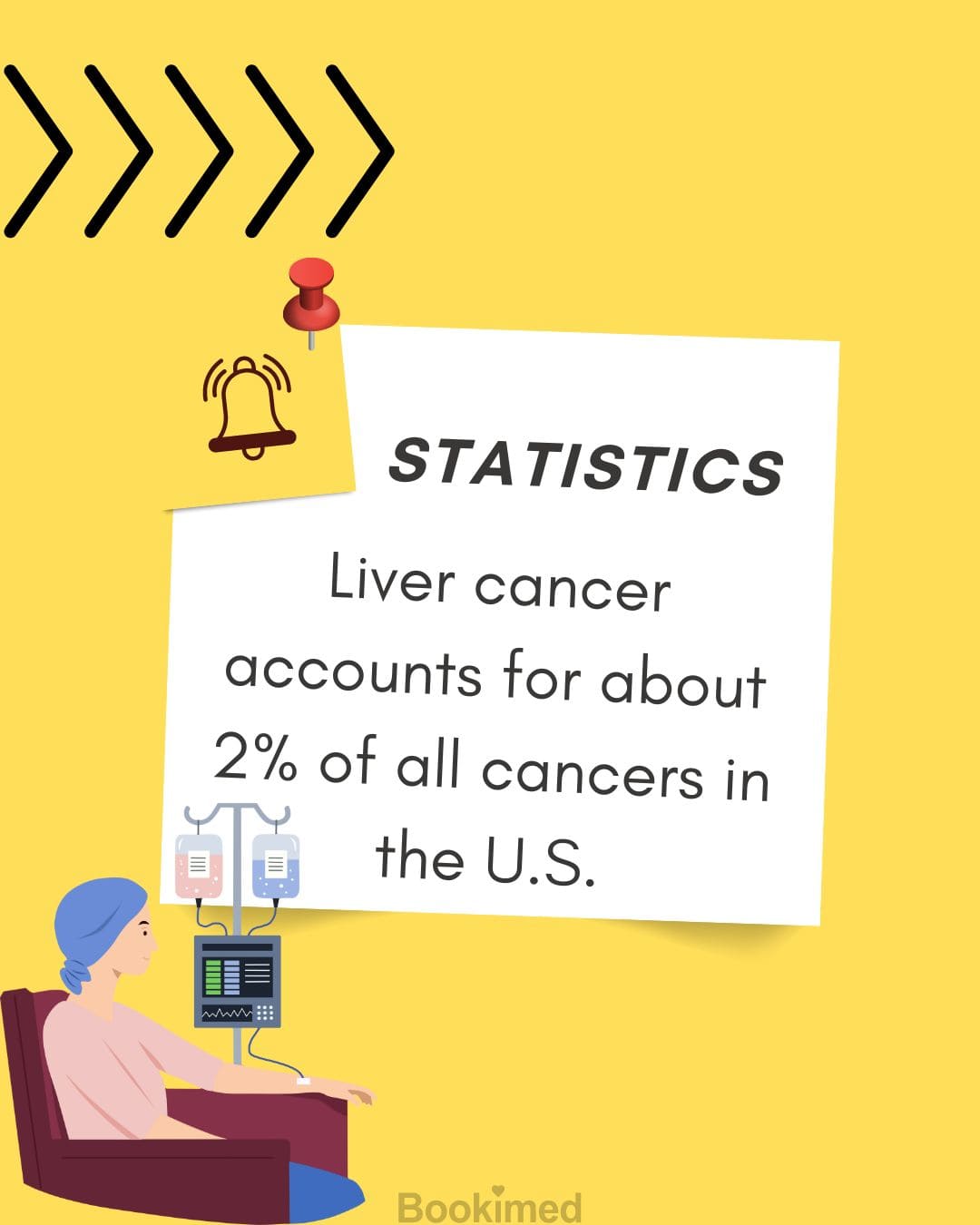
Primary liver cancer accounts for about 2% of all cancers in the U.S. and affects twice as many men as women, with an average age of diagnosis at 67. It has two main subtypes:

  • 🔬 Hepatocellular carcinoma (HCC) is the most common type, accounting for about 90% of all liver cancers. It originates in the primary type of liver cells called hepatocytes.

  • 🔬 Intrahepatic cholangiocarcinoma (ICC) is a less common type that starts in the bile ducts responsible for transporting bile, a digestive fluid. The doctors call this type "bile duct cancer".

Liver cancer can affect people of all ages, but it's more common in individuals with certain risk factors.

What Are the Risk Factors for Liver Cancer?

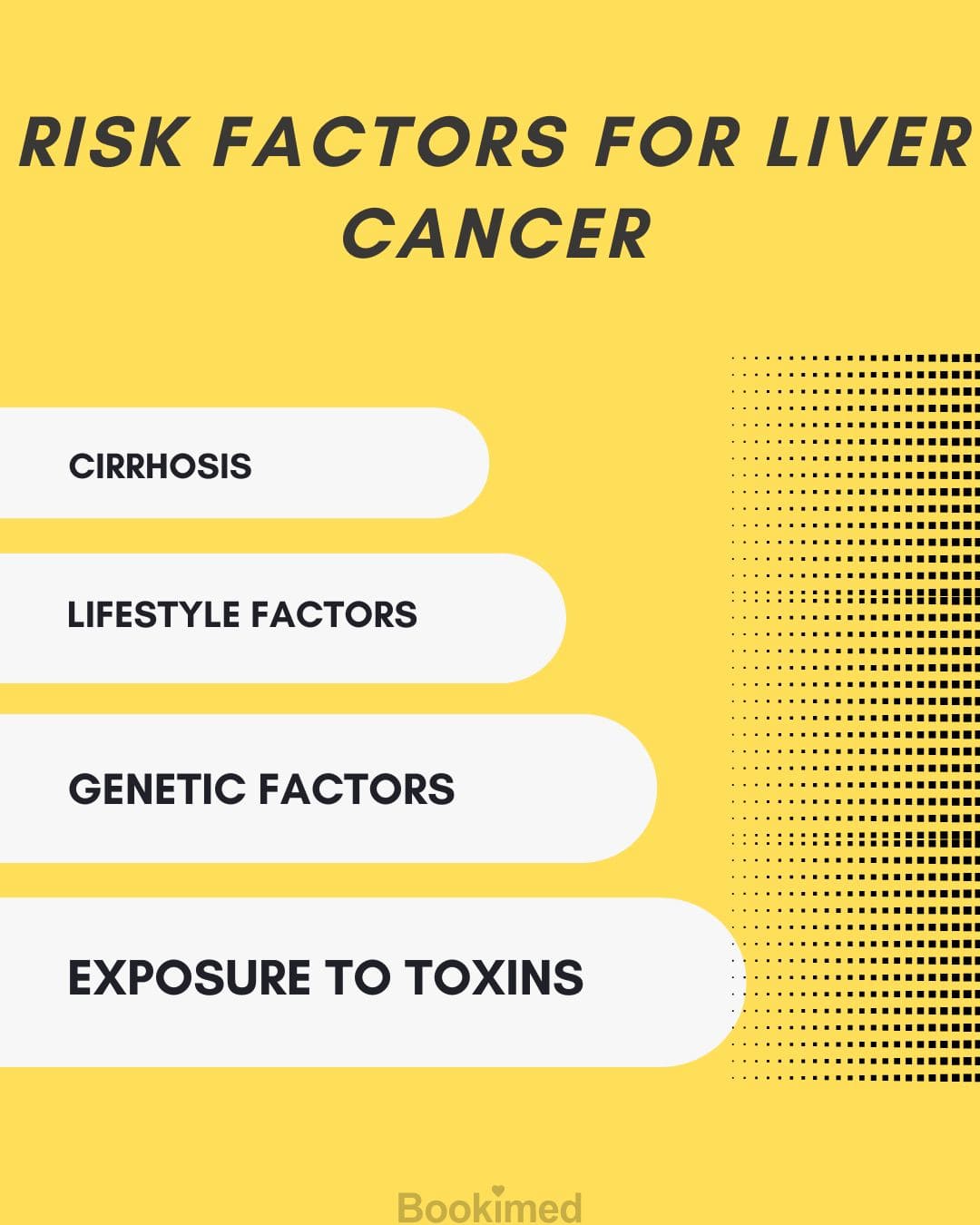
The main risk factors of primary liver cancer include having hepatitis B or hepatitis C. These diseases are destroying liver cells, increasing their chances for mutation. Several other factors can increase a person's risk of developing liver cancer.
faq image

These include:

Cirrhosis

Cirrhosis, the scarring of liver tissue due to long-term damage, significantly increases the risk of liver cancer. When the liver attempts to repair itself repeatedly, scar tissue formation impairs its function and elevates the likelihood of emerging tumor cells.

Patients with cirrhosis, regardless of the underlying cause, are typically under surveillance for liver cancer, as they are at a higher risk of developing HCC.

Lifestyle Factors

Liver cancer specialists claim that heavy alcohol consumption over time can cause liver inflammation and damage, leading to cirrhosis and an increased likelihood of cancer development.

Obesity is another critical risk factor, as it is associated with nonalcoholic fatty liver disease (NAFLD), which can progress to cirrhosis and liver cancer. Additionally, smoking has been linked to a higher risk of liver cancer, as the harmful chemicals in tobacco can contribute to liver damage over time.

Genetic Factors

Hemochromatosis, a disorder where the body absorbs too much iron, can lead to iron buildup in the liver, causing cirrhosis and increasing cancer risk. Another genetic disorder, alpha-1 antitrypsin deficiency, can result in liver disease, particularly in children and young adults, by causing abnormal protein accumulation in the liver cells, leading to cirrhosis.

Exposure to Toxins

Chronic exposure to certain toxins significantly heightens the risk of liver cancer. Aflatoxins, produced by a specific mold that grows on improperly stored grains and nuts, are a well-known carcinogen, particularly in developing countries with poor food safety practices.

Plus, industrial chemicals like vinyl chloride, used in plastics manufacturing, have been linked to liver tumors. Individuals working in industries with chemical exposure or those living in areas with poor food safety measures are at a heightened risk for developing liver tumors.

What Are the Symptoms of Primary Liver Cancer?

Early-stage tumor often presents with no noticeable symptoms. However, as the cancer progresses, some potential signs and symptoms include:

  • Unexplained weight loss;

  • Loss of appetite;

  • Fatigue;

  • Nausea and vomiting;

  • Abdominal pain or swelling in the upper right abdomen;

  • Jaundice (yellowing of the skin and eyes);

  • Enlarged liver (hepatomegaly);

  • Dark-colored urine.

*Please note that the symptoms mentioned above could indicate other conditions. Contact a Bookimed coordinator to consult with a liver cancer oncologist. Our medical advisors are available to assist you, either online or offline, based on your preference.

How Is Liver Cancer Staged?

The Barcelona Clinic Liver Cancer (BCLC) system is a widely used method. It categorizes liver tumors based on several factors, such as:

  • Tumor size and number of tumors;

  • Preserved liver function;

  • Presence of vascular invasion (whether cancer has spread to blood vessels).

The BCLC staging system has five stages:

  • 🟡 stage 0: very early;

  • 🟡 stage A: early;

  • 🟡 stage B: intermediate;

  • 🟡 stage C: advanced;

  • 🟡 stage D: end-stage.

What Are the Treatment Approaches?

Every patient needs a personalized treatment plan according to the cancer's stage, severity of symptoms, etc. The National Cancer Institute recommends the following treatment options:

Therapy

Options

Benefits

Risks/side effects

Surgery

Complete removal of tumor (hepatectomy), a portion of the liver (resection), or performing a liver transplant in suitable cases.

Removing the tumor in the early stages.

Bleeding, infection, and damage to surrounding organs.

Liver ablation

A minimally invasive technique that destroys cancer cells using heat, radiofrequency, or freezing.

  • Radiofrequency ablation;

  • Microwave ablation;

  • Cryoablation, etc.

Allows for faster recovery and fewer complications compared to open surgery. It can be effective for small, localized tumors.

Pain, bleeding, and infection.

Embolization therapy

This is for patients without metastases unsuitable for surgery or ablation. The doctor inserts a catheter into the hepatic artery to stop the blood supply of hepatocellular carcinoma.

Reduces blood flow to the tumor, potentially slowing its growth and minimizing symptoms.

Indirect damage of healthy tissues due to intended blockage of blood vessels.

Chemotherapy

Drugs such as Gemzar or Eloxatin can be used to treat liver cancer. Although most chemo medicines do not have a significant effect on liver tumors, doctors use them in combination with other treatments.

Clears out mutated cells, controlling cancer spread.

Nausea, vomiting, hair loss, and fatigue.

Radiation therapy

The external device sends high-energy X-rays toward the damaged area.

  • Conformal radiation therapy shapes the radiation beams to fit the tumor;

  • Stereotactic body radiation therapy places patients in the same position every time to reduce damaging healthy tissues;

  • Proton therapy sends streams of protons for effective tumor removal.

Quickly destroying the malignant area, reducing the potential of cancer spread.

Fatigue, skin irritation, and digestive problems.

Targeted therapy

Drugs like bevacizumab, cabozantinib, and lenvatinib attack specific tumor cells. They block critical proteins for cell growth inducing remission.

Selectively targets cancer cells, minimizing damage to healthy tissues.

High blood pressure, fatigue, and skin problems.

How to Choose Treatment Based on Cancer's Stage?

Here's a breakdown of hepatocellular carcinoma stages alongside the suitable plans:

Stage

Definition

BCLC group

Treatment Method

Localized

The cancer is confined to the liver.

0, A, and B.

Surgery

Locally advanced

The cancer has not spread to distant organs but cannot be safely removed by surgery.

C

Chemotherapy, proton therapy, and targeted therapies.

Metastatic

The cancer has spread to distant parts of the body.

D

Palliative treatment strategy.

Recurrent

The cancer has returned after initial treatment.

-

Combination of therapies, depending on the severity of symptoms and test results.

Some patients opt to participate in clinical trials. They can benefit from testing a new drug for free or try out new experimental treatments.

What Countries Have the Best Liver Cancer Treatment Centers?

Choosing the right medical facility for liver cancer can significantly impact the treatment experience and outcomes. Here's the list of countries with the  best liver cancer treatment centers in the world.

🇹🇷 Turkey

Pros:

  • Affordability. Offers competitive pricing compared to many Western countries.

  • Advanced Technology. Equipped with modern medical facilities and technology.

  • Experienced Oncologists. The country has a growing number of skilled specialists in liver cancer treatment.

  • Cultural Familiarity. It may be more comfortable for English-speaking patients.

Cons:

  • Language Barriers. While English is widely spoken in major cities, communication challenges may exist in some regions.

  • Infrastructure. While improving, the healthcare infrastructure in some areas may not be as advanced as in Western countries.

🇮🇱 Israel

Pros:

  • Innovative Research. Known for medical advancements and cutting-edge treatments.

  • Personalized Care. Focuses on tailored treatment plans for individual patients.

  • High Standards. Adheres to strict international standards of care.

Cons:

  • Cost. Treatment in Israel may be more expensive compared to some other countries.

  • Language Barriers. While English is widely spoken, language challenges may exist.

🇩🇪 Germany

Pros:

  • World-Class Expertise. Renowned for excellence in medical care, particularly oncology.

  • Advanced Technology. Equipped with the latest medical equipment and facilities.

  • Comprehensive Care. Offers a wide range of services, including diagnostics, treatment, and aftercare.

Cons:

  • Cost. The treatment costs are higher, especially for private healthcare.

  • Language Barriers. While English is spoken in many areas, language challenges may exist.

🇪🇸 Spain

Pros:

  • Pleasant Climate. Mediterranean climate can contribute to a positive recovery experience.

  • Cultural Diversity. Offers a welcoming environment for international patients.

  • High-Quality Healthcare. The country adheres to international standards of care.

Cons:

  • Language Barriers. While English is widely spoken in tourist areas, language challenges may exist in some regions.

  • Cost. Treatment can be more expensive than in some other countries, especially for private healthcare.

🇦🇹 Austria

Pros:

  • High-Quality Care. Austria is famous for its robust healthcare system.

  • Beautiful Scenery. Can contribute to a positive recovery experience.

  • Modern Infrastructure. Has well-developed healthcare facilities and experienced professionals.

Cons:

  • Cost. Treating cancer in Austria would cost more, especially for private healthcare.

  • Language Barriers. While English is spoken in many areas, language challenges may exist.

Choosing the  best hospital to treat liver cancer is paramount for successful treatment. Look out for medical facilities with a proven track record in liver cancer care and positive patient reviews.

If you're running out of time and want to find the best hospital for liver cancer, contact the Bookimed coordinator. We'll find the cancer center based on your history and symptoms.

How to Find the Best Oncologist for Liver Cancer?

When facing a diagnosis of liver cancer, selecting the best possible treatment center is paramount. The right choice can significantly impact your treatment experience and outcomes. Here are some key factors to consider:

Expertise and Experience:

  • Specialization in Liver Cancer. These specialists have in-depth knowledge and experience in managing this complex disease.
  • Number of Cases. Consider oncologists with a history of successful outcomes in liver cancer treatment.
  • Board-Certified Specialists. The best liver cancer doctors should have board certifications in medical oncology and be accredited by reputable organizations, such as the Joint Commission International (JCI).

The best doctors work at renowned medical centers. Remember that Bookimed can also advise the  best place to treat liver cancer based on your individual history. Contact us for more information.

References

Key Statistics About Liver Cancer. Information and Resources about Cancer: Breast, Colon, Lung, Prostate, Skin | American Cancer Society. URL: https://www.cancer.org/cancer/types/liver-cancer/about/what-is-key-statistics.html (date of access: 04.10.2024).

Liver Cancer Risk Factors | Risk of Liver Cancer. Information and Resources about Cancer: Breast, Colon, Lung, Prostate, Skin | American Cancer Society. URL: https://www.cancer.org/cancer/types/liver-cancer/causes-risks-prevention/risk-factors.html (date of access: 04.10.2024).

Liver Cancer Treatment. Comprehensive Cancer Information - NCI. URL: https://www.cancer.gov/types/liver/what-is-liver-cancer/treatment (date of access: 04.10.2024).

Prevalence and characteristics of hepatitis C virus-related hepatocellular carcinoma in a Spanish university hospital. Cancer Epidemiology. URL: https://www.sciencedirect.com/science/article/abs/pii/S1877782122000479 (date of access 04.10.2024)

Wszystko, co trzeba wiedzieć o Rak wątroby

What Is Liver Cancer?

Liver cancer, also known as hepatocellular carcinoma (HCC), is a severe condition that develops when abnormal cells in the liver grow uncontrollably and compromise the immune system. These tumors can disrupt normal liver function and can be life-threatening if left untreated.

The liver is a vital organ responsible for various functions, including:

  • Filtering toxins from the blood;

  • Producing proteins;

  • Storing nutrients.

Liver cancer has two main types based on a malignancy location:

  • 🔺Primary liver cancer derives from liver cells;

  • 🔻Secondary liver cancer is a metastasis of a tumor from a different location.

faq image

Primary liver cancer accounts for about 2% of all cancers in the U.S. and affects twice as many men as women, with an average age of diagnosis at 67. It has two main subtypes:

  • 🔬 Hepatocellular carcinoma (HCC) is the most common type, accounting for about 90% of all liver cancers. It originates in the primary type of liver cells called hepatocytes.

  • 🔬 Intrahepatic cholangiocarcinoma (ICC) is a less common type that starts in the bile ducts responsible for transporting bile, a digestive fluid. The doctors call this type "bile duct cancer".

Liver cancer can affect people of all ages, but it's more common in individuals with certain risk factors.

What Are the Risk Factors for Liver Cancer?

The main risk factors of primary liver cancer include having hepatitis B or hepatitis C. These diseases are destroying liver cells, increasing their chances for mutation. Several other factors can increase a person's risk of developing liver cancer.

faq image

These include:

Cirrhosis

Cirrhosis, the scarring of liver tissue due to long-term damage, significantly increases the risk of liver cancer. When the liver attempts to repair itself repeatedly, scar tissue formation impairs its function and elevates the likelihood of emerging tumor cells.

Patients with cirrhosis, regardless of the underlying cause, are typically under surveillance for liver cancer, as they are at a higher risk of developing HCC.

Lifestyle Factors

Liver cancer specialists claim that heavy alcohol consumption over time can cause liver inflammation and damage, leading to cirrhosis and an increased likelihood of cancer development.

Obesity is another critical risk factor, as it is associated with nonalcoholic fatty liver disease (NAFLD), which can progress to cirrhosis and liver cancer. Additionally, smoking has been linked to a higher risk of liver cancer, as the harmful chemicals in tobacco can contribute to liver damage over time.

Genetic Factors

Hemochromatosis, a disorder where the body absorbs too much iron, can lead to iron buildup in the liver, causing cirrhosis and increasing cancer risk. Another genetic disorder, alpha-1 antitrypsin deficiency, can result in liver disease, particularly in children and young adults, by causing abnormal protein accumulation in the liver cells, leading to cirrhosis.

Exposure to Toxins

Chronic exposure to certain toxins significantly heightens the risk of liver cancer. Aflatoxins, produced by a specific mold that grows on improperly stored grains and nuts, are a well-known carcinogen, particularly in developing countries with poor food safety practices.

Plus, industrial chemicals like vinyl chloride, used in plastics manufacturing, have been linked to liver tumors. Individuals working in industries with chemical exposure or those living in areas with poor food safety measures are at a heightened risk for developing liver tumors.

What Are the Symptoms of Primary Liver Cancer?

Early-stage tumor often presents with no noticeable symptoms. However, as the cancer progresses, some potential signs and symptoms include:

  • Unexplained weight loss;

  • Loss of appetite;

  • Fatigue;

  • Nausea and vomiting;

  • Abdominal pain or swelling in the upper right abdomen;

  • Jaundice (yellowing of the skin and eyes);

  • Enlarged liver (hepatomegaly);

  • Dark-colored urine.

*Please note that the symptoms mentioned above could indicate other conditions. Contact a Bookimed coordinator to consult with a liver cancer oncologist. Our medical advisors are available to assist you, either online or offline, based on your preference.

How Is Liver Cancer Staged?

The Barcelona Clinic Liver Cancer (BCLC) system is a widely used method. It categorizes liver tumors based on several factors, such as:

  • Tumor size and number of tumors;

  • Preserved liver function;

  • Presence of vascular invasion (whether cancer has spread to blood vessels).

The BCLC staging system has five stages:

  • 🟡 stage 0: very early;

  • 🟡 stage A: early;

  • 🟡 stage B: intermediate;

  • 🟡 stage C: advanced;

  • 🟡 stage D: end-stage.

What Are the Treatment Approaches?

Every patient needs a personalized treatment plan according to the cancer's stage, severity of symptoms, etc. The National Cancer Institute recommends the following treatment options:

Therapy

Options

Benefits

Risks/side effects

Surgery

Complete removal of tumor (hepatectomy), a portion of the liver (resection), or performing a liver transplant in suitable cases.

Removing the tumor in the early stages.

Bleeding, infection, and damage to surrounding organs.

Liver ablation

A minimally invasive technique that destroys cancer cells using heat, radiofrequency, or freezing.

  • Radiofrequency ablation;

  • Microwave ablation;

  • Cryoablation, etc.

Allows for faster recovery and fewer complications compared to open surgery. It can be effective for small, localized tumors.

Pain, bleeding, and infection.

Embolization therapy

This is for patients without metastases unsuitable for surgery or ablation. The doctor inserts a catheter into the hepatic artery to stop the blood supply of hepatocellular carcinoma.

Reduces blood flow to the tumor, potentially slowing its growth and minimizing symptoms.

Indirect damage of healthy tissues due to intended blockage of blood vessels.

Chemotherapy

Drugs such as Gemzar or Eloxatin can be used to treat liver cancer. Although most chemo medicines do not have a significant effect on liver tumors, doctors use them in combination with other treatments.

Clears out mutated cells, controlling cancer spread.

Nausea, vomiting, hair loss, and fatigue.

Radiation therapy

The external device sends high-energy X-rays toward the damaged area.

  • Conformal radiation therapy shapes the radiation beams to fit the tumor;

  • Stereotactic body radiation therapy places patients in the same position every time to reduce damaging healthy tissues;

  • Proton therapy sends streams of protons for effective tumor removal.

Quickly destroying the malignant area, reducing the potential of cancer spread.

Fatigue, skin irritation, and digestive problems.

Targeted therapy

Drugs like bevacizumab, cabozantinib, and lenvatinib attack specific tumor cells. They block critical proteins for cell growth inducing remission.

Selectively targets cancer cells, minimizing damage to healthy tissues.

High blood pressure, fatigue, and skin problems.

How to Choose Treatment Based on Cancer's Stage?

Here's a breakdown of hepatocellular carcinoma stages alongside the suitable plans:

Stage

Definition

BCLC group

Treatment Method

Localized

The cancer is confined to the liver.

0, A, and B.

Surgery

Locally advanced

The cancer has not spread to distant organs but cannot be safely removed by surgery.

C

Chemotherapy, proton therapy, and targeted therapies.

Metastatic

The cancer has spread to distant parts of the body.

D

Palliative treatment strategy.

Recurrent

The cancer has returned after initial treatment.

-

Combination of therapies, depending on the severity of symptoms and test results.

Some patients opt to participate in clinical trials. They can benefit from testing a new drug for free or try out new experimental treatments.

What Countries Have the Best Liver Cancer Treatment Centers?

Choosing the right medical facility for liver cancer can significantly impact the treatment experience and outcomes. Here's the list of countries with the  best liver cancer treatment centers in the world.

🇹🇷 Turkey

Pros:

  • Affordability. Offers competitive pricing compared to many Western countries.

  • Advanced Technology. Equipped with modern medical facilities and technology.

  • Experienced Oncologists. The country has a growing number of skilled specialists in liver cancer treatment.

  • Cultural Familiarity. It may be more comfortable for English-speaking patients.

Cons:

  • Language Barriers. While English is widely spoken in major cities, communication challenges may exist in some regions.

  • Infrastructure. While improving, the healthcare infrastructure in some areas may not be as advanced as in Western countries.

🇮🇱 Israel

Pros:

  • Innovative Research. Known for medical advancements and cutting-edge treatments.

  • Personalized Care. Focuses on tailored treatment plans for individual patients.

  • High Standards. Adheres to strict international standards of care.

Cons:

  • Cost. Treatment in Israel may be more expensive compared to some other countries.

  • Language Barriers. While English is widely spoken, language challenges may exist.

🇩🇪 Germany

Pros:

  • World-Class Expertise. Renowned for excellence in medical care, particularly oncology.

  • Advanced Technology. Equipped with the latest medical equipment and facilities.

  • Comprehensive Care. Offers a wide range of services, including diagnostics, treatment, and aftercare.

Cons:

  • Cost. The treatment costs are higher, especially for private healthcare.

  • Language Barriers. While English is spoken in many areas, language challenges may exist.

🇪🇸 Spain

Pros:

  • Pleasant Climate. Mediterranean climate can contribute to a positive recovery experience.

  • Cultural Diversity. Offers a welcoming environment for international patients.

  • High-Quality Healthcare. The country adheres to international standards of care.

Cons:

  • Language Barriers. While English is widely spoken in tourist areas, language challenges may exist in some regions.

  • Cost. Treatment can be more expensive than in some other countries, especially for private healthcare.

🇦🇹 Austria

Pros:

  • High-Quality Care. Austria is famous for its robust healthcare system.

  • Beautiful Scenery. Can contribute to a positive recovery experience.

  • Modern Infrastructure. Has well-developed healthcare facilities and experienced professionals.

Cons:

  • Cost. Treating cancer in Austria would cost more, especially for private healthcare.

  • Language Barriers. While English is spoken in many areas, language challenges may exist.

Choosing the  best hospital to treat liver cancer is paramount for successful treatment. Look out for medical facilities with a proven track record in liver cancer care and positive patient reviews.

If you're running out of time and want to find the best hospital for liver cancer, contact the Bookimed coordinator. We'll find the cancer center based on your history and symptoms.

How to Find the Best Oncologist for Liver Cancer?

When facing a diagnosis of liver cancer, selecting the best possible treatment center is paramount. The right choice can significantly impact your treatment experience and outcomes. Here are some key factors to consider:

Expertise and Experience:

  • Specialization in Liver Cancer. These specialists have in-depth knowledge and experience in managing this complex disease.
  • Number of Cases. Consider oncologists with a history of successful outcomes in liver cancer treatment.
  • Board-Certified Specialists. The best liver cancer doctors should have board certifications in medical oncology and be accredited by reputable organizations, such as the Joint Commission International (JCI).

The best doctors work at renowned medical centers. Remember that Bookimed can also advise the  best place to treat liver cancer based on your individual history. Contact us for more information.

References

Key Statistics About Liver Cancer. Information and Resources about Cancer: Breast, Colon, Lung, Prostate, Skin | American Cancer Society. URL: https://www.cancer.org/cancer/types/liver-cancer/about/what-is-key-statistics.html (date of access: 04.10.2024).

Liver Cancer Risk Factors | Risk of Liver Cancer. Information and Resources about Cancer: Breast, Colon, Lung, Prostate, Skin | American Cancer Society. URL: https://www.cancer.org/cancer/types/liver-cancer/causes-risks-prevention/risk-factors.html (date of access: 04.10.2024).

Liver Cancer Treatment. Comprehensive Cancer Information - NCI. URL: https://www.cancer.gov/types/liver/what-is-liver-cancer/treatment (date of access: 04.10.2024).

Prevalence and characteristics of hepatitis C virus-related hepatocellular carcinoma in a Spanish university hospital. Cancer Epidemiology. URL: https://www.sciencedirect.com/science/article/abs/pii/S1877782122000479 (date of access 04.10.2024)

Uzyskać bezpłatną konsultację

Proszę wybrać wygodny sposób komunikacji