Na stronę główną
4.6/5
TrustPilot

Jak to działa

Zmieniliśmy proces wyszukiwania kliniki, czyniąc go prostym, szybkim i spersonalizowanym.
Proszę odpowiedzieć na kilka pytańProszę przejść krótki quiz i opowiedzieć o swoich celach dotyczących liftingu nićmi.
Proszę otrzymać spersonalizowane oferty3 kliniki, wybrane na podstawie Państwa odpowiedzi, przedstawią spersonalizowane programy i ceny.
Proszę wybrać najlepszą opcjęProszę porównać oferty i wybrać klinikę, która najbardziej Państwu odpowiada.
Mogą Państwo również przejrzeć wszystkie 13 klinik poniżej.
820К+ pacjentów otrzymało pomoc od 2014 roku
50 kraje
1,500 kliniki
6K+ opinie
3K+ wykwalifikowani lekarze

Jaka jest cena liftingu nićmi w Republice Korei? Proszę dowiedzieć się teraz

Lifting nićmi w Korei Południowej kosztuje od $1,600 do $2,500, według danych Bookimed. Średnio zabieg kosztuje $2,100. Cena zależy od rodzaju nici (np. Epiticon®, MINT), obszaru liftingu, liczby nici oraz kwalifikacji lekarza.

W cenę zazwyczaj wliczona jest konsultacja wstępna, indywidualny plan, diagnostyka przedoperacyjna, same nici rozpuszczalne, znieczulenie miejscowe, zalecenia dotyczące pielęgnacji oraz wizyty kontrolne. Zapewnione jest również całodobowe wsparcie. Sprawdzać, czy dodatkowe zabiegi lub wizyty kontrolne są wliczone w wybranej klinice.

Republika KoreiTurcjaUSA
Lifting nićmiod $1,583od $1,400od $2,500
Dane zweryfikowane przez Bookimed na April 2026, na podstawie zapytań pacjentów i oficjalnych wycen z 40 klinik na całym świecie. Koszty mediany opierają się na rzeczywistych fakturach (2025–2026) i są aktualizowane co miesiąc. Rzeczywiste ceny mogą się różnić.

Ekskluzywne oferty w liftingowi nićmi w Republice Korei na kwiecień 2026 roku

Typ procedury
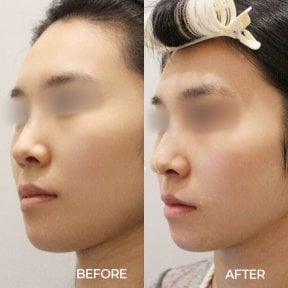
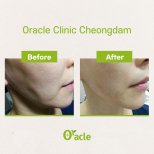
Efekty liftingu nićmi przed i po w Forena Clinic, poprawa napięcia skóry twarzy
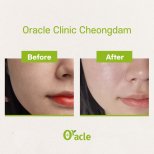
Efekt przed i po liftingu nićmi w Forena Clinic, poprawa konturu twarzy
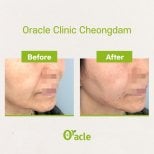
Efekty przed i po liftingu nićmi w Forena Clinic, poprawa konturu twarzy widoczna
11 lat doświadczenia
14000 procedury

Lifting nicią MINT (cała twarz) + Signature Poretox

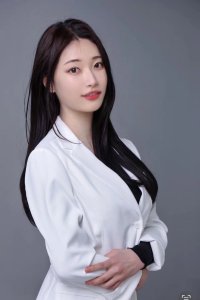
Dr Yeom Jihye wykonała ponad 14 000 zabiegów medycyny estetycznej, specjalizując się w odmładzaniu twarzy. Zabieg łączony liftingu nićmi MINT z autorską metodą Poretox kosztuje zazwyczaj około 1 759 $, co obejmuje obie procedury w celu kompleksowej poprawy wyglądu twarzy. Dr Yeom należy do Amerykańskiej Akademii Dermatologii i kształciła się na UCLA. Klinika jest wymieniana w Harper's Bazaar Singapore jako prestiżowy ośrodek medycyny estetycznej.

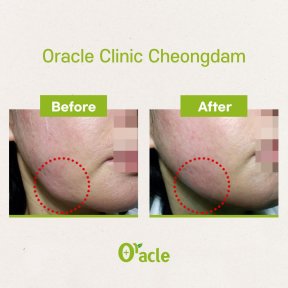
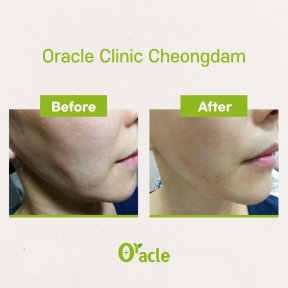
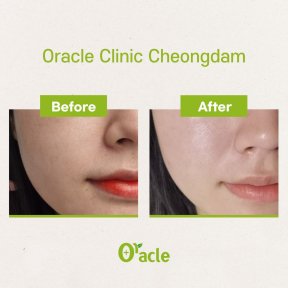
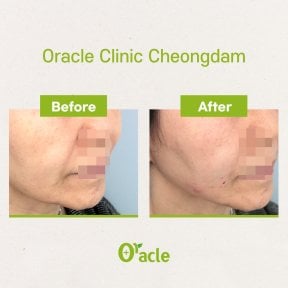
  • Ro Youngwoo jest certyfikowanym dermatologiem i dyrektorem Oracle Clinic Cheongdam.
  • Kliniką Oracle Cheongdam kieruje były dyrektor oddziału Oracle Dermatology w Apgujeong.
  • Usługi w cenie: Konsultacja z dermatologiem, pomoc językowa, spersonalizowane porady dotyczące urody.
  • Informacje o pobycie: Zakwaterowanie nie jest wliczone w cenę; nocleg w kraju nie jest wymagany.

Dowiedzieć się o najlepszych klinikach w liftingu nićmi w Republice Korei: 13 sprawdzonych klinik i ceny

Ranking klinik Bookimed opiera się na algorytmach data science. Jego podstawą są takie kryteria: liczba zapytań od pacjentów, opinie (pozytywne i negatywne), aktualność cen i opcji leczenia, szybkość odpowiedzi kliniki oraz posiadanie certyfikatów.
VG Plastic Surgery
SAERO Plastic Surgery
HERSHE Plastic Surgery Korea
Seoul Miz Hospital
Państwo przeglądali 5 z 13 klinik

Przegląd procedury Lifting nićmi w Republice Korei

Główne dane
Podobne procedury i ceny
Jak to działa
Zalety
Opcje płatności
pacjenci rekomendowane -
85%
Przetworzonych zapytań - 9233
Koszt usług Bookimed - $0

Proszę uzyskać konsultację medyczną dotyczącą liftingowi nićmi w Republice Korei: Proszę wybierać spośród najlepszych specjalistów w tej dziedzinie

Wszyscy lekarze
zweryfikowany

Jung Young Choon

41 lat doświadczenia

Dr Jung Young Choon to wiodący specjalista w zakresie liftingu nićmi i procedur anti-aging, z wieloletnim doświadczeniem w HERSHE Plastic Surgery Korea.

  • Specjalizuje się w liftingu nićmi i liftingu twarzy dającym naturalne rezultaty
  • Certyfikowany chirurg plastyczny z rozległym doświadczeniem akademickim
  • Członek Amerykańskiego Towarzystwa Chirurgów Plastycznych
  • Opublikował badania dotyczące technik liftingu nićmi i korekcji twarzy
  • Założyciel wiodącej kliniki w Seulu z opatentowanymi programami komórek macierzystych
zweryfikowany

Yeom Jihye

11 lat doświadczenia • 14000+ procedury na koncie

Dr Yeom specjalizuje się w liftingu nićmi, co jest poparte gruntownym szkoleniem i przynależnością do wielu prestiżowych towarzystw medycyny estetycznej i laserowej.

  • Pełnoprawny członek Koreańskiego Towarzystwa Estetycznej Chirurgii Plastycznej i Medycyny Laserowej
  • Dożywotni członek Koreańskiego Towarzystwa Dermatologii Laserowej
  • Ukończył Program Obserwacji Klinicznej UCLA (Clinical Observership Program)
  • Były dyrektor w kilku znanych klinikach estetycznych
zweryfikowany

Seung-hyung Noh

26 lat doświadczenia

Dr. Seung‑Hyung Noh is a board-certified plastic and reconstructive surgeon. He has extensive experience in revision surgery for major aesthetic procedures. He is known for managing complex revision cases that call for sound judgment and precise technique.

He earned his medical degree from Hanyang University College of Medicine. He completed training in plastic and reconstructive surgery at Hanyang University Hospital. He also completed a clinical training program at Columbia University in New York.

His approach puts safety, balance, and natural results first. He avoids overtreatment and uses the least necessary intervention. He is a full member of major Korean plastic surgery societies, including KSPRS.

Wideo historie pacjentów Bookimed

Oksana
I have fulfilled my dream. Finally, I won't cry about my hair anymore.
Procedura: Przeszczep włosów
Roman
Just 4 days in Turkey, and I'm already home with a new hair.
Procedura: Przeszczep włosów
Klinika: Hair Clinic
Dmitrii
Bookimed hooked me up with a really good clinic. I saved a ton of cash.
Procedura: Przeszczep brody

Lifting nićmi: Zdjęcia przed i po

Wyświetlić wszystkie

Udostępnić tę treść

Zaktualizowano: 07/01/2025
Autor
Anna Leonova
Anna Leonova
Kierownik działu marketingu treści
Certyfikowany autor tekstów medycznych z ponad 10-letnim doświadczeniem, odpowiada za wiarygodność treści Bookimed. Posiada tytuł magistra filologii, przeprowadzała wywiady z ekspertami światowymi.
Fahad Mawlood
Redaktor medyczny, Data Scientist
Lekarz ogólny, laureat 4 konkursów prac naukowych młodych naukowców. Pracował na Bliskim Wschodzie. Były kierownik zespołu anglojęzycznych i arabskojęzycznych lekarzy-koordynatorów. Obecnie zajmuje się analizą danych i jest redaktorem medycznym strony.
Fahad Mawlood Linkedin
Na tej stronie mogą być prezentowane informacje dotyczące różnych chorób, metod leczenia oraz usług medycznych dostępnych w różnych krajach. Proszę zauważyć, że treści mają charakter wyłącznie informacyjny i nie powinny być traktowane jako porada medyczna ani wytyczne. Proszę skonsultować się z lekarzem lub wykwalifikowanym pracownikiem medycznym przed rozpoczęciem lub zmianą leczenia.

FAQ dotyczące liftingowi nićmi w Republice Korei

To pytania od prawdziwych pacjentów poszukujących pomocy medycznej przez Bookimed. Odpowiedzi udzielają doświadczeni lekarze-koordynatorzy oraz oficjalni przedstawiciele klinik.

What is a Korean thread lift?

A Korean thread lift is a minimally invasive procedure using dissolvable, medical-grade sutures to lift sagging facial skin. Pioneered in South Korea, this treatment uses specialized PDO, PLLA, or PCL threads to physically reposition tissue and stimulate natural collagen production for long-term firmness.

  • Available techniques: Options include MINT lifting, hyaluronic acid threads, and 3D barbed cog threads.
  • Recovery timeline: Patients are typically mobile within 48 hours with swelling resolving by day 3.
  • Treatment duration: Procedures often called lunchtime lifts take only 30 to 60 minutes.
  • Longevity factors: Results typically last 18 months using premium molded threads versus basic versions.

Bookimed Expert Insight: Clinical data from Seoul shows a trend toward combination therapy rather than solo lifting. Top-tier specialists like Dr. Jung Young Choon at HERSHE Plastic Surgery often layer threads with regenerative stem cell treatments or AccuSculpt laser. This multi-modality approach explains why Korean clinics achieve higher success rates compared to standard Western applications.

Patient Consensus: Patients emphasize that while results are immediate, icing religiously for the first 48 hours is vital. Many recommend avoiding excessive smiling or sharp facial movements during the first week to prevent thread shifting.

What are the potential side effects or risks?

Threads lifting in the Republic of Korea is a low-risk, non-surgical procedure, yet patients may experience temporary swelling, bruising, or skin dimpling. While serious complications are rare, South Korean clinics like VG Plastic Surgery and Forena Clinic utilize advanced safety systems and board-certified specialists to minimize risks.

  • Early side effects: Swelling and bruising around the jawline typically resolve within 7 to 14 days.
  • Skin irregularities: Temporary puckering or dimpling may create an orange-peel texture for several weeks.
  • Symmetry risks: Asymmetry or unnatural tightness occurs if thread counts are mismatched between facial sides.
  • Rare complications: Thread migration or extrusion is uncommon but may require minor surgical removal procedures.

Bookimed Expert Insight: Data from top Seoul clinics shows a trend toward combining MINT threads with Poretox or hyaluronic acid to reduce mechanical stress on skin. At Forena Clinic, where Dr. Yeom Jihye has performed 14,000 procedures, these hybrid techniques help prevent the over-tightened look often seen with high-tension single-thread methods.

Patient Consensus: Most patients report that swelling and bruising dominate the first week, requiring religious use of ice and arnica. Experts recommend starting with a conservative thread count and requesting a pre-operative thread map to ensure facial symmetry.
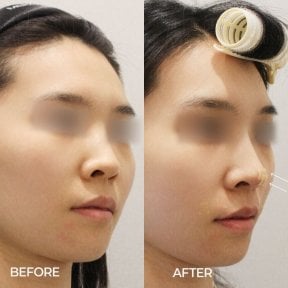
Who is an ideal candidate for a thread lift in Korea?

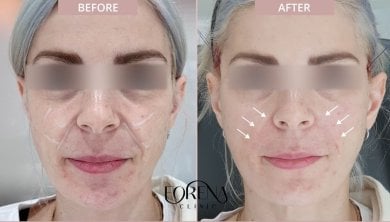
The ideal candidate for a thread lift in Korea is typically aged 25 to 50 with mild to moderate skin sagging and good tissue elasticity. This non-surgical procedure is specifically designed for patients seeking a snatched V-line, improved jawline definition, or correction of early nasolabial folds.

  • Target age: Best for patients aged 25–55 seeking preventative or restorative facial contouring.
  • Skin quality: Requires sufficient thickness and elasticity for MINT threads to grip tissue effectively.
  • Facial concerns: Ideal for correcting mid-face ptosis, jowls, or deepening smile and marionette lines.
  • Lifestyle preference: Suits busy professionals needing quick recovery, typically returning to work within 1–3 days.

Bookimed Expert Insight: While many seek thread lifts for aging, a major trend in high-volume Seoul clinics like Oracle Clinic Cheongdam is preventative lifting for patients in their 30s. Surgeons here favor unlimited thread packages to ensure a seamless V-line, often performing over 100 lifting treatments monthly to maintain high precision in tissue repositioning.

Patient Consensus: Patients emphasize that a successful outcome depends heavily on the bounce-back test during consultation. Those with very thin skin or extreme sagging are often advised to choose traditional surgery for more visible results.

How long do the results typically last?

Thread lifting results in the Republic of Korea typically last between 6 to 24 months. Longevity depends on the material used, such as PDO, PLLA, or PCL. While threads dissolve within 6 to 12 months, the resulting collagen production maintains the lifting effect for several additional months.

  • Material durability: PDO threads dissolve fastest, while PCL options often provide results exceeding 18 months.
  • Technique impact: Specialized methods like the Ultanium lifting technique or MINT threads enhance structural support.
  • Biological response: Results persist as the body creates a natural collagen matrix around dissolving threads.
  • Maintenance schedule: Korean specialists frequently recommend annual touch-ups to sustain the peak lifting effect.

Bookimed Expert Insight: Data from high-volume Seoul centers shows a clear trend: clinics like Forena and Oracle often combine threads with secondary treatments like Poretox or fillers. This multimodal approach doesn't just lift skin; it addresses volume loss simultaneously. Patients choosing these combined protocols frequently report more stable, longer-lasting aesthetic outcomes than those receiving threads alone.

Patient Consensus: Most patients report that while initial swelling fades within 4 weeks, the best look appears after 2 months. Maintaining good skin elasticity and using consistent sun protection are cited as the best ways to extend the procedure's benefits.

Is the procedure painful and how is discomfort managed?

Threads lifting in South Korea is a minimally invasive, out-patient procedure that causes only mild discomfort. Surgeons manage sensitivity using high-strength topical numbing creams and local lidocaine injections. Most patients describe the sensation as a deep tugging or a slight pinch rather than sharp pain.

  • Anesthesia methods: Clinics primarily use local anesthesia paired with potent topical numbing creams.
  • Sensation type: Patients typically report a signature pulling or `fishing line` sensation during insertion.
  • Post-op management: Discomfort peaks during the first 3 days and is managed with OTC painkillers.
  • Recovery aids: Top clinics often provide LED therapy and ice packs to reduce swelling.

Bookimed Expert Insight: While many Western providers use fewer threads, leading Korean specialists like Dr. Yeom Jihye at Forena Clinic have performed over 14,000 procedures often using 20-50 threads. This high-volume approach provides superior lifting results but causes more initial tightness. Choosing a board-certified dermatologist ensures your numbing protocol is generous enough for these advanced techniques.

Patient Consensus: Patients frequently describe the pain as a `bad facial` and emphasize that the results are 10/10 worth the temporary `popping` sensations. Most return to normal activities within 1 week once the initial puffiness subsides.

What is the expected recovery timeline and downtime?

Threads lifting in the Republic of Korea typically requires 3 to 7 days of social downtime, with most patients returning to desk work by day 5. While initial lifting is visible immediately, full collagen remodeling results typically peak between 4 and 12 weeks post-procedure.

  • Initial downtime: Most patients resume normal daily activities within 3 to 7 days.
  • Peak swelling: Visible facial swelling typically peaks around day 2 or day 3.
  • Social readiness: Bruising and significant swelling generally subside within 2 to 4 weeks.
  • Result maturation: Final facial contouring and skin tightening plateau at approximately 12 weeks.

Bookimed Expert Insight: Korean clinics often enforce stricter post-op protocols than international counterparts to ensure thread stability. Data from high-volume centers like Forena Clinic suggests that avoiding facial massages and side-sleeping for 14 days is critical. Practitioners like Dr. Jung Young Choon emphasize these restrictions to prevent thread displacement during the initial healing phase.

Patient Consensus: Patients report that sleeping upright for the first 3 nights is the most effective way to minimize swelling. Many advise avoiding major social events for at least 7 days to account for the pulling sensations and initial facial tightness.

What are the key after-treatment restrictions?

After a thread lift in South Korea, patients must sleep strictly on their backs for 7 days to prevent thread migration or snapping. Key restrictions include avoiding strenuous exercise, facial massages, heat exposure in saunas, and active skincare like retinols for up to 4 weeks to ensure proper tissue anchoring.

  • Sleep position: Use travel pillows for 7 nights to avoid side-sleeping or facial pressure.
  • Physical activity: Skip gym sessions and heavy lifting for 2 to 4 weeks.
  • Skincare limits: Avoid gua sha, facials, and RF devices for at least 14 days.
  • Lifestyle choices: Pause alcohol and smoking for 2 weeks to minimize prolonged swelling.

Bookimed Expert Insight: While many clinics suggest a 2-week recovery, data from high-volume centers like Forena Clinic shows peak settling occurs at 4 weeks. If you combine threads with fillers or the signature Poretox technique, expect additional swelling that requires a full 14 days off social commitments.

Patient Consensus: Patients emphasize that back-sleeping is the hardest restriction but critical. Many recommend packing a specialized neck pillow before traveling to Seoul to prevent accidental rolling during sleep.

Uzyskać bezpłatną konsultację

Proszę wybrać wygodny sposób komunikacji