Na stronę główną
4.6/5
TrustPilot

Najlepsi lekarze wykonujący korekcję garbu nosa w Seulu – TOP 7 lekarzy

Porównaj najlepszych lekarzy Korekcja garbu nosa i ceny w Republika Korei. Tutaj znajdziesz najlepsze dopasowanie.

Uzyskaj oferty od 3 najlepszych specjalistów Korekcja garbu nosa w Republika Korei

Dobierzemy najlepszych lekarzy w zależności od Twoich potrzeb i budżetu.

Najlepsi lekarze

7

Republika Korei

Opinie

14000+

Od prawdziwych pacjentów

Wybierz kraj z najlepszymi cenami za usługi lekarskie

Porównaj ceny Korekcja garbu nosa w najlepszych krajach

Kliknij kraj, aby zobaczyć najlepszych lekarzy i ceny

Thailand
Ukraine
Turkey
Mexico
Poland
Czech Republic
$400 - $3,500
$2,300 - $3,200
$2,300 - $3,500
$3,000 - $6,000
$3,500 - $7,000
$3,500 - $6,000
$0
$2,000
$4,000
$6,000

Uzyskaj darmowy, spersonalizowany plan leczenia i wybierz najlepszą opcję. Bez zobowiązań · Bez opłat za nasze usługi

44 osób poprosiło o wycenę w zeszłym miesiącu
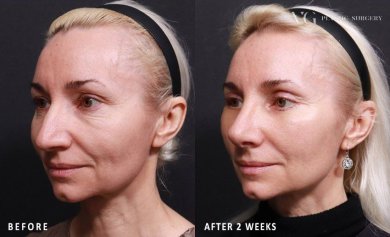
Park Sangwook

  • 10 lat doświadczenia
  • Lokalizacja: Republika Korei, Seul
  • Certyfikowany chirurg plastyczny i obecny dyrektor VG Plastic Surgery, specjalizujący się w zabiegach nosa.

    • Szkolony w zakresie chirurgii plastycznej i rekonstrukcyjnej w Seoul St. Mary's Hospital
    • Członek wielu prestiżowych koreańskich towarzystw chirurgii plastycznej
    • Specjalizuje się w minimalnie inwazyjnych technikach w zabiegach na twarz
  • Przeczytać więcej
Wizyta u lekarza
Cena na zapytanie

Seung-hyung Noh

  • 26 lat doświadczenia
  • Lokalizacja: Republika Korei, Seul
  • Dr. Seung‑Hyung Noh is a board-certified plastic and reconstructive surgeon. He has extensive experience in revision surgery for major aesthetic procedures. He is known for managing complex revision cases that call for sound judgment and precise technique.

    He earned his medical degree from Hanyang University College of Medicine. He completed training in plastic and reconstructive surgery at Hanyang University Hospital. He also completed a clinical training program at Columbia University in New York.

    His approach puts safety, balance, and natural results first. He avoids overtreatment and uses the least necessary intervention. He is a full member of major Korean plastic surgery societies, including KSPRS.

  • Przeczytać więcej
Cena pakietu od$2,000

Lee Hyuck Jae

  • 19 lat doświadczenia
  • Lokalizacja: Republika Korei, Seul
  • Certyfikowany chirurg plastyczny specjalizujący się w rynoplastyce, członek pięciu prestiżowych koreańskich towarzystw chirurgicznych.

    • Absolwent Kolegium Medycznego Uniwersytetu Chosun
    • Szkolił się w szpitalu Bundang Jesaeng
    • Członek Stowarzyszenia Badań nad Rynoplastyką
    • Były chirurg plastyczny w klinikach Yuno i Do Dream
  • Przeczytać więcej
Wizyta u lekarza
Cena na zapytanie

Jooyoung Park

  • 18 lat doświadczenia
  • Lokalizacja: Republika Korei, Seul
  • Dr Jooyoung Park łączy wiedzę z zakresu estetyki precyzyjnej z popartymi badaniami technikami usuwania garbu nosowego w klinice BIOFACE.

    • Certyfikowany dermatolog z ponad 10-letnim doświadczeniem w zabiegach kosmetycznych
    • Szkoliła się w Szpitalu Uniwersytetu Narodowego w Seulu oraz Samsung Medical Center
    • Autorka recenzowanych publikacji na temat zaawansowanych technik kosmetycznych
    • Laureatka nagrody Excellence in Education przyznawanej przez Koreańskie Towarzystwo Medycyny Estetycznej
  • Przeczytać więcej
Wizyta u lekarza
Cena na zapytanie

Yoo Jang Seok

  • 24 lat doświadczenia
  • Lokalizacja: Republika Korei, Seul
  • Dr Yoo Jang Seok specjalizuje się w usuwaniu garbu nosowego w Klinice Chirurgii Plastycznej Wonjin, posiadając bogate doświadczenie w chirurgii estetycznej i konturowaniu ciała.

    • Absolwent Uniwersytetu Hanyang – czołowej koreańskiej uczelni medycznej
    • Członek wielu prestiżowych koreańskich towarzystw chirurgii plastycznej
    • Wcześniej praktykował w kilku wiodących klinikach dermatologicznych i medycyny estetycznej
  • Przeczytać więcej
Wizyta u lekarza
Cena na zapytanie

Kang Moon Seok

  • 23 lat doświadczenia
  • Lokalizacja: Republika Korei, Seul
  • Absolwent Summa Cum Laude i najlepszy rezydent medyczny – dr Kang specjalizuje się w rynoplastyce w Wonjin Plastic Surgery Clinic.

    • Adiunkt w SoonChunHyang University Hospital
    • Członek Komitetu Sterującego towarzystwa badawczego rynoplastyki KSPRS
    • Członek Międzynarodowego Towarzystwa Estetycznej Chirurgii Plastycznej
    • Członek Koreańskiego Towarzystwa Chirurgów Plastycznych i Rekonstrukcyjnych
  • Przeczytać więcej
Wizyta u lekarza
Cena na zapytanie

Lee Jong Seok

  • 12 lat doświadczenia
  • Lokalizacja: Republika Korei, Seul
  • Dr Lee specjalizuje się w rynoplastyce jako członek rzeczywisty Rhinoplasty Research Society, wprowadzając zaawansowane techniki usuwania garbu nosowego.

    • Absolwent Wydziału Medycznego Korea University
    • Ukończył szkolenie kliniczne w UChicago Medicine
    • Członek Koreańskiego Towarzystwa Chirurgów Plastycznych i Rekonstrukcyjnych
    • Członek rzeczywisty Eye Surgery Research Society
  • Przeczytać więcej
Wizyta u lekarza
Cena na zapytanie

Wybór kliniki za granicą może być trudny. Zespół Bookimed pomógł już ponad 800 tysiącom pacjentów i rozumie wasze obawy. Wiemy, jak znaleźć wiarygodnych lekarzy, opcje z najlepszym stosunkiem ceny do jakości oraz rozwiązania nawet dla skomplikowanych przypadków. Jesteśmy gotowi wspierać was na każdym etapie tej podróży.

Yan Matsiievskyi

Kierownik zespołu lekarzy-koordynatorów

Ponad 4300+ przebytych ścieżek pacjentów z naszym wsparciem

3 lat doświadczenia w Bookimed

60 pacjentów z South Korea znalazło swojego lekarza przez nas w tym miesiącu

Jak znajdziesz idealnego lekarza

1

2-minutowy test

Powiedz nam o swoim celu, budżecie i terminie

2

Dopasowanie przez człowieka + AI

Nasz algorytm znajduje dopasowania, koordynator weryfikuje trafność

3

Twoje propozycje gotowe

Porównaj ceny, pakiety, terminy. Porozmawiaj z koordynatorem

Przytłacza Cię wybór?

Twój osobisty Koordynator Bookimed pomaga znaleźć idealnego chirurga dopasowanego do Twoich potrzeb

  • Wsparcie 24/7 na każdym etapie
  • Pomaga dopasować lekarza i zajmuje się całą komunikacją z klinikami
  • Organizuje podróż, zakwaterowanie i transfery

Prowadzi Twój proces leczenia

Wykształceni medycznie osobisti koordynatorzy

Peguy Beaugris
Tetyana Hyrych
Zekra Eldeeb
Victoria Olayinka
Iryna Sydorchuk
Tetiana Ihnatiuk

Jak prawidłowo wybrać lekarza i klinikę: rekomendacje ekspertów

Wybierając lekarza lub klinikę, proszę pamiętać o tych kluczowych aspektach:
Proszę sprawdzić kwalifikacje
Proszę upewnić się, że istnieją certyfikaty od takich organizacji, jak ISAPS, JCI itp.
Proszę dowiedzieć się o skuteczności procedur
Proszę wybierać lekarzy z dużym doświadczeniem w potrzebnej Państwu dziedzinie.
Proszę przeczytać opinie pacjentów
Proszę zapoznać się z opiniami od prawdziwych pacjentów na stronie Bookimed, aby poznać ich doświadczenia z pierwszej ręki.
Proszę upewnić się, że możliwa jest skuteczna komunikacja
Proszę wybierać kliniki, które zapewniają usługi tłumacza, aby wizyta przebiegła maksymalnie komfortowo.
Proszę zapytać o dostępne usługi
Proszę sprawdzić, czy cena obejmuje takie usługi jak zakwaterowanie, lokalne transfery oraz opiekę po zabiegu, aby uniknąć ukrytych kosztów.

Bookimed Insights: Najlepsi specjaliści od korekcji garbu nosa w Republice Korei ()

Bookimed skoordynował 1 zapytań dotyczących w Republice Korei, współpracując z 7 specjalistami. Lekarze w tej tabeli są wybierani na podstawie międzynarodowych kwalifikacji, doświadczenia klinicznego i wyników leczenia. Ranking za 2026 powstał w oparciu o zweryfikowane dane z rzeczywistych przypadków pacjentów i aktualne programy naszych partnerskich klinik.
MiejsceLekarzdoświadczenieOdpowiedni dlaCzym się wyróżniająKlinika i lokalizacjaKonsultacja
#110 lat doświadczeniaUsunięcie garbu nosowegoSpecjalizuje się w minimalnie inwazyjnych technikach nosowych i posiada liczne członkostwa w towarzystwach zawodowych. Certyfikowany dyrektor wiodącej kliniki chirurgii plastycznej.
Republika Korei
Cena na zapytanie
#219 lat doświadczeniaKorekcja garbu nosowegoSpecjalizuje się w rynoplastyce z naciskiem na badania naukowe – członek pięciu koreańskich towarzystw chirurgicznych, w tym Stowarzyszenia Badań nad Rynoplastyką.
Republika Korei
Cena na zapytanie
#318 lat doświadczeniaPrecyzyjne usuwanie garbu nosowegoIntegruje wiedzę z zakresu laseroterapii i iniekcji w celu uzyskania wyrafinowanego konturu nosa – przeszkoliła ponad 300 lekarzy w zakresie zaawansowanych technik. Nagradzany edukator w dziedzinie medycyny estetycznej.
Republika Korei
Cena na zapytanie
#424 lat doświadczeniaUsuwanie garbu nosowegoSpecjalizuje się w kosmetycznych zabiegach nosa, posiada członkostwo w licznych koreańskich towarzystwach naukowych oraz wykształcenie z Uniwersytetu Hanyang.
Republika Korei
Cena na zapytanie
#523 lat doświadczeniaUsuwanie garbu nosowegoSpecjalizuje się w rynoplastyce, koncentrując się na usuwaniu garbu nosowego. Uznany za najlepszego rezydenta medycznego i aktywnie działający w wielu prestiżowych towarzystwach chirurgii plastycznej.
Republika Korei
Cena na zapytanie
#612 lat doświadczeniaUsuwanie garbu nosowegoSpecjalizuje się w rynoplastyce, wykorzystując zaawansowane techniki zdobyte podczas szkolenia w UChicago Medicine. Członek rzeczywisty towarzystw badawczych zajmujących się rynoplastyką i chirurgią oka.
Republika Korei
Cena na zapytanie

FAQ

To pytania od prawdziwych pacjentów poszukujących pomocy medycznej przez Bookimed. Odpowiedzi udzielają doświadczeni lekarze-koordynatorzy oraz oficjalni przedstawiciele klinik.

Who are the top-ranked nasal hump removal specialists in Korea?

Top-ranked nasal hump removal specialists in Korea include board-certified surgeons like Dr. Park Sangwook and Dr. Kang Moon Seok. These experts utilize advanced training from institutions like Seoul National University and Columbia University. They focus on precise bone rasping and autologous grafting for natural results.

  • Specialized training: Dr. Seung-hyung Noh at Seoul Miz Hospital trained at Columbia University in New York.
  • Research leadership: Dr. Kang Moon Seok serves on the KSPRS Rhinoplasty Research Society steering committee.
  • Academic expertise: Dr. Seung-il Chung holds a Ph.D. and is an adjunct professor in plastic surgery.
  • Minimal intervention: Dr. Park Sangwook at VG Plastic Surgery specializes in minimally invasive nasal techniques.

Bookimed Expert Insight: A notable trend in Seoul is the deep involvement of surgeons in specialized research associations. For example, three specialists at Wonjin Plastic Surgery Clinic belong to the Rhinoplasty Research Association. This suggests a collaborative focus on perfecting dorsal hump correction rather than just performing general aesthetic procedures.

Patient Consensus: Patients notice that Korean surgeons often prefer using rib cartilage or other autologous grafts to ensure long-term stability. They feel more comfortable with the conservative approach used by many specialists to preserve nasal tip support. Many are surprised that significant swelling often subsides within two weeks.

How can I verify a doctor's credentials in South Korea?

Qualified doctors in South Korea for nasal hump removal hold board certifications from the Ministry of Health and Welfare. Top specialists maintain memberships in the Korean Society of Plastic and Reconstructive Surgeons (KSPRS). Bookimed ensures surgeons at clinics like BIOFACE and Wonjin meet strict national safety standards.

  • Board certification: Surgeons hold official credentials from the Ministry of Health and Welfare.
  • Specialized memberships: Top doctors belong to the Rhinoplasty Research Society for advanced techniques.
  • Clinic registration: Facilities must carry medical malpractice insurance to treat international patients safely.
  • Hospital accreditation: Leading centers hold KOIHA accreditation for high patient safety and quality.

Bookimed Expert Insight: Data shows that top Korean surgeons often share expertise through international training. Dr. Lee Jong Seok of Wonjin Plastic Surgery Clinic completed clinical training at UChicago Medicine. Dr. Jooyoung Park from BIOFACE Clinic has coached over 300 physicians in aesthetic techniques. This blend of global education and local experience defines the high standard of care in Seoul.

Patient Consensus: Patients note that board-certified surgeons display a red plaque at their clinic entrance. They appreciate how doctors use detailed scans to plan the hump removal. Many feel more comfortable knowing the facility is officially registered to treat foreign arrivals.

What should I ask a surgeon during a consultation for a dorsal hump?

When consulting for nasal hump removal in Korea, ask about the anatomical composition of your hump. You must determine if the bump consists of bone, cartilage, or a blend of both. Inquire about structural support and whether the surgeon will use osteotomy to refine the bridge.

  • Surgical technique: Ask if they prefer rasping for small humps or osteotomy for larger bone reductions.
  • Structural support: Inquire about using spreader grafts to prevent nasal passage collapse after reducing the hump.
  • Grafting needs: Ask if ear or rib cartilage is necessary to maintain balance after the removal.
  • Revision rates: Request their specific revision rate for dorsal irregularities like the polly beak deformity.

Bookimed Expert Insight: Many top surgeons in Seoul hold leadership roles in the Rhinoplasty Research Society of the Korean Society of Plastic and Reconstructive Surgeons. This ensures their techniques for hump reduction are discussed among the country's leading specialists. For example, Dr. Kang Moon Seok serves on the steering committee of this specialized research group.

Patient Consensus: Patients note that some Korean clinics hold very fast sessions, so recording the consultation helps later. They suggest asking to see photos of previous patients who had similar humps and skin thickness. Many were surprised to learn that tip support is often needed to prevent drooping after hump shaving.

Do Korean doctors prefer open or closed rhinoplasty for hump removal?

Korean surgeons frequently prefer the open approach for nasal hump removal to maintain high surgical precision. While closed techniques suit minor filing, the open method allows full visibility for complex restructuring. Specialists often choose this path when hump reduction requires additional bridge augmentation or tip refinement.

  • Surgical visibility: Open access provides a direct view of the nasal structure for balanced results.
  • Osteotomy precision: Surgeons can more accurately perform controlled fractures to close the nasal roof.
  • Structural support: This method allows for predictable placement of spreader grafts to prevent bridge collapse.
  • Enhanced control: Open rhinoplasty is the standard for combining hump removal with cartilage grafting.

Bookimed Expert Insight: Data shows a strong correlation between academic leadership and rhinoplasty specialization in Seoul. For instance, Dr. Kang Moon Seok serves on the Rhinoplasty Research Society steering committee. Similarly, Dr. Lee Hyuck Jae is a member of the same research association at Wonjin Plastic Surgery Clinic. This involvement suggests that top Korean surgeons prioritize methods backed by the latest research in nasal symmetry.

Patient Consensus: Patients note that surgeons often recommend the closed technique for isolated rasping of smaller humps to avoid external scars. However, many were surprised that open surgery was necessary for larger humps to prevent long-term irregularities. Those undergoing revisions often find that the open approach provides the control needed to fix previous asymmetries.

Will the doctor only remove the hump or change the whole nose?

South Korean surgeons typically reshape the entire nose to maintain facial balance and structural integrity. Simply removing a hump often creates an unnaturally wide bridge or a drooping tip. Most specialists perform a comprehensive redesign to ensure your profile looks natural and functions properly after surgery.

  • Structural balance: Removing a hump can make the nasal tip appear too long or droopy.
  • Bridge narrowing: Surgeons often reset nasal bones to close gaps left after hump reduction.
  • Functional support: Adjusting the tip prevents internal collapse and maintains healthy airflow for breathing.
  • Aesthetic harmony: Doctors refine the entire bridge and tip to match your unique facial features.

Bookimed Expert Insight: Many top Korean specialists hold memberships in the dedicated Rhinoplasty Research Society or have international training from institutions like Columbia University or UChicago Medicine. Dr. Kang Moon Seok at Wonjin Plastic Surgery Clinic or Dr. Seung-hyung Noh at Seoul Miz Hospital focus on natural results through minimal intervention. This specialized focus helps them avoid overtreatment while still addressing the entire nasal structure for a cohesive look.

Patient Consensus: Patients note that while they initially only wanted the hump removed, they realized a full redesign was better for harmony. Many were surprised that a tip lift was necessary to prevent a 'ski slope' look. They often feel much more confident with a nose that matches their whole face.

Is it possible to have breathing issues fixed at the same time?

Yes, combining nasal hump removal with breathing correction is standard practice in South Korea. Surgeons often perform septoplasty or turbinate reduction during the same session. This dual approach improves airflow while refining the nasal bridge. It ensures a stable foundation for your cosmetic results.

  • Functional integration: Surgeons fix deviated septums while shaving the nasal hump for better airflow.
  • Single recovery: Consolidating procedures means only one healing phase and one anesthesia session.
  • Advanced diagnostics: Clinics use detailed scans to detect valve collapse or internal airway blockages.
  • Specialized expertise: Many doctors hold memberships in the Korean Rhinoplasty Research Society for functional skill.

Bookimed Expert Insight: Data shows that top Seoul surgeons, like Dr. Kang Moon Seok at Wonjin Plastic Surgery, often serve on steering committees for rhinoplasty research. This leadership indicates they stay updated on techniques that balance lung-deep breathing with aesthetic shaving. Patients should look for doctors with International Society of Aesthetic Plastic Surgery (ISAPS) membership to ensure globally recognized surgical standards.

Patient Consensus: Patients note that requesting a formal breathing evaluation during the first consult is vital. They found that getting a pre-operative CT scan made a huge difference in their final satisfaction. Many describe the improvement in their breathing after simultaneous septum and hump correction as a night-and-day change.

What kind of aftercare do doctors provide for international patients?

South Korean surgeons provide structured recovery protocols featuring English wound care guides and digital monitoring for international patients. Many specialists hold international credentials from institutions like Columbia University or UChicago Medicine. These experts coordinate early healing stages before patients return home after 10 to 14 days.

  • Virtual monitoring: Surgeons use KakaoTalk or WhatsApp for remote wound inspections and healing updates.
  • Safety clearances: Doctors establish precise timelines for flying home to avoid post-surgical complications.
  • Administrative support: Patient teams provide translated medical records and operative reports for hometown physicians.
  • Recovery coordination: Clinics arrange basic monitoring and meal services in specialized local recovery facilities.

Bookimed Expert Insight: Data shows that leading Seoul clinics, such as Wonjin Plastic Surgery, involve surgeons who are active members of the Rhinoplasty Research Society. This academic focus means patients benefit from specialized techniques in nasal contouring. For example, Dr. Kang Moon Seok serves on multiple steering committees, ensuring aftercare reflects the latest clinical standards in the field.

Patient Consensus: Patients note that while clinics provide digital care packets and quick message replies, preparing your own supplies like saline is helpful. Many felt relieved having 24/7 access to their coordinator for questions about swelling or stitch removal photos.