Na stronę główną
4.6/5
TrustPilot

Najlepsi lekarze do leczenia pęknięcia łąkotki w Seulu – TOP 6 lekarzy

Porównaj najlepszych lekarzy Pęknięcie łąkotki i ceny w Republika Korei. Tutaj znajdziesz najlepsze dopasowanie.

Uzyskaj oferty od 3 najlepszych specjalistów w Republika Korei

Dobierzemy najlepszych lekarzy w zależności od Twoich potrzeb i budżetu.

Najlepsi lekarze

6

Republika Korei

Opinie

14000+

Od prawdziwych pacjentów

Uzyskaj darmowy, spersonalizowany plan leczenia i wybierz najlepszą opcję. Bez zobowiązań · Bez opłat za nasze usługi
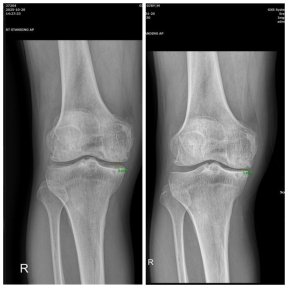
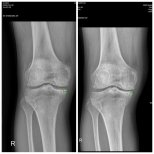
Efekty przed i po terapii komórkami macierzystymi kolana w samsungbalance clinic
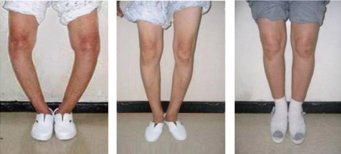
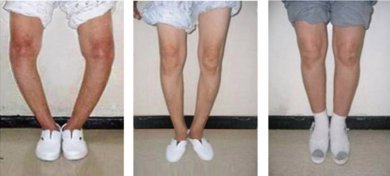
Efekty przed i po ortezach nóg w samsungbalance clinic – poprawa osi nóg
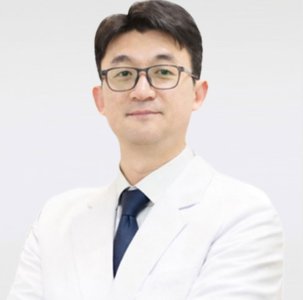
Nageonyoub

Nageonyoub

21 lat doświadczenia
Lokalizacja: Republika Korei, Seul
Wizyta u lekarzaCena na zapytanie
Klinik für Wirbelsäule und Gelenke Leadheal
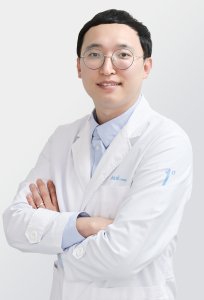
Woo Kyung Kwak

Woo Kyung Kwak

9 lat doświadczenia
Lokalizacja: Republika Korei, Seul

Dr. Woo Kyung Kwak is an orthopedic surgeon. He specializes in minimally invasive foot and ankle surgery (MICA for hallux valgus). He also treats sports injuries and performs total knee arthroplasty, as well as advanced shoulder and knee arthroscopy.

He earned his MD and MS at Chonnam National University. He completed a fellowship at Chonnam National University Hospital. He served as Chief of Orthopedic Surgery at the Armed Forces Daejeon Hospital. He was a senior committee member of the Medical Investigation Committee at the Ministry of National Defense.

He is a full member of the Korean Orthopaedic, Arthroscopy, Knee, Foot and Ankle, Sports Medicine, and Fracture societies. He is a lifetime member of the Korean Shoulder and Elbow Society. He reviews for Springer Nature journals. He completed Arthrex advanced training, the AO Trauma course, TPI therapy certification, and the FIFA Diploma in Football Medicine.

Cena pakietu od$200
Klinik für Wirbelsäule und Gelenke Leadheal
Jang Hyo Kim

Jang Hyo Kim

36 lat doświadczenia
Lokalizacja: Republika Korei, Seul

Dr. Jang Hyo Kim is an orthopedic surgeon focused on joint preservation and complex reconstruction. He specializes in arthroscopy of the shoulder, knee, ankle, elbow, and wrist. He performs joint replacement of the shoulder, knee, ankle, elbow, and hip. His spine work includes cervical and lumbar instrumentation and fusion. He also performs discectomy, laminectomy, neuroplasty, and vertebroplasty. His practice includes fracture care and muscle and ligament repair.

He is an Adjunct Professor at Kyung Hee University. He serves as Director of the Joint Center at Very Good Hospital. He previously served as chief or director at Yeonggwang General, Songjeong Sarang, Sewoori–Daejeon, Seoul Welfare, and The Barun hospitals. He was an advisory member of the Gwangju–Jeonnam Workers’ Compensation Board. He is a full member of the Korean Orthopaedic Association (KOA) and the Korean Societies of Arthroscopy, Knee, Sports Medicine, Hip, Pain, and Obesity. He holds TPI therapy certification. He completed an Ilizarov fellowship in Kurgan, Russia. He also completed training in shoulder arthroscopy.

Cena pakietu od$200
samsungbalance clinic
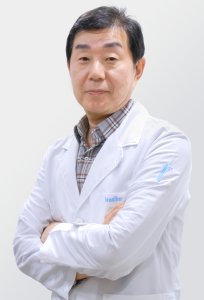
Parkyoungsoo

Parkyoungsoo

23 lat doświadczenia
Lokalizacja: Republika Korei, Seul
Wizyta u lekarzaCena na zapytanie
Nanoori Hospital
Seongcheol Moon

Seongcheol Moon

18 lat doświadczenia
Akredytacje
Korean Institute for Healthcare Accreditation
Lokalizacja: Republika Korei, Seul

Ordynator Oddziału Chirurgii Ortopedycznej w Szpitalu Nanoori. Specjalizuje się w zabiegach stawu kolanowego i barkowego oraz prowadzi szeroko zakrojone badania w dziedzinie medycyny sportowej.

  • Posiada certyfikat specjalisty w dziedzinie chirurgii ortopedycznej i ponad dziesięcioletnie doświadczenie zawodowe.
  • Opublikował liczne badania dotyczące urazów kolana oraz technik rehabilitacji.
  • Jest członkiem Koreańskiego Towarzystwa Kolana oraz Koreańskiego Towarzystwa Ortopedycznego Medycyny Sportowej.
  • Szkolił się w zakresie zaawansowanych technik w Szpitalu Uniwersyteckim Kyung Hee.
Cena pakietu od$7,000
Nanoori Hospital
Kwangyeal Lee

Kwangyeal Lee

32 lat doświadczenia
Akredytacje
Korean Institute for Healthcare Accreditation
Lokalizacja: Republika Korei, Seul

Dr Kwangyeal Lee specjalizuje się w chirurgii artroskopowej kolana. Posiada bogate doświadczenie w leczeniu urazów sportowych oraz schorzeń stawów w Szpitalu Nanoori.

  • Certyfikowany chirurg ortopeda od 1994 roku
  • Członek Koreańskiego Towarzystwa Kolana oraz Azjatycko-Pacyficznego Towarzystwa Ortopedycznego
  • Autor publikacji naukowych na temat schorzeń stawów i medycyny sportowej
  • Były ordynator oddziału w Centrum Stawów w Szpitalu Sun
Cena pakietu od$7,000

Wybór kliniki za granicą może być trudny. Zespół Bookimed pomógł już ponad 800 tysiącom pacjentów i rozumie wasze obawy. Wiemy, jak znaleźć wiarygodnych lekarzy, opcje z najlepszym stosunkiem ceny do jakości oraz rozwiązania nawet dla skomplikowanych przypadków. Jesteśmy gotowi wspierać was na każdym etapie tej podróży.

Yan Matsiievskyi

Kierownik zespołu lekarzy-koordynatorów

Ponad 4300+ przebytych ścieżek pacjentów z naszym wsparciem

3 lat doświadczenia w Bookimed

60 pacjentów z South Korea znalazło swojego lekarza przez nas w tym miesiącu

Jak znajdziesz idealnego lekarza

1

2-minutowy test

Powiedz nam o swoim celu, budżecie i terminie

2

Dopasowanie przez człowieka + AI

Nasz algorytm znajduje dopasowania, koordynator weryfikuje trafność

3

Twoje propozycje gotowe

Porównaj ceny, pakiety, terminy. Porozmawiaj z koordynatorem

Przytłacza Cię wybór?

Twój osobisty Koordynator Bookimed pomaga znaleźć idealnego chirurga dopasowanego do Twoich potrzeb

  • Wsparcie 24/7 na każdym etapie
  • Pomaga dopasować lekarza i zajmuje się całą komunikacją z klinikami
  • Organizuje podróż, zakwaterowanie i transfery

Prowadzi Twój proces leczenia

Wykształceni medycznie osobisti koordynatorzy

Peguy Beaugris
Tetyana Hyrych
Zekra Eldeeb
Victoria Olayinka
Iryna Sydorchuk
Tetiana Ihnatiuk

Jak prawidłowo wybrać lekarza i klinikę: rekomendacje ekspertów

Wybierając lekarza lub klinikę, proszę pamiętać o tych kluczowych aspektach:
Proszę sprawdzić kwalifikacje
Proszę upewnić się, że istnieją certyfikaty od takich organizacji, jak ISAPS, JCI itp.
Proszę dowiedzieć się o skuteczności procedur
Proszę wybierać lekarzy z dużym doświadczeniem w potrzebnej Państwu dziedzinie.
Proszę przeczytać opinie pacjentów
Proszę zapoznać się z opiniami od prawdziwych pacjentów na stronie Bookimed, aby poznać ich doświadczenia z pierwszej ręki.
Proszę upewnić się, że możliwa jest skuteczna komunikacja
Proszę wybierać kliniki, które zapewniają usługi tłumacza, aby wizyta przebiegła maksymalnie komfortowo.
Proszę zapytać o dostępne usługi
Proszę sprawdzić, czy cena obejmuje takie usługi jak zakwaterowanie, lokalne transfery oraz opiekę po zabiegu, aby uniknąć ukrytych kosztów.

Bookimed Insights: Najlepsi specjaliści od pęknięcia łąkotki w Republice Korei ()

Bookimed skoordynował 2 zapytań dotyczących leczenia w Republice Korei, współpracując z 6 specjalistami. Lekarze w tej tabeli są wybierani na podstawie międzynarodowych kwalifikacji, doświadczenia klinicznego i wyników leczenia. Ranking za 2026 powstał w oparciu o zweryfikowane dane z rzeczywistych przypadków pacjentów i aktualne programy naszych partnerskich klinik.
MiejsceLekarzdoświadczenieOdpowiedni dlaCzym się wyróżniająKlinika i lokalizacjaKonsultacja
#118 lat doświadczeniaZłożone urazy kolanaSpecjalizuje się w operacjach stawu kolanowego i jest autorem prac badawczych na temat technik rehabilitacji. Kieruje oddziałem chirurgii ortopedycznej w szpitalu Nanoori.
Republika Korei
Cena na zapytanie
#232 lat doświadczeniaSportowe urazy kolanaSpecjalizuje się w zabiegach artroskopowych, koncentrując swoją działalność badawczą na medycynie sportowej. Jest aktywnym członkiem wielu towarzystw ortopedycznych i posiada doświadczenie na stanowiskach kierowniczych.
Republika Korei
Cena na zapytanie

FAQ

To pytania od prawdziwych pacjentów poszukujących pomocy medycznej przez Bookimed. Odpowiedzi udzielają doświadczeni lekarze-koordynatorzy oraz oficjalni przedstawiciele klinik.

What qualifications should I look for in a Korean meniscus tear specialist?

Look for board-certified orthopedic surgeons who hold memberships in the Korean Knee Society and the Korean Arthroscopy Society. These specialists must complete a four-year residency and often hold fellowships in sports medicine or joint surgery to master minimally invasive meniscus repair techniques.

  • Board certification. Doctors must be recognized as specialists by the Korean Ministry of Health and Welfare.
  • Specialized memberships. Membership in the Korean Arthroscopy Society indicates a focus on modern, muscle-sparing techniques.
  • Clinical experience. Top specialists like Dr. Seong Hyun Kim have over 30+ years of clinical experience.
  • Research background. Published researchers like Dr. Seongcheol Moon contribute to global studies on knee recovery.

Bookimed Expert Insight: Data shows that top Korean specialists often hold leadership roles across multiple facilities. For example, Dr. Kwangyeal Lee and Dr. Lee Kyung Hoon have both served as directors or department heads at various specialized orthopedic centers. This mobility suggests their surgical expertise is highly sought after by major hospitals in Seoul and Incheon.

Patient Consensus: Patients recommend asking surgeons about their specific ratio of meniscus repairs versus removals. They suggest bringing your own MRI scans to the first consultation to save time and avoid repeat imaging. Many travelers felt more confident after verifying that their surgeon focus specifically on sports-related trauma and arthroscopic procedures.

How experienced are Korean doctors at meniscus repair compared with removal?

South Korean orthopedic surgeons perform meniscus procedures at high volumes, with meniscectomy remaining the primary standard. Specialists increasingly use meniscus repair for complex root tears or younger patients. Doctors like Dr. Kwangyeal Lee at Nanoori Hospital specialize in these arthroscopic techniques to preserve joint function.

  • Surgical specialization. Many board-certified surgeons like Dr. Seong Hyun Kim have 30+ years of experience.
  • Research-backed care. Dr. Seongcheol Moon has published 10+ studies on joint recovery and shoulder-knee trauma.
  • Minimally invasive focus. Dr. Yang Young Joon at Na-Eun Hospital focuses on arthroscopy and joint disorders.
  • Society memberships. Top doctors maintain active status in the Korean Knee Society for updated protocols.

Bookimed Expert Insight: While meniscectomy is common, doctors like Dr. Yang Young Joon at Na-Eun Hospital and Dr. Kwangyeal Lee at Nanoori Hospital often hold dual memberships in the Korean Knee Society and Korean Arthroscopy Society. This combination suggests a focus on joint preservation rather than just tissue removal.

Patient Consensus: Patients often notice that surgeons move quickly with meniscectomies, allowing some to walk the same day. Those undergoing repair find the process more selective, as doctors often evaluate tissue quality during surgery.

Do Korean meniscus tear surgeons speak English and how do I arrange a consultation?

Meniscus tear surgeons in the Republic of Korea often speak English, especially at facilities like Nanoori Hospital or Na-Eun Hospital. These specialists frequently hold memberships in international groups like the Asia-Pacific Orthopedic Association. Bookimed manages all doctor communication, appointment scheduling, and logistics to remove language barriers during your treatment.

  • International credentials. Dr. Kwangyeal Lee at Nanoori Hospital is a member of the Asia-Pacific Orthopedic Association.
  • Academic expertise. Dr. Seongcheol Moon has published 10+ research articles in American medical journals.
  • Leadership roles. Dr. Yang Young Joon serves as the director of the Joint Center at Na-Eun Hospital.
  • Broad experience. Dr. Seong Hyun Kim brings 30+ years of experience to complex musculoskeletal cases.

Bookimed Expert Insight: Patients can find specialized expertise by looking for surgeons with specific department leadership. For example, Dr. Seongcheol Moon chairs the Orthopaedic Surgery department at Nanoori Hospital, which suggests deep experience in managing complex department protocols for knee recoveries. This leadership often correlates with access to the latest arthroscopic techniques and highly coordinated surgical teams.

Patient Consensus: Patients find that larger hospitals in Seoul provide English-speaking coordinators who help with pre-surgery logistics. Having your MRI and medical reports translated into English before arrived helps the surgeon understand your injury history immediately. Some travelers noticed that responses to English emails can take several days, so planning your trip well in advance is helpful.

How much does a consultation and second opinion from a Korean meniscus specialist cost for foreign patients?

A consultation with a Korean meniscus specialist typically starts from around Cena na zapytanie to Cena na zapytanie. Specialists like Dr. Kwangyeal Lee at Nanoori Hospital provide expert evaluations, drawing on board certification and decades of experience in arthroscopic knee surgery to offer precise diagnoses.

  • Specialist consultation. Typical fees for orthopedic experts range from Cena na zapytanie up to Cena na zapytanie.
  • Diagnostic review. Experts like Dr. Seongcheol Moon analyze previous imaging to provide second opinions.
  • Online accessibility. Some specialists at Nanoori Hospital offer online consultations for international patient convenience.
  • Clinical accreditation. Leading centers often hold Korean Institute for Healthcare Accreditation (KOIHA) certification for safety.

Bookimed Expert Insight: While base consultation fees are competitive, patients should prepare for diagnostic variations. Doctors like Dr. Seong Hyun Kim have 30+ years of experience, often leading to more efficient physical evaluations. At centers like Nanoori Hospital, chairman-level experts oversee orthopedic departments, ensuring your second opinion carries significant clinical weight.

Patient Consensus: Patients often find that initial orthopedic visits in Seoul are quite affordable compared to Western prices. Many travelers suggest keeping a buffer for additional imaging tests that specialists may request during the appointment.

What is the typical credential path of a top Korean meniscus tear surgeon who treats medical tourists?

Top Korean meniscus surgeons complete a rigorous 11–year training path, including medical school, a rotating internship, and a 4–year orthopedic surgery residency. These specialists typically hold board certification and pursue subspecialty fellowships in knee arthroscopy at major university hospitals to master minimally invasive techniques.

  • Board certification. Surgeons must pass national exams after a 4–year residency in orthopedic surgery.
  • Fellowship training. Experts like Dr. Yang Young Joon complete specialized training in minimally invasive knee procedures.
  • Academic credentials. Leading specialists often hold a PhD, such as those from Korea University College of Medicine.
  • Professional memberships. Top doctors join the Korean Knee Society and the Asia-Pacific Orthopedic Association.

Bookimed Expert Insight: Surgeons who treat international patients often balance local clinical leadership with research–backed expertise. For example, Dr. Seongcheol Moon and Dr. Kwangyeal Lee at Nanoori Hospital have published 10+ peer-reviewed studies on joint recovery, which demonstrates they use techniques proven to work, not just experience.

Patient Consensus: Patients value surgeons with over 20 years of experience who have trained at international orthopedic centers. Those who traveled to Seoul noted that having an English–speaking team made the recovery process much smoother.

Can mobile MRI scans be reviewed in advance by Korean surgeons, and do they require additional tests before consulting?

Korean orthopedic surgeons can review mobile MRI scans before your arrival, provided they are in DICOM format. Specialists often require additional weight-bearing X-rays or ultrasound tests once you arrive to assess the functional stability of the knee joint.

  • DICOM format requirement. Doctors prefer digital DICOM files over printed reports for more accurate meniscus tear diagnosis.
  • Additional diagnostic imaging. Surgeons like Dr. Yang Young Joon may order ultrasound to verify meniscus tissue health.
  • Weight-bearing X-rays. Specialist clinics often perform standing X-rays to see how the joint moves under pressure.
  • Valid scan timeline. Surgeons typically accept external scans only if they were taken within the last six months.

Bookimed Expert Insight: While most clinics allow digital reviews, doctors like Dr. Kwangyeal Lee at Nanoori Hospital provide online consultations. These sessions help clarify if a repeat MRI is necessary due to scan quality before you travel to Seoul or Incheon.

Patient Consensus: Patients found that sending high-quality digital files prevented diagnostic delays. Many were surprised by the speed of local testing, often completing mandatory blood work and X-rays on the same day as their first consultation.

Are Korean meniscus tear surgeons familiar with biologic augmentation (PRP, stem cells, collagen scaffold) and do they commonly offer these adjuncts to foreign patients?

South Korean surgeons are highly familiar with biologic augmentation, frequently using PRP and stem cells to boost meniscus healing. Most specialized clinics in Seoul and Incheon offer these adjuncts to international patients, often combining them with arthroscopic repairs to improve long-term results.

  • Specialized credentials. Many surgeons, like Dr. Kwangyeal Lee, belong to the Korean Knee Society.
  • Research-backed methods. Specialists like Dr. Seongcheol Moon publish studies on recovery and advanced repair.
  • Strategic leadership. Leaders like Dr. Yang Young Joon head dedicated joint centers in Incheon hospitals.
  • Broad expertise. Senior specialists like Dr. Seong Hyun Kim offer 30+ years of musculoskeletal experience.

Bookimed Expert Insight: While biologic options like PRP are common, the best outcomes often come from surgeons with leadership roles in joint-specific societies. At Nanoori Hospital and Na-Eun Hospital, directors often participate in international research, ensuring their biologic protocols match global standards for complex sports injuries.

Patient Consensus: Patients receiving treatment in Seoul clinics noticed that PRP is often suggested as a standard way to speed up recovery after surgery. Others mentioned that while stem cell therapy is available for complex tears, it usually requires a specific request and extra fees.